How To Stay Safe During Conflict: 5 Essential Steps
Protect Yourself and Your Loved Ones from the Unpredictability of War Zones
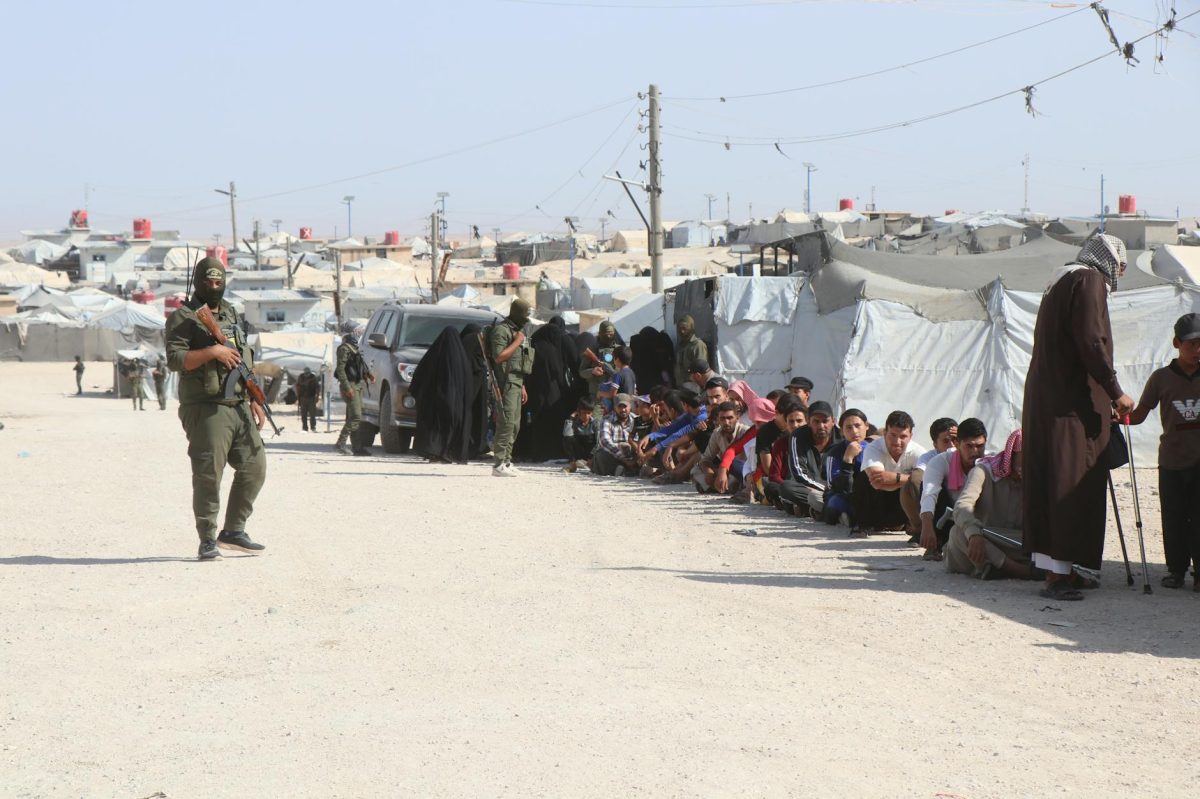
Conflict zones can be unpredictable and volatile, making it essential to take proactive steps to ensure your safety. Whether you're a traveler, a resident, or someone who frequently visits areas prone to conflict, knowing how to stay safe can be a lifesaver. In this guide, we'll walk you through 5 essential steps to help you protect yourself and your loved ones during conflict.
Step 1: **Identify** Potential Conflict Areas
Use online resources such as the U.S. Department of State's Travel Advisory website or the British Foreign and Commonwealth Office's Travel Advice website to identify areas prone to conflict. These websites provide up-to-date information on safety and security concerns in various countries and regions. Additionally, consider using a mobile app like SafeTraveler or War Zone Watch to receive real-time alerts and updates on conflict zones.
Step 2: **Create** a Safety Plan
Develop a comprehensive safety plan that includes evacuation routes, emergency contact numbers, and safe meeting points. Make sure to communicate your plan with your loved ones, including children and elderly family members. Consider designating a meeting point outside the conflict zone where you can reunite if you get separated.
Step 3: **Stay** Informed
Stay up-to-date with local news, government advisories, and social media to stay informed about the situation on the ground. Use trusted sources like BBC News or Al Jazeera to get accurate and unbiased information. Consider using a news aggregator app like Apple News or Google News to stay informed on-the-go.
Step 4: **Build** a Support Network
Surround yourself with people who can provide emotional and practical support during times of conflict. Join online communities or forums where you can connect with others who have experienced similar situations. Consider reaching out to local authorities or community leaders for advice and guidance.
Step 5: **Prepare** an Emergency Kit
Assemble an emergency kit that includes essential items such as food, water, first aid supplies, and a battery-powered radio. Make sure to check your kit regularly to ensure it remains up-to-date and stocked with the necessary items. Consider storing your kit in a safe location outside your home or workplace.
Many people overlook the importance of mental health during conflict. Make sure to prioritize self-care and seek professional help if you're experiencing anxiety, depression, or trauma-related symptoms.
By following these 5 essential steps, you'll be better equipped to stay safe during conflict. Remember to prioritize your safety and the safety of your loved ones, and don't hesitate to seek help when you need it. Stay vigilant, stay informed, and stay safe.