How To Protect Yourself from Police Brutality at Protests in 2026
Learn the essential steps to stay safe during demonstrations and court proceedings
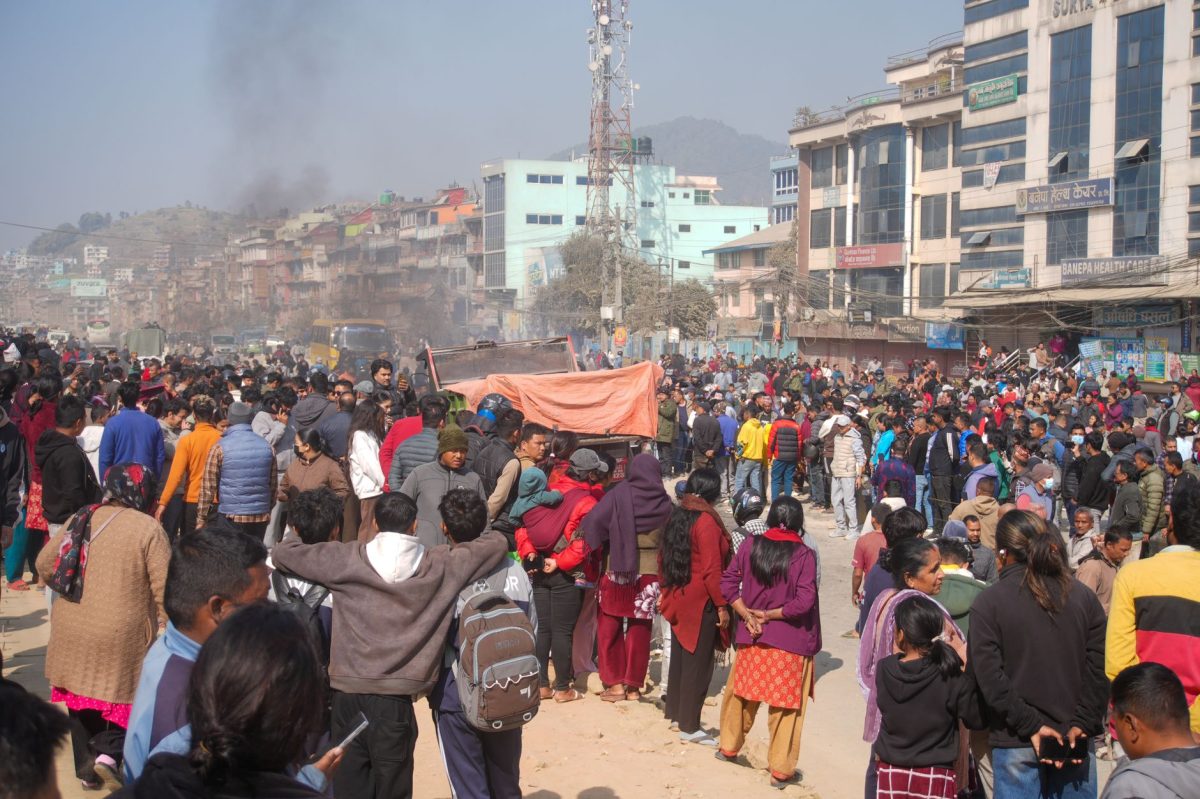
As protests and demonstrations become more frequent, it's crucial to know how to protect yourself from potential harm. Police brutality cases, like the recent incident in Berlin, highlight the need for awareness and preparedness. In this guide, you'll learn the 5 essential steps to stay safe during protests and court proceedings.
Step 1: **Research** the Event and Venue
Before attending a protest or demonstration, research the event and venue to ensure your safety. Check the police presence, crowd estimates, and any specific rules or regulations. Use online tools like Eventbrite or Meetup to gather information about the event. You can also review local news and social media to stay informed about potential security concerns.
Step 2: **Plan Your Safety**
Develop a safety plan before heading to the protest or demonstration. Identify safe zones, escape routes, and emergency contact numbers. Consider carrying a whistle or other signaling device to alert others in case of an emergency. Make sure to let a friend or family member know your whereabouts and expected return time.
Step 3: **Stay Informed** about Your Rights
Familiarize yourself with your rights as a protester, including the right to free speech and assembly. Learn about the laws and regulations surrounding protests in your area, such as permits and noise restrictions. The American Civil Liberties Union (ACLU) and other human rights organizations provide valuable resources and guidance on protest safety and your rights.
Step 4: **Stay Aware of Your Surroundings**
Maintain situational awareness at all times during the protest or demonstration. Be mindful of your surroundings, including the police presence, crowd density, and potential hazards. Keep an eye on your belongings and avoid distractions, such as using your phone in crowded areas. Consider wearing a hat or other item to help you blend in and avoid drawing attention to yourself.
Step 5: **Know When to Leave**
Trust your instincts and know when to leave a protest or demonstration if you feel uncomfortable or sense a potential threat. If the situation becomes too intense or you feel threatened, don't hesitate to exit the area. Remember that your safety is the top priority, and it's always better to err on the side of caution.
Consider taking a self-defense class to learn essential skills for protecting yourself in a potentially volatile situation.
By following these 5 essential steps, you'll be better equipped to protect yourself during protests and court proceedings. Stay informed, plan for your safety, and trust your instincts to ensure a safe and successful experience. Next, familiarize yourself with local laws and regulations surrounding protests in your area.