How To Master Chess Puzzles: Improve Your Problem-Solving Skills in 7 Steps
Unlock the secrets of chess puzzles and become a better strategic thinker with our expert guide
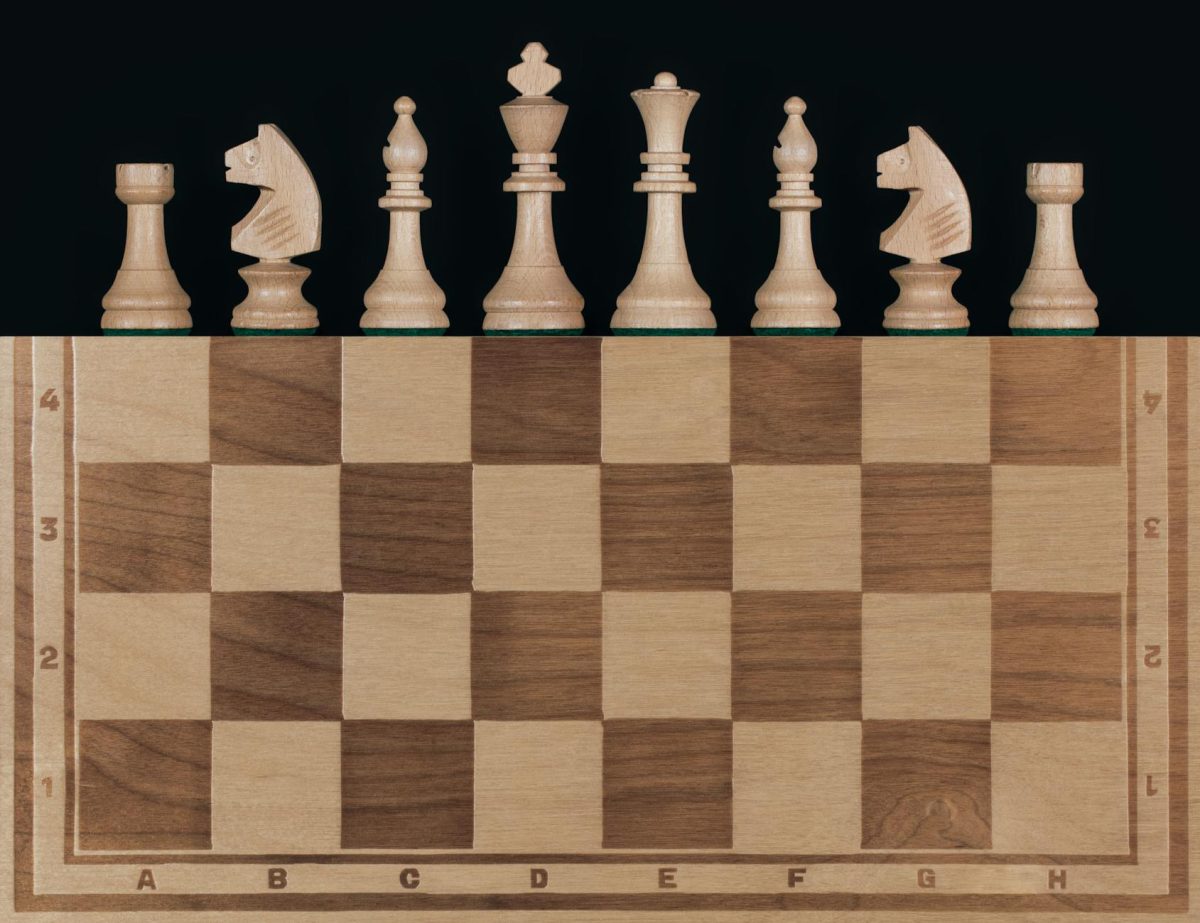
Are you looking for a fun and challenging way to improve your problem-solving skills? Chess puzzles are taking over the internet, and for good reason. By following our 7-step guide, you'll learn how to master chess puzzles and become a better strategic thinker in just a few weeks.
Step 1: **Understand** the Basics of Chess Puzzles
Before you start solving chess puzzles, it's essential to understand the basics of the game. Chess puzzles typically involve a diagram of a chess board with pieces in a specific position, and you need to make the next move to checkmate your opponent. You can find plenty of resources online, including websites like Lichess and Chess.com, that offer interactive puzzles and explanations of the rules. Spend at least 30 minutes learning the basics of chess before moving on to the next step.
Step 2: **Choose** the Right Resources
With so many online resources available, it can be overwhelming to choose the right ones. Look for websites and apps that offer high-quality puzzles with clear explanations and interactive tools. Some popular options include Chess.com's Puzzle of the Day, Lichess's Puzzle Mode, and ChessTempo's Puzzle of the Day. Experiment with different resources to find the ones that suit your learning style and skill level.
Step 3: **Practice** Regularly
The key to improving your problem-solving skills is to practice regularly. Set aside at least 15 minutes each day to solve chess puzzles. Start with easier puzzles and gradually move on to more challenging ones. Use a timer to track your progress and challenge yourself to solve puzzles within a certain time limit.
Step 4: **Focus** on Strategic Thinking
While solving chess puzzles is an excellent way to improve your problem-solving skills, it's essential to focus on strategic thinking. Pay attention to the pieces on the board, think about the potential moves, and consider the long-term consequences of your actions. As you practice, you'll develop your strategic thinking skills and become a better chess player.
Step 5: **Use** Analytical Tools
To improve your problem-solving skills, it's essential to use analytical tools. Look for resources that offer interactive analysis of your moves, such as Chess.com's Analysis Tool or Lichess's Analysis Mode. These tools will help you identify areas for improvement and develop a deeper understanding of the game.
Step 6: **Join** a Community
Joining a community of chess enthusiasts can be a great way to improve your skills and stay motivated. Look for online forums, social media groups, or local chess clubs where you can connect with other players and learn from their experiences. Share your own experiences and ask for feedback to improve your game.
Step 7: **Set** Goals and Track Progress
To stay motivated and track your progress, set specific goals for yourself. Identify areas where you need improvement and create a plan to address them. Use a journal or spreadsheet to track your progress and celebrate your successes. As you improve your problem-solving skills, you'll become a better strategic thinker and a more confident chess player.
One expert insight most people overlook is that chess puzzles are not just about solving the puzzle, but also about learning from your mistakes. Pay attention to your errors and use them as an opportunity to learn and improve.
By following our 7-step guide, you'll be well on your way to mastering chess puzzles and improving your problem-solving skills. Remember to practice regularly, focus on strategic thinking, and use analytical tools to track your progress. With dedication and persistence, you'll become a better strategic thinker and a more confident chess player.