How To Stay Safe During an Outbreak: 7 Essential Steps
Protect yourself and your loved ones from the risks of infectious diseases with these practical tips and expert advice

With the increasing threat of infectious diseases, it's essential to know how to stay safe and protect yourself and your loved ones. The recent Ebola outbreak in the DR Congo is a stark reminder of the importance of being prepared. In this guide, we'll walk you through the 7 essential steps to stay safe during an outbreak and take control of your health.
Step 1: **Stay Informed** about the Outbreak
Stay up-to-date with the latest news and information about the outbreak from reliable sources such as the World Health Organization (WHO) and the Centers for Disease Control and Prevention (CDC). Use online resources like Google News or apps like the WHO Alert app to receive real-time updates. This will enable you to make informed decisions about your health and safety.
Step 2: **Wash Your Hands** Frequently
Washing your hands is one of the most effective ways to prevent the spread of infectious diseases. Use soap and water for at least 20 seconds, and make sure to wash your hands after using the bathroom, before eating, and after blowing your nose, coughing or sneezing. You can also use hand sanitizer if soap and water are not available.
Step 3: **Practice Social Distancing**
Maintaining a safe distance from people who may be infected can help prevent the spread of disease. Try to stay at least 3 feet away from others, and avoid close contact with anyone who's sick. Use digital communication tools like video calls or messaging apps to stay in touch with friends and family instead of meeting in person.
Step 4: **Use Personal Protective Equipment (PPE)**
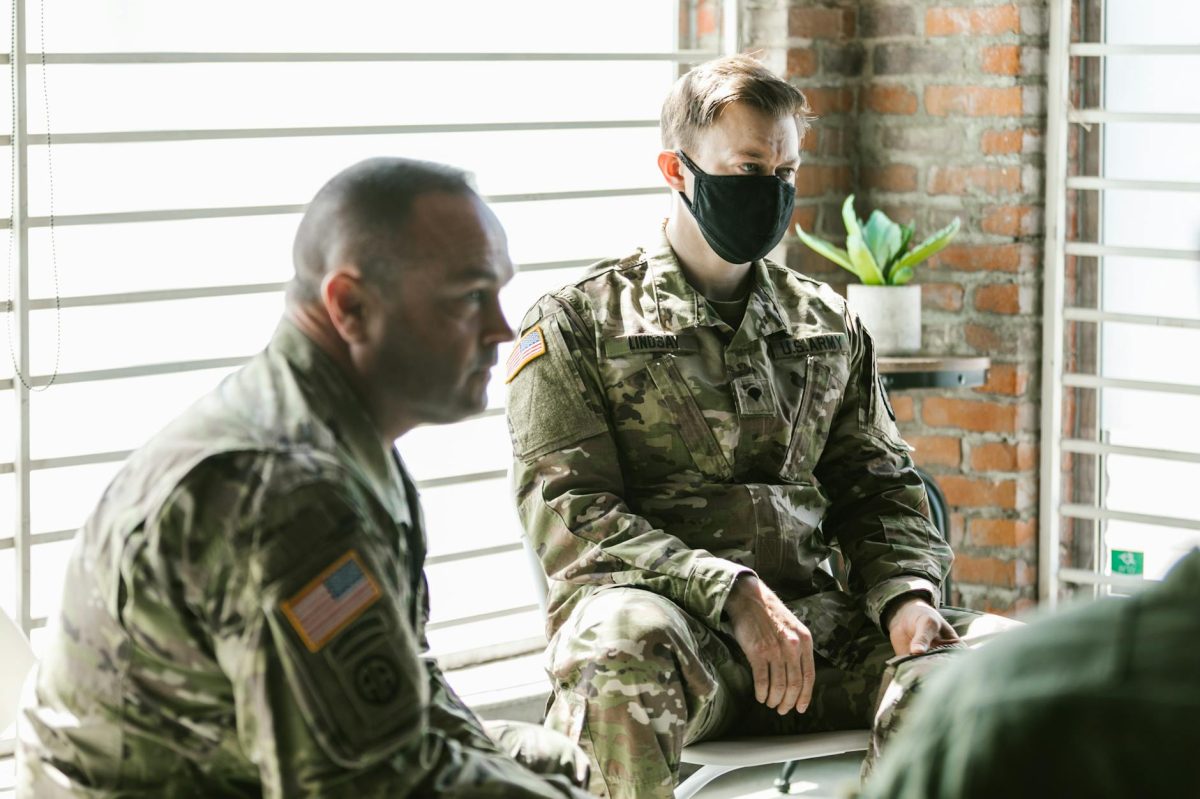
PPE such as masks, gloves, and eye protection can help prevent the transmission of infectious diseases. Use disposable masks when in public places, and consider wearing gloves when interacting with people or surfaces that may be contaminated.
Step 5: **Get Vaccinated**
Vaccines are an effective way to prevent the spread of infectious diseases. Stay up-to-date with recommended vaccinations, and consult with your doctor about any additional vaccinations you may need. You can also use online resources like the CDC's Vaccine Finder tool to find vaccination clinics near you.
Step 6: **Create a Emergency Kit**
Having a emergency kit can help you prepare for unexpected situations such as an outbreak. Stock up on essentials like food, water, and first aid supplies, and consider purchasing a portable water filter or purification tablets. You can also use online resources like the American Red Cross's Emergency Kit checklist to help you get started.
Step 7: **Plan for Business Continuity**
In the event of an outbreak, it's essential to have a plan in place for business continuity. This may include working from home, using remote communication tools, or implementing flexible work arrangements. You can also use online resources like the WHO's Business Continuity Plan toolkit to help you develop a plan that meets your specific needs.
Don't overlook the importance of mental health during an outbreak. Stay connected with loved ones, practice stress-reducing techniques like meditation or deep breathing, and seek professional help if you're experiencing anxiety or fear.
By following these 7 essential steps, you'll be better equipped to stay safe during an outbreak and protect yourself and your loved ones from the risks of infectious diseases. Remember to stay informed, practice good hygiene, and plan for business continuity to minimize the impact of an outbreak on your life.