How To Stay Safe During Conflict Zones in 7 Steps
Protect yourself from violence and chaos with these actionable tips and essential apps
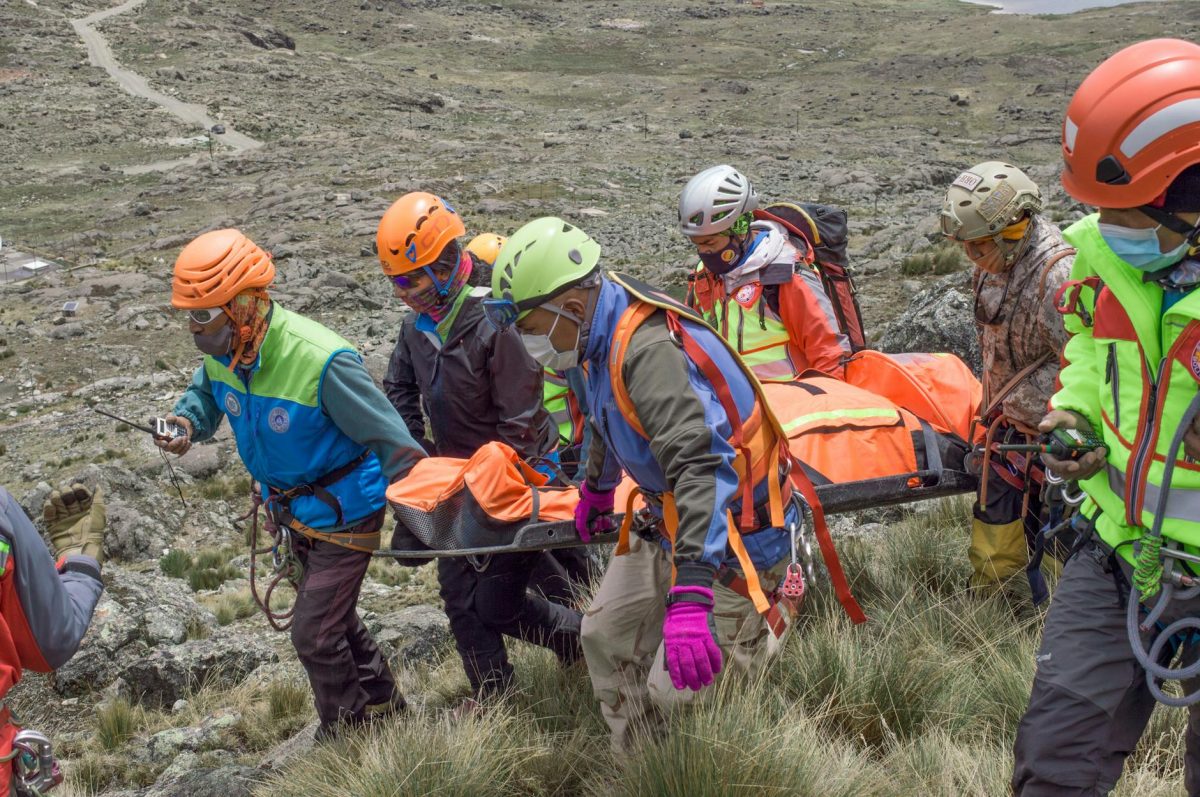
Conflicts like the one in Lebanon's Tyre province can be unpredictable and deadly. As a global citizen, it's essential to know how to stay safe during such situations. In this guide, you'll learn practical tips and essential apps to increase your chances of survival and well-being in conflict zones.
Step 1: **Understand the Conflict Zone**
Research the conflict zone and its current status. Check local news, government websites, and travel advisories from your country's embassy. This will help you understand the level of danger and potential risks involved. For example, check the U.S. Department of State's Travel Advisory website or the UK's Foreign and Commonwealth Office website for updates on the conflict zone.
Step 2: **Create a Safety Plan**
Develop a personalized safety plan based on the conflict zone's conditions. Identify safe zones, evacuation routes, and emergency contact numbers. Consider creating a safety buddy system or joining a local community group for support. You can use the Safety First app (iOS, Android) to create a personal safety plan and share it with loved ones.
Step 3: **Stay Informed with Reliable Sources**
Use trusted news sources, such as BBC News or Al Jazeera, to stay updated on the conflict's developments. Avoid sensationalized or biased reports that can spread misinformation. You can also follow local news outlets and government officials on social media to stay informed. For example, follow the Lebanese Red Cross on Twitter for updates on emergency services and shelters.
Step 4: **Prepare an Emergency Kit**
Assemble a portable emergency kit with essential items, such as water, non-perishable food, first aid supplies, and a battery-powered radio. Consider adding items specific to your needs, like medication or baby supplies. The American Red Cross offers a comprehensive emergency kit checklist on their website. You can also use the Emergency Kit app (iOS, Android) to create a digital checklist and track your kit's contents.
Step 5: **Stay Connected with Family and Friends**
Keep in regular contact with your loved ones back home through phone calls, texts, or video chats. Use social media to stay connected with family and friends in the conflict zone. Consider using messaging apps like WhatsApp or Signal to stay connected in areas with unreliable phone networks. Make sure to share your safety plan and emergency contact information with them.
Step 6: **Know Your Escape Routes**
Identify safe escape routes and evacuation procedures in case of an emergency. Research public transportation options, such as buses or trains, and consider keeping a backup plan for alternative modes of transportation. The World Health Organization (WHO) offers guidelines on safe evacuation procedures on their website. You can also use the Evacuation Map app (iOS, Android) to create a personalized escape plan.
Step 7: **Stay Calm and Adapt**
In the face of uncertainty, it's essential to stay calm and adapt to changing situations. Practice stress-reducing techniques like meditation or deep breathing. Stay flexible and prepared to adjust your safety plan as needed. The Crisis Text Line (text HOME to 741741 in the US) offers 24/7 support and guidance for individuals in crisis.
Consider taking a first aid or emergency response course to learn hands-on skills and stay prepared for unexpected situations. The American Red Cross offers a range of courses on their website, from basic first aid to disaster response training.
By following these 7 steps, you'll be better equipped to stay safe during conflicts like the one in Lebanon's Tyre province. Remember to stay informed, prepared, and adaptable. Stay safe and informed, and always prioritize your well-being in crisis situations.