How To Ensure Maritime Safety Amidst Global Tensions
Protect Your Ship or Business with These Essential Steps
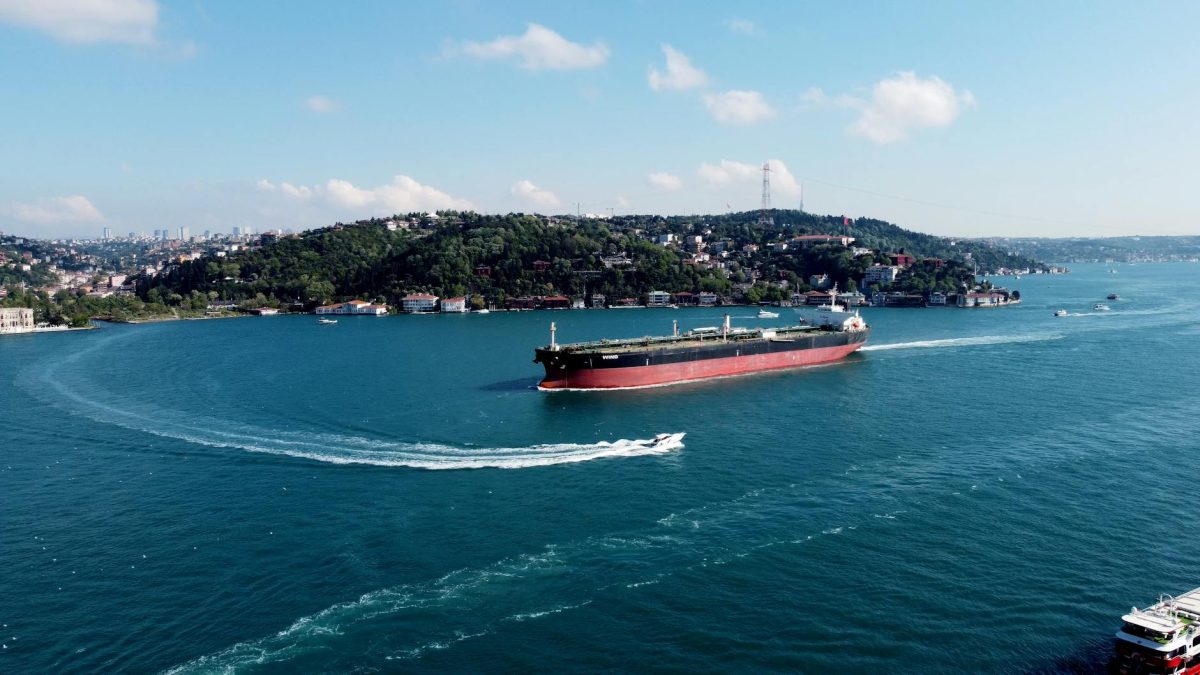
The Strait of Hormuz maritime event has highlighted the importance of maritime safety amidst global tensions. As a ship owner, captain, or business operator, it's essential to prioritize the security and safety of your vessel and crew. In this guide, you'll learn how to protect your ship and business with practical steps and expert insights.
Step 1: **Conduct a Risk Assessment**
Identify potential security threats, such as pirate attacks, terrorism, or natural disasters. Use tools like the International Maritime Organization (IMO) piracy database to research high-risk areas. Update your risk assessment document annually or after significant changes in global tensions. Allocate resources accordingly to mitigate identified risks.
Step 2: Develop a Crisis Management Plan
Create a comprehensive plan that outlines procedures for emergency situations, such as a pirate attack or a medical emergency. Include protocols for communication, evacuation, and emergency response. Designate a crisis management team and ensure all crew members are trained on the plan. Schedule regular drills to test the plan's effectiveness.
Step 3: Implement **Security Measures**
Install security equipment like cameras, alarms, and motion detectors to deter potential threats. Ensure all security personnel are trained in conflict resolution and first aid. Conduct regular security audits to identify vulnerabilities and implement necessary improvements. Invest in robust security software to monitor and analyze potential threats in real-time.
Step 4: Maintain **Strong Communication Channels**
Establish open communication channels with your crew, local authorities, and other stakeholders. Use secure communication apps like WhatsApp or Signal to maintain confidentiality. Schedule regular meetings to discuss security concerns and best practices. Encourage a culture of transparency and trust among crew members.
Step 5: Engage in **Regular Training and Drills**
Provide regular training sessions for crew members on security protocols, emergency procedures, and conflict resolution. Conduct drills to test the crew's response to potential threats. Involve local authorities and other stakeholders in the training process to ensure a coordinated response. Use simulation software to create realistic scenarios and improve crew preparedness.
Step 6: Stay **Informed and Up-to-Date**
Monitor global events, security updates, and maritime news to stay informed about potential threats. Use tools like the Global Maritime Piracy Report to research high-risk areas and trends. Allocate resources to attend security conferences, workshops, and seminars to stay updated on best practices and new technologies.
Step 7: Review and Update Your Plan
Regularly review and update your security plan to reflect changes in global tensions, new technologies, and best practices. Involve all stakeholders in the review process to ensure a coordinated response. Use a project management tool like Trello or Asana to track progress and assign tasks to team members.
Don't underestimate the importance of crew morale and well-being. Engage in regular activities that promote team bonding, stress reduction, and mental health awareness to maintain a high-performing crew.
By following these essential steps, you'll be better equipped to protect your ship, crew, and business in the face of global tensions. Remember to stay informed, adapt to changing circumstances, and prioritize crew safety and well-being. Take the first step today to ensure maritime safety and security for your organization.