How To Protect Fragile Artworks During Travel and Display
Expert Tips for Safeguarding Valuable Cultural Heritage Pieces, Inspired by the Bayeux Tapestry Loan
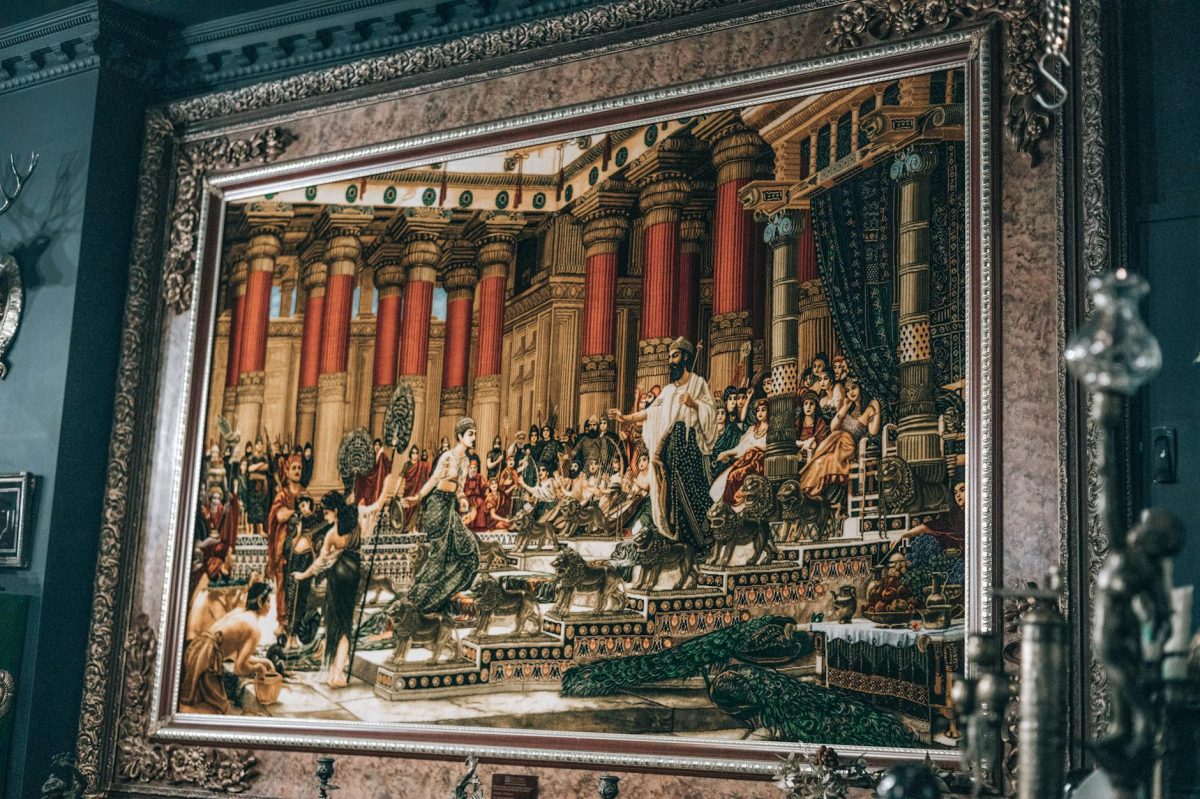
The loan of the Bayeux Tapestry to London has sparked debate about the fragility of cultural heritage pieces. As artworks are increasingly shared globally, it's crucial to know how to protect them during travel and display. In this guide, we'll share 7 practical tips on how to safeguard valuable cultural heritage pieces, ensuring their preservation for future generations.
Step 1: **Assess the Artwork's Fragility**
Before planning the travel and display of a fragile artwork, conduct a thorough assessment to identify potential risks. Consider factors such as the artwork's material, size, weight, and any existing damage or restoration work. This assessment will help you determine the necessary precautions and equipment needed for a safe journey. For example, consult the International Council of Museums (ICOM) guidelines for packing and transporting art.
Step 2: **Choose the Right Packing Materials**
Select packing materials that are specifically designed for art transportation, such as acid-free paper, foam inserts, and custom-cut boxes. These materials will help prevent damage from dust, moisture, and physical stress. Consider using a reputable art packaging company or investing in your own art packing supplies, such as those available on Amazon or ArtCare.com.
Step 3: **Select a Suitable Transport Method**
When transporting a fragile artwork, choose a method that minimizes movement and potential shocks. Consider hiring a professional art transportation service or using a sturdy vehicle with a secure storage area. For example, Art Logistics Group (ALG) offers specialized art transportation services, including air cargo and land transport.
Step 4: **Control the Environment During Display**
When displaying a fragile artwork, control the environment to prevent damage from temperature fluctuations, humidity, and light exposure. Use a climate-controlled display case or room, and maintain a stable temperature between 65°F and 75°F (18°C and 24°C). For example, the American Museum of Natural History uses a state-of-the-art climate control system to preserve their vast collection.
Step 5: **Monitor the Artwork's Condition Regularly**
Regularly inspect the artwork for signs of damage or deterioration, such as cracks, fading, or pest infestations. Use a camera or smartphone to document the artwork's condition before and after transportation and display. This will help you track any changes and make informed decisions about future conservation efforts. Consider using a condition reporting app like ArtConservation.org's Condition Monitoring Tool.
Step 6: **Implement Emergency Protocols**
Develop and implement emergency protocols for unexpected events, such as a power outage or natural disaster. Identify potential risks and create a response plan, including evacuation procedures and emergency contact information. For example, the Getty Conservation Institute offers emergency preparedness resources and guidance for museums and cultural institutions.
Step 7: **Document and Share Knowledge**
Document the artwork's history, conservation efforts, and any notable incidents or successes. Share this knowledge with colleagues, researchers, and the public through publications, exhibitions, and digital platforms. This will help promote best practices and ensure the long-term preservation of cultural heritage pieces. Consider contributing to online forums or blogs like Museum Studies or Art Conservation Today.
Consider collaborating with conservation experts, curators, or other stakeholders to develop a comprehensive conservation plan for the artwork. This will help ensure that all necessary precautions are taken and that the artwork is protected for future generations.
By following these 7 practical tips, you'll be better equipped to protect fragile artworks during travel and display. Remember to stay vigilant, document your efforts, and share your knowledge with others. By working together, we can safeguard cultural heritage pieces and ensure their preservation for generations to come.