How To Prepare For Food Shortages: 6 Essential Steps
Learn how to protect yourself and your loved ones from food scarcity with this comprehensive guide
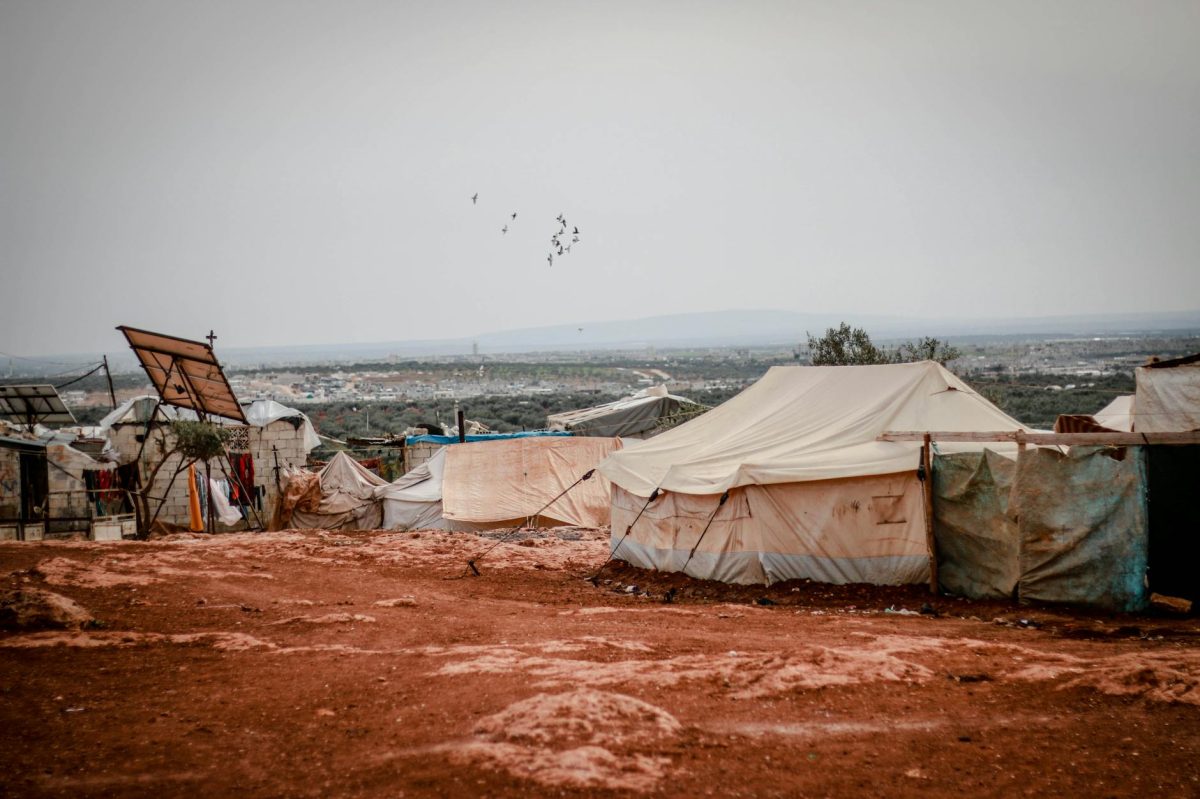
Food shortages can strike at any moment, leaving you and your family without access to basic necessities. In areas like Gaza's al-Mawasi refugee camp, the situation is dire. But with the right knowledge and preparation, you can protect yourself and your loved ones from food scarcity. This guide will walk you through the essential steps to take before a food shortage hits.
Step 1: **Assess Your Pantry**
Start by taking stock of the non-perishable food items in your pantry. Check expiration dates, and make a list of what you need to restock. Consider the dietary needs of your family, including any allergies or restrictions. Make a plan to prioritize your most essential food items, such as canned goods, dried legumes, and whole grains.
Step 2: **Build Your Food Storage Capacity**
Invest in airtight containers and food-grade storage bins to keep your food fresh and protected from pests. Consider adding a dehumidifier or a food storage cabinet to maintain a consistent temperature and humidity level. Research and purchase a water filtration system to ensure access to clean drinking water.
Step 3: **Develop a Food Rotation Plan**
To prevent spoilage and maintain a balanced diet, implement a food rotation plan. Move older items to the front of your pantry and use the first-in, first-out principle. Set reminders to check expiration dates and rotate your food stock every 3-6 months. Consider using a food storage app like FoodKeeper to track your inventory.
Step 4: **Grow Your Own Food**
If possible, start a garden or participate in a community garden to supplement your food supply. Consider vertical gardening or container gardening for space-saving options. Research the best crops for your climate and use permaculture principles to create a sustainable and self-sufficient food system.
Step 5: **Stock Up on Cooking Essentials**
Make sure you have a reliable cooking method, such as a camping stove or a portable grill. Stock up on cooking oil, salt, and spices. Consider purchasing a water heater or a solar oven for off-grid cooking options. Don't forget to store a manual can opener and a multi-tool for emergency situations.
Step 6: **Build a Support Network**
Connect with your community and build relationships with your neighbors. Form a food co-op or join a local buying club to share resources and knowledge. Attend workshops and seminars on food security and disaster preparedness to stay informed and up-to-date.
Consider investing in a food storage container with a built-in dehumidifier to maintain a consistent moisture level and prevent spoilage.
By following these 6 essential steps, you can protect yourself and your loved ones from food shortages and ensure a sustainable food supply. Remember to stay vigilant, adapt to changing circumstances, and build a support network to help you weather any food scarcity scenario.