How To Assess Energy Affordability in Your Area 2026
Stay informed about potential price changes and protect your wallet with our 5-step guide
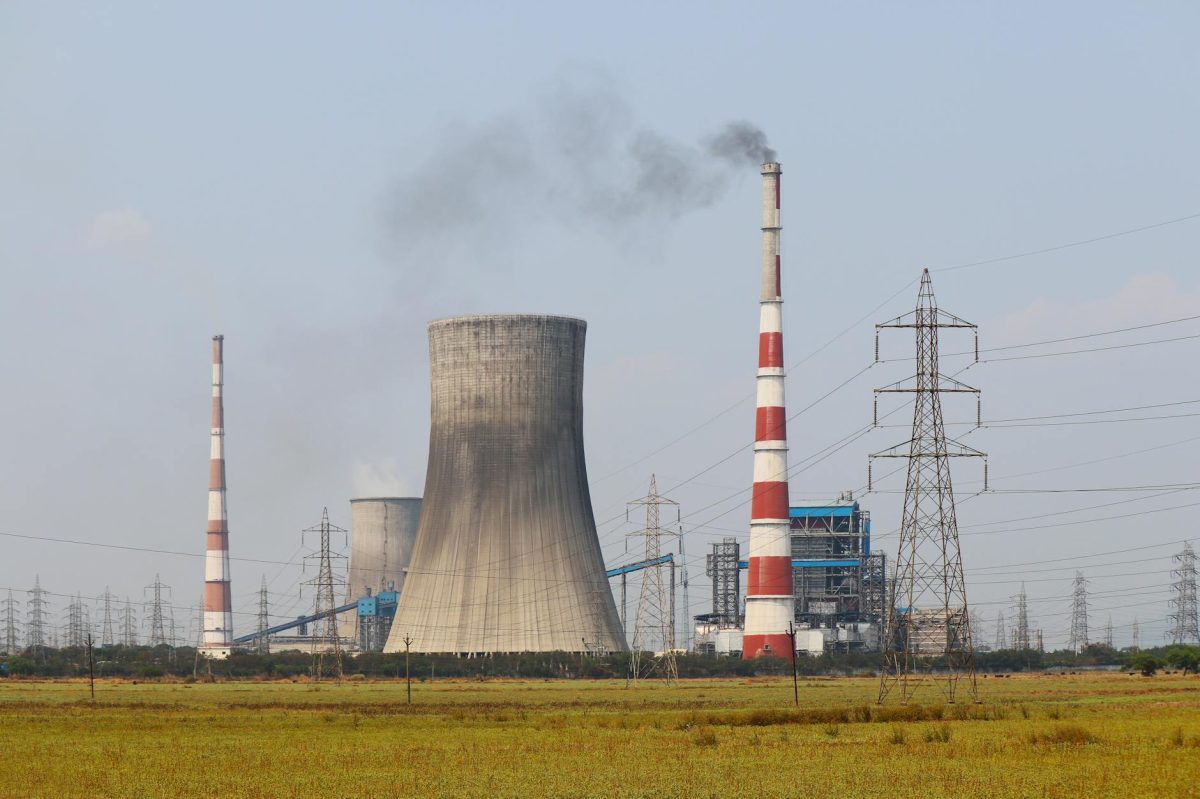
As the proposed $52 billion merger between NextEra Energy and Dominion Energy gains momentum, many are left wondering how it will affect their energy bills. Understanding your current energy costs and staying informed about potential price fluctuations can help you make informed decisions and protect your wallet. In this guide, we'll walk you through the 5 essential steps to assess energy affordability in your area.
Step 1: **Gather Your Energy Bills**
To assess your energy affordability, start by gathering your past 12 months' worth of energy bills. This will give you a clear picture of your energy consumption patterns and help you identify any anomalies. You can request electronic copies of your bills from your energy provider or log in to your online account to access them.
Step 2: Calculate Your Energy Consumption
Next, calculate your total energy consumption by adding up your monthly kWh usage. You can find this information on your energy bills or use online tools like the Energy Information Administration's (EIA) website, which provides detailed energy consumption data for your area.
Step 3: Research Local Energy Prices
Now, research local energy prices to understand how they compare to national averages. Websites like EnergySavvy and CompareElectricity allow you to compare energy plans and prices from various providers in your area. This will help you identify the best deals and stay informed about potential price changes.
Step 4: Evaluate Your Energy Provider's Reliability
Assess your energy provider's reliability by checking their past performance metrics, such as power outage frequency and duration. You can use online resources like the U.S. Energy Information Administration's (EIA) data to compare your provider's reliability with national averages.
Step 5: Create a Budget and Plan for Potential Price Increases
Finally, create a budget that takes into account potential price increases. Consider your energy consumption patterns, local energy prices, and your provider's reliability when determining how much to allocate for energy costs each month. This will help you stay ahead of the game and protect your wallet from unexpected price hikes.
Don't forget to negotiate with your energy provider to secure the best possible rates. Many providers offer special promotions or discounts for long-term contracts, so be sure to ask about these options when signing up.
By following these 5 steps, you'll be well-equipped to assess energy affordability in your area and stay informed about potential price changes. Remember to stay vigilant and adjust your budget accordingly to protect your wallet from unexpected price hikes. Next, consider exploring alternative energy options or shopping around for better deals to further reduce your energy costs.