How To Protect Human Rights During Global Conflicts
Stay informed and advocate for justice in the face of international crises
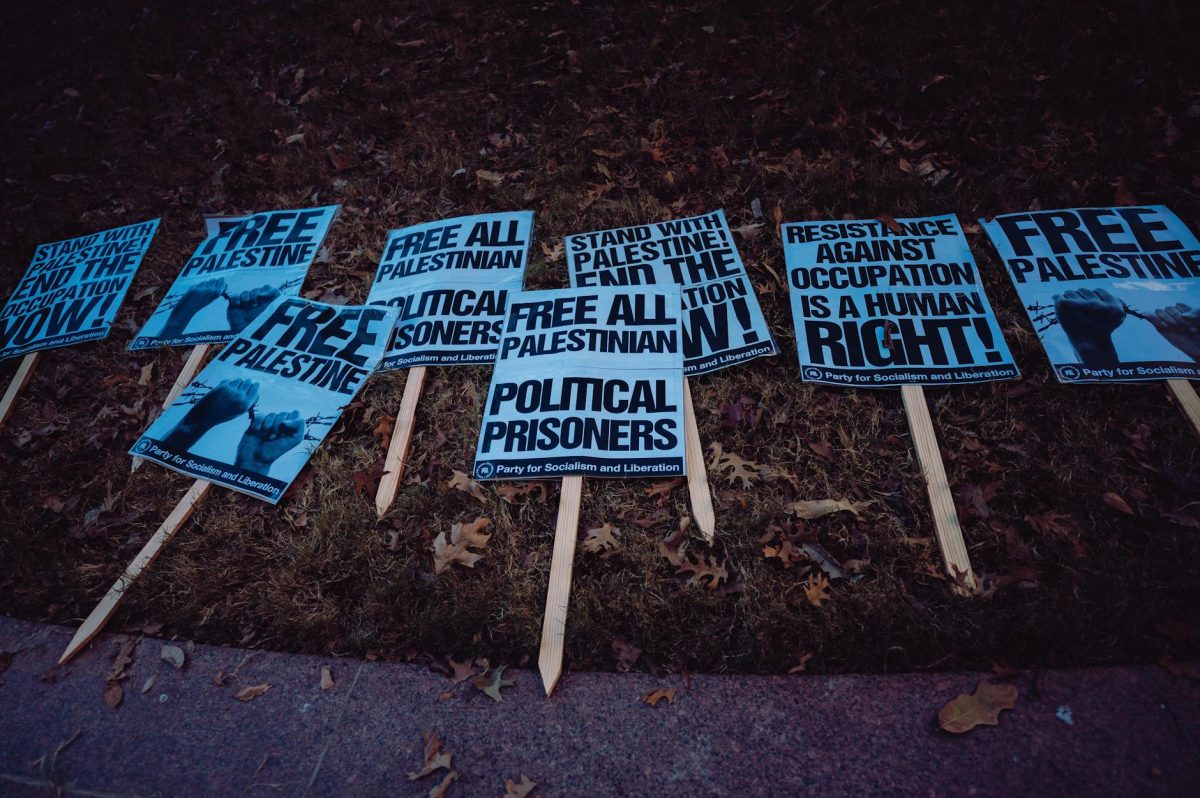
With the rise of global conflicts, it's more crucial than ever to understand how to protect human rights. By staying informed and taking action, you can make a difference in promoting justice and reducing harm. In this guide, you'll learn 5 practical steps to protect human rights during global conflicts, including how to verify information and advocate for justice.
Step 1: **Verify Information Sources**
When it comes to global conflicts, it's essential to verify information sources to avoid spreading misinformation. Use fact-checking websites like Snopes or FactCheck.org to confirm the accuracy of news reports. You can also follow reputable news organizations and human rights organizations on social media to stay informed. In just 30 minutes, you can verify information sources and stay up-to-date on the latest developments.
Step 2: **Understand International Law**
International law provides a framework for protecting human rights during global conflicts. Familiarize yourself with the Geneva Conventions and The Rome Statute to understand the principles and protections that apply. You can also consult online resources like Human Rights Watch or The International Committee of the Red Cross to learn more. Taking 1 hour to understand international law will give you a deeper understanding of the issues at hand.
Step 3: **Support Human Rights Organizations**
Supporting human rights organizations is a crucial step in promoting justice and protecting human rights. Research organizations like Amnesty International or Human Rights First and consider donating or volunteering your time. You can also use online platforms like GoFundMe to support crowdfunding campaigns for human rights causes. In just 1 hour, you can research and support human rights organizations.
Step 4: **Advocate for Justice**
Advocating for justice is a powerful way to promote human rights and protect vulnerable communities. Use social media to raise awareness about human rights issues and share information about organizations working on the ground. You can also write letters to your elected officials or sign petitions to demonstrate your support for human rights. Taking 1 hour to advocate for justice will make a difference in promoting accountability and change.
Step 5: **Stay Calibrated and Critical**
Finally, it's essential to stay calibrated and critical when evaluating information and advocating for justice. Avoid spreading misinformation and be cautious of emotional appeals. Use online resources like The National Institute of Mental Health to learn more about the psychological effects of trauma and stress. By staying calibrated and critical, you can maintain your emotional well-being and continue to advocate for justice.
Remember that protecting human rights is an ongoing process that requires patience, persistence, and dedication. Don't get discouraged if you can't make a difference immediately – every small action counts, and collective efforts can lead to significant positive change.
By following these 5 steps, you'll be well-equipped to protect human rights during global conflicts. Remember to stay informed, support human rights organizations, and advocate for justice. Take the next step today by verifying information sources and understanding international law. Together, we can promote justice and reduce harm.