How To Prepare For A Cyclone: 5 Essential Steps
Stay Safe and Informed with These Proven Tips and Tools
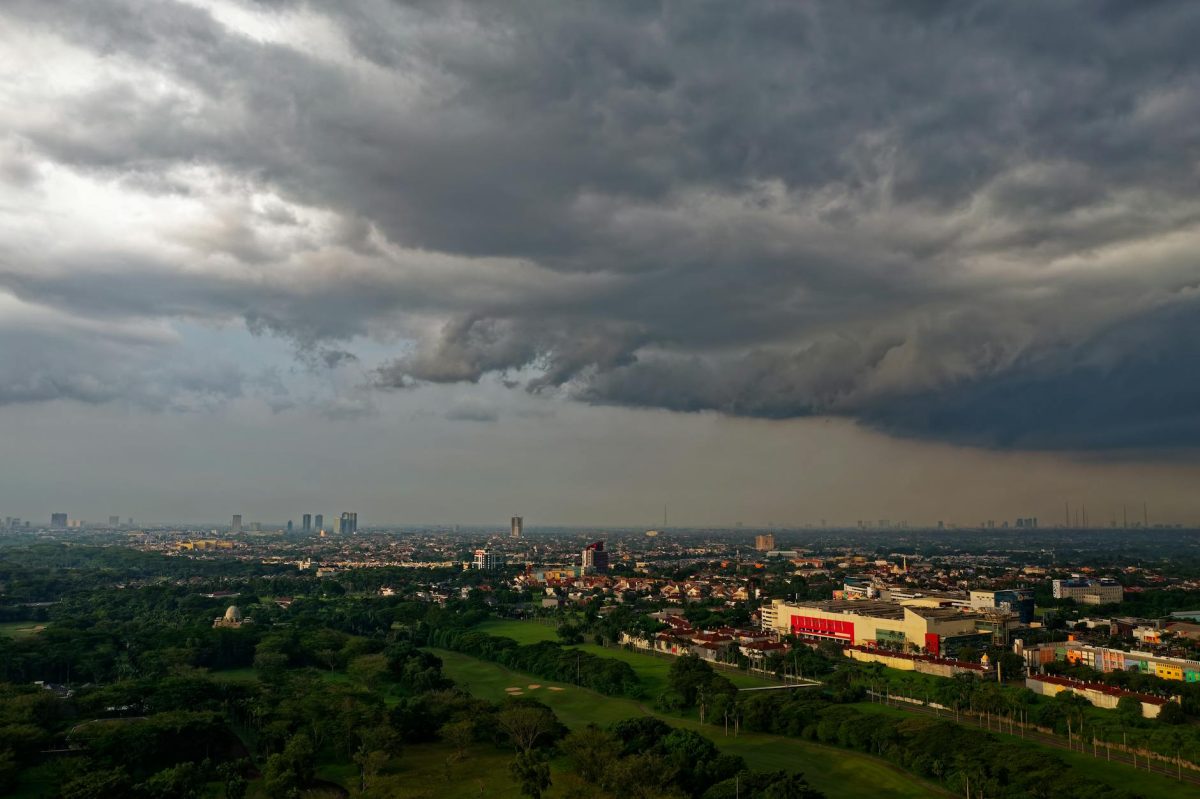
Cyclones can be devastating and unpredictable, but with the right preparation and knowledge, you can minimize risks and stay safe. As India remains vulnerable to such weather events, it's essential to know how to prepare for a cyclone. In this guide, you'll learn the 5 essential steps to take before, during, and after a cyclone hits your area.
Step 1: **Create a Cyclone Emergency Kit**
Assemble a disaster supply kit that includes essential items such as non-perishable food, bottled water, first aid supplies, flashlights, and a battery-powered radio. You can use the FEMA Supply Kit Checklist as a guide to ensure you have everything you need. Make sure to check your kit regularly to ensure expiration dates and replace items as needed. Allocate a safe and accessible storage space for your kit, such as a basement or a storm shelter.
Step 2: **Stay Informed with the Latest Weather Updates**
Sign up for emergency alerts from your local government or weather service to receive timely updates on cyclone tracks and warnings. Use weather apps like Dark Sky or AccuWeather to stay informed about weather conditions in your area. Keep a battery-powered radio or a NOAA Weather Radio on hand to receive emergency alerts and updates when the power is out.
Step 3: **Secure Your Home and Property**
Trim or remove any trees or shrubs that could cause damage to your property or power lines. Secure outdoor furniture, trash cans, and other items that could become projectiles in strong winds. Consider boarding up windows and doors to prevent damage from wind-borne debris. If you have a pool, consider draining it or covering it to prevent damage from strong winds.
Step 4: **Plan for Alternative Water and Food Sources**
Store at least 1 gallon of water per person per day for drinking, cooking, and hygiene. Consider purchasing a water filtration system or water purification tablets as a backup. Stock up on non-perishable food items and a manual can opener. Use the USDA's Food Storage Guide to determine how much food to store based on your family's size and needs.
Step 5: **Identify Safe Zones and Evacuation Routes**
Identify the safest areas in your home or building, such as interior rooms or closets, on the lowest floor. Know your evacuation routes and meeting points in case you get separated. Use online mapping tools like Google Maps to identify evacuation routes and safe zones in your area. Make sure to practice your evacuation plan with your family to ensure everyone knows what to do in case of an emergency.
Don't wait until it's too late – take proactive steps to prepare for a cyclone today. Remember, preparation is key to staying safe and minimizing risks. Consider sharing this guide with your loved ones and community to spread awareness and promote preparedness.
By following these 5 essential steps, you'll be better equipped to prepare for a cyclone and stay safe. Remember to stay informed, secure your home, plan for alternative sources, identify safe zones, and take proactive steps to minimize risks. Take action now and be prepared for the unexpected.