How To Stay Safe While Walking in Crowded Areas: The 10 Steps
Learn how to protect yourself from vehicle accidents and other hazards in busy city centers
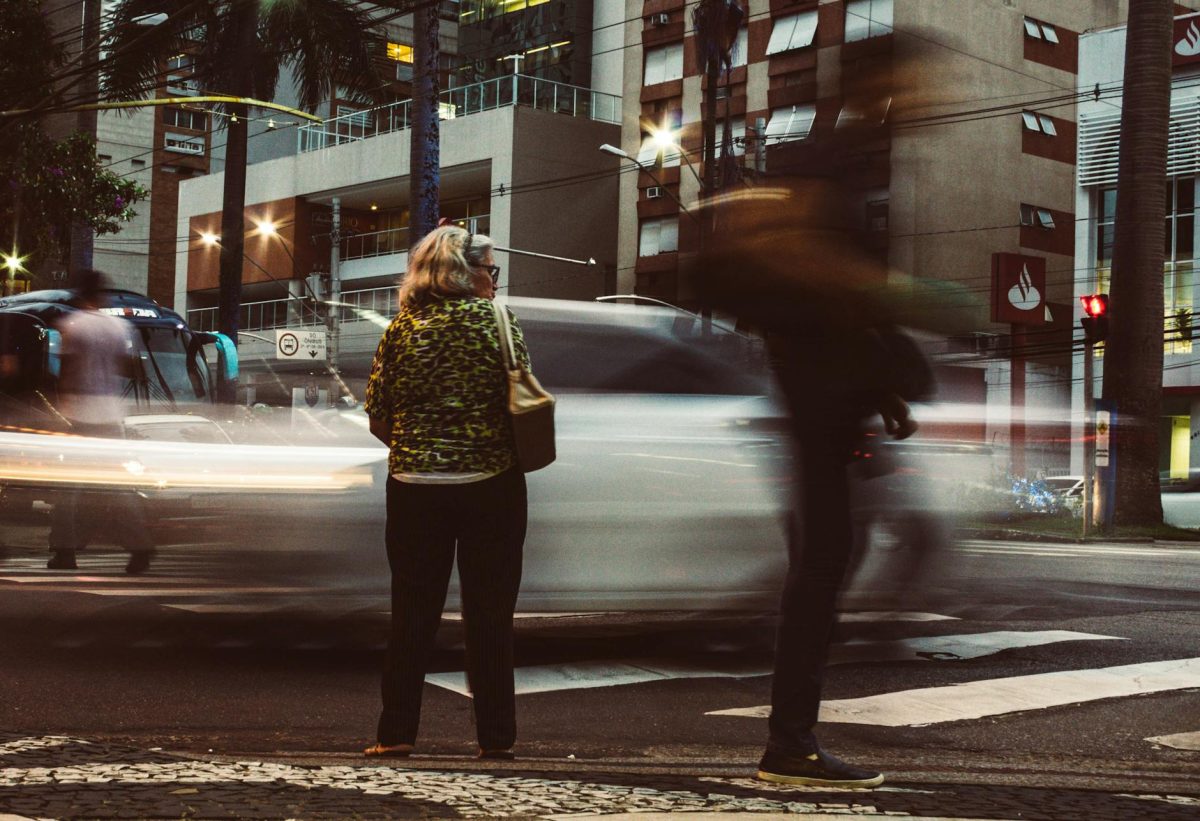
Are you concerned about your safety while walking in crowded areas? With the rise of urbanization, pedestrian accidents have become a serious issue. In this guide, learn the 10 essential steps to stay safe while walking in busy city centers like Siena's historic center.
Step 1: **Be Aware of Your Surroundings**
When walking in crowded areas, always maintain a high level of situational awareness. Keep an eye out for potential hazards like uneven pavement, potholes, and obstacles. Be mindful of other pedestrians, vehicles, and cyclists, and always prioritize your own safety. Use your peripheral vision to stay alert and aware of your surroundings at all times.
Step 2: Know the Local Traffic Rules
Familiarize yourself with the local traffic rules and regulations, including pedestrian crossing signals, bike lanes, and any specific rules for wheelchair accessibility. Knowing the rules will help you anticipate potential hazards and navigate through crowded areas safely. You can find this information on the city's official website or by asking local authorities.
Step 3: **Use Technology to Your Advantage**
Utilize safety apps like Here WeGo or Citymapper to navigate through crowded areas and avoid potential hazards. These apps provide real-time traffic updates, pedestrian-friendly routes, and alerts for potential hazards. You can also use apps like Life360 or Find My Friends to share your location with friends and family, ensuring they can track your whereabouts in case of an emergency.
Step 4: Stay Informed About Local Events
Stay up-to-date with local events, festivals, or construction projects that may affect pedestrian traffic in crowded areas. Register for local newsletters or follow official social media accounts to stay informed about potential hazards and disruptions. This will help you plan your routes accordingly and avoid areas with potential hazards.
Step 5: **Wear Visible Clothing**
Wear bright, visible clothing, especially at night or in low-light conditions. This will help drivers and other pedestrians see you more easily, reducing the risk of accidents. Consider wearing reflective gear, high-visibility vests, or brightly colored clothing to increase your visibility.
Step 6: Stay Alert and Avoid Distractions
Avoid distractions like using your phone, listening to music, or engaging in conversations while walking in crowded areas. Stay focused on your surroundings and avoid multitasking, which can increase your risk of accidents. If you need to use your phone, pull over to a safe location and use it there.
Step 7: **Use Crosswalks and Pedestrian Signs**
Always use designated crosswalks and pedestrian signs when walking in crowded areas. These signs and markings are in place to protect pedestrians and reduce the risk of accidents. Avoid jaywalking or crossing the street outside of designated crosswalks, as this can increase your risk of accidents.
Step 8: Be Mindful of Your Environment
Be aware of your environment and take note of potential hazards like uneven pavement, potholes, and obstacles. Take your time when walking and avoid rushing, as this can increase your risk of accidents. If you notice a potential hazard, alert others and report it to local authorities.
Step 9: **Stay Hydrated and Energized**
Stay hydrated and energized while walking in crowded areas. Avoid fatigue by taking regular breaks and staying hydrated with water or other hydrating drinks. You can also bring snacks like fruits or energy bars to keep your energy levels up.
Step 10: Report Potential Hazards
If you notice a potential hazard while walking in crowded areas, report it to local authorities immediately. This can help prevent accidents and ensure that the area is made safer for pedestrians. You can report hazards through the city's official website, social media, or by contacting local authorities directly.
Many pedestrians overlook the importance of reporting potential hazards. By reporting hazards, you can help create a safer environment for yourself and others, reducing the risk of accidents and injuries.
By following these 10 essential steps, you can stay safe while walking in crowded areas like Siena's historic center. Remember to stay aware of your surroundings, use technology to your advantage, and report potential hazards to ensure a safe and enjoyable experience. Take action now to prioritize your safety and well-being.