How To Stay Safe in an Outbreak: 5 Essential Steps for 2026
Protecting Yourself and Your Loved Ones from the Spread of Infectious Diseases
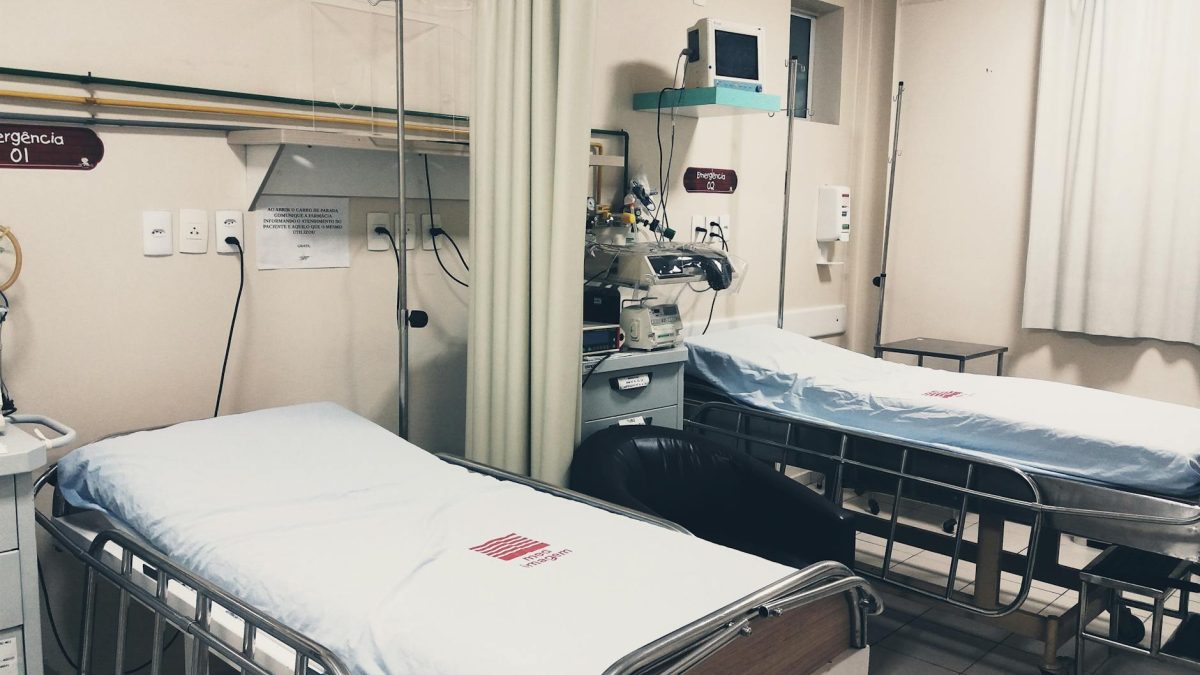
As the world grapples with the increasing threat of infectious diseases, staying safe during an outbreak has become a top priority. With the recent Ebola outbreak in Congo's Ituri province, it's essential to know how to protect yourself and your loved ones. In this guide, you'll learn 5 essential steps to stay safe in an outbreak and reduce the risk of infection.
Step 1: **Stay Informed** About Outbreaks Near You
Download the Outbreaks Near Me app (iOS, Android) to stay updated on infectious disease outbreaks in your area. This app provides real-time information on outbreaks, including the location, type of disease, and number of cases. Additionally, check the World Health Organization (WHO) website (who.int) for global outbreak updates and guidelines.
Step 2: Create a **Personal Emergency Kit**
Assemble a personal emergency kit with essential items such as a first-aid kit, face masks, gloves, hand sanitizer, and a portable water filter. Ensure that your kit is easily accessible and includes enough supplies for at least 2 weeks. You can also consider purchasing a pre-made emergency kit from a reputable supplier.
Step 3: **Practice Good Hygiene**
Wash your hands frequently with soap and water for at least 20 seconds, especially after using the bathroom, before eating, and after blowing your nose, coughing or sneezing. Use hand sanitizer when soap and water are not available. Avoid touching your eyes, nose, and mouth to prevent the spread of infection.
Step 4: **Avoid Close Contact** with Sick Individuals
Maintain a safe distance of at least 6 feet (1.8 meters) from anyone who is sick. Avoid shaking hands, hugging, or sharing food and drinks with someone who is infected. If you need to be in close proximity to someone who is sick, wear a face mask and gloves as a precautionary measure.
Step 5: **Develop a Communication Plan**
Create a communication plan with your family and friends in case you get separated during an outbreak. Designate a meeting point and a contact person who can provide updates on the situation. Make sure to also have a plan for emergency contact numbers and important documents.
Consider taking a **first aid and emergency response course** to learn essential skills for responding to outbreaks and emergencies.
By following these 5 essential steps, you'll be better equipped to stay safe in an outbreak and protect yourself and your loved ones from the spread of infectious diseases. Remember to stay informed, practice good hygiene, and avoid close contact with sick individuals. Stay safe, stay informed, and stay prepared.