How To Diversify Your Energy Portfolio During Economic Uncertainty
Follow these 5 practical tips to safeguard your finances from potential supply chain disruptions and market fluctuations
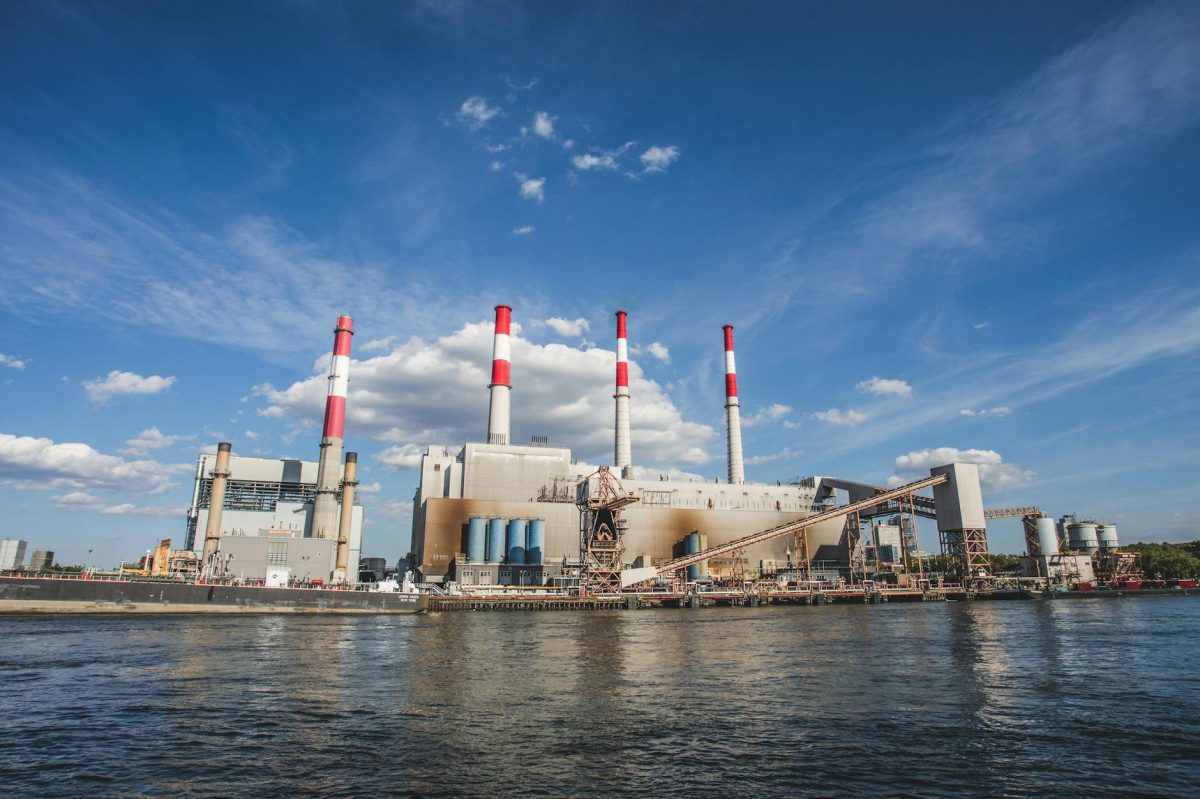
As economic tensions escalate and global energy markets become increasingly volatile, it's essential to reassess your energy portfolio and take proactive steps to mitigate potential risks. By diversifying your energy sources, you can reduce dependence on single suppliers and minimize exposure to market fluctuations. In this guide, you'll learn how to create a resilient energy portfolio and invest in a more sustainable future.
Step 1: Assess Your Current Energy Spend
Start by tracking your current energy expenses, including electricity, gas, and oil bills. Use online tools like energy tracking software (such as UtilityAPI or EnergySage) to monitor your usage and identify areas for optimization. This will help you understand your energy consumption patterns and make informed decisions about your investment strategy. Estimated time: 20 minutes
Step 2: Explore Renewable Energy Options
Consider investing in solar panels or wind turbines, which can provide a clean and sustainable source of energy. Research local incentives, such as tax credits or rebates, that can help offset the upfront costs. You can also explore community solar programs or energy cooperatives to share the benefits with others. For instance, check out SolarCity or Sunrun for solar panel installation services. Estimated time: 45 minutes
Step 3: Invest in Energy-Efficient Appliances
Upgrading to energy-efficient appliances can significantly reduce your energy consumption and save you money in the long run. Look for products with the Energy Star certification, which ensures they meet energy efficiency standards set by the U.S. Environmental Protection Agency. You can also opt for smart home devices that can help you monitor and control your energy usage. For example, use Nest or Honeywell thermostats to optimize your heating and cooling systems. Estimated time: 30 minutes
Step 4: Diversify Your Energy Sources
In addition to renewable energy options, consider investing in alternative energy sources like geothermal or biomass. Research local companies that offer these services and evaluate their feasibility based on your specific needs and budget. For instance, check out Ormat Technologies for geothermal energy solutions or POET for biomass-based energy production. Estimated time: 1 hour
Step 5: Monitor and Adjust Your Portfolio
Regularly review your energy portfolio to ensure it remains aligned with your investment goals and risk tolerance. Use online platforms like InvestorHub or TradeStation to track your energy investments and make adjustments as needed. Consider consulting with a financial advisor or energy expert to get personalized advice on optimizing your portfolio. Estimated time: 1 hour
Consider investing in energy storage solutions, such as batteries, to supplement your renewable energy sources and ensure a stable energy supply during power outages or grid disruptions.
By following these 5 practical tips, you can create a resilient energy portfolio that safeguards your finances from potential supply chain disruptions and market fluctuations. Remember to stay informed about local regulations, incentives, and market trends to make informed investment decisions. Start taking control of your energy future today!