How To Stop Single-Use Plastics in Your Home by 2026
A 5-Step Guide to Making Eco-Friendly Swaps and Reducing Waste
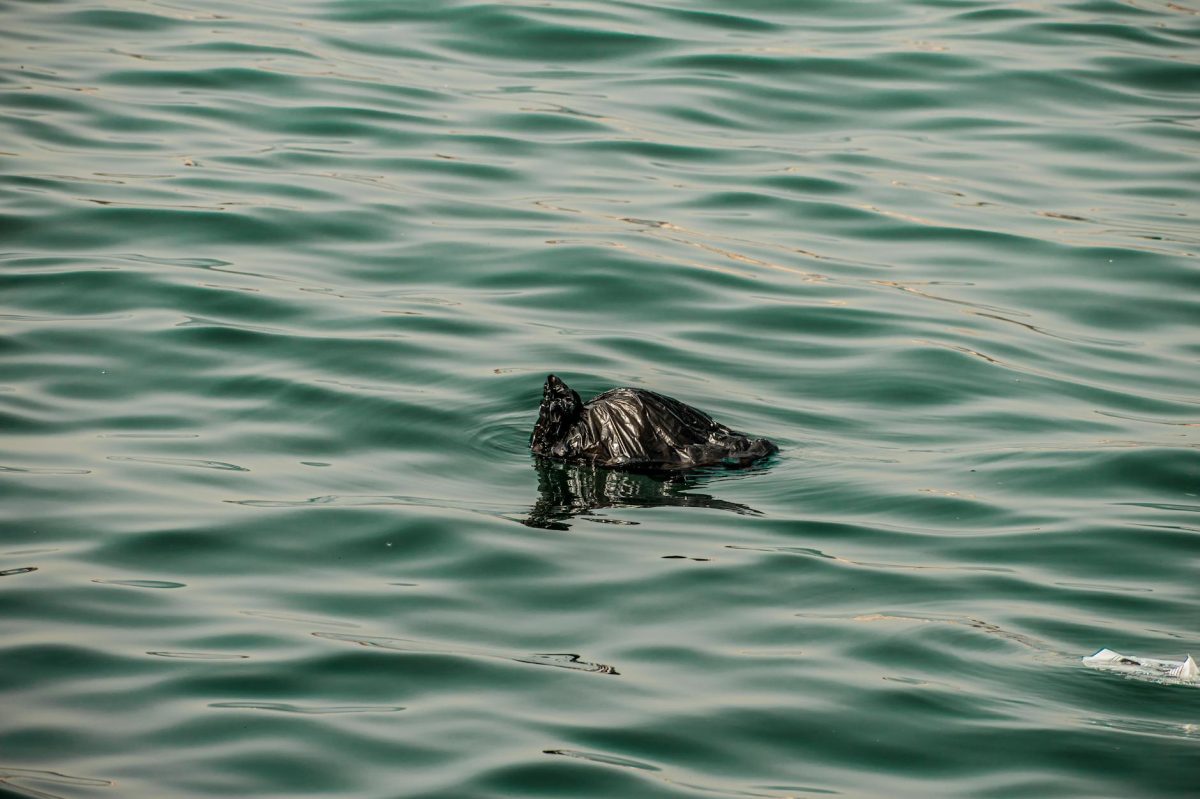
As the European Union works to eliminate single-use plastics by 2027, it's time for you to take action in your own home. Making small changes to your daily habits can have a significant impact on the environment. In this guide, you'll learn how to stop single-use plastics in your home by 2026 and start living a more sustainable lifestyle.
Step 1: **Identify** Single-Use Plastics in Your Home
Start by conducting a home inventory to identify areas where single-use plastics are used the most, such as kitchen utensils, cleaning supplies, and personal care products. Make a list of the items you want to replace and research eco-friendly alternatives. You can also use apps like Trash to Treasure to help you identify and track your waste.
Step 2: **Switch** to Reusable Alternatives
Replace single-use plastics with reusable alternatives, such as stainless steel water bottles, cloth bags, and bamboo toothbrushes. Consider investing in a bees wrap or stasher bag for food storage and a reusable straws set for your favorite drinks. You can also opt for refillable cleaning supplies like refillable spray bottles and microfiber cloths.
Step 3: **Implement** a Zero-Waste Kitchen
The kitchen is one of the most significant contributors to single-use plastics in the home. Start by switching to beeswax wraps for food storage, glass containers for leftovers, and reusable silicone bags for snack storage. You can also invest in a compost bin to turn food waste into nutrient-rich soil.
Step 4: **Choose** Eco-Friendly Personal Care Products
Many personal care products, such as shampoo, conditioner, and body wash, come in single-use plastic bottles. Look for eco-friendly alternatives that come in refillable containers or are packaged in minimal, biodegradable materials. You can also consider making your own personal care products using natural ingredients.
Step 5: **Monitor and Adjust** Your Progress
Track your progress by keeping a waste diary or using an app like Waste Wizard to monitor your waste output. Adjust your habits as needed and continue to look for ways to reduce your single-use plastic usage. Celebrate your successes and stay motivated to make sustainable changes that benefit the environment.
Consider hosting a 'Plastic-Free Monday' challenge with friends or family to stay motivated and accountable.
By following these 5 steps, you'll be well on your way to stopping single-use plastics in your home by 2026. Remember, every small change counts, and making sustainable lifestyle choices will have a significant impact on the environment. Continue to monitor your progress and stay committed to making a positive change.