How To Stay Safe While Sailing Through High-Risk Areas
Protect Yourself and Your Vessel with These Essential Tips and Tools
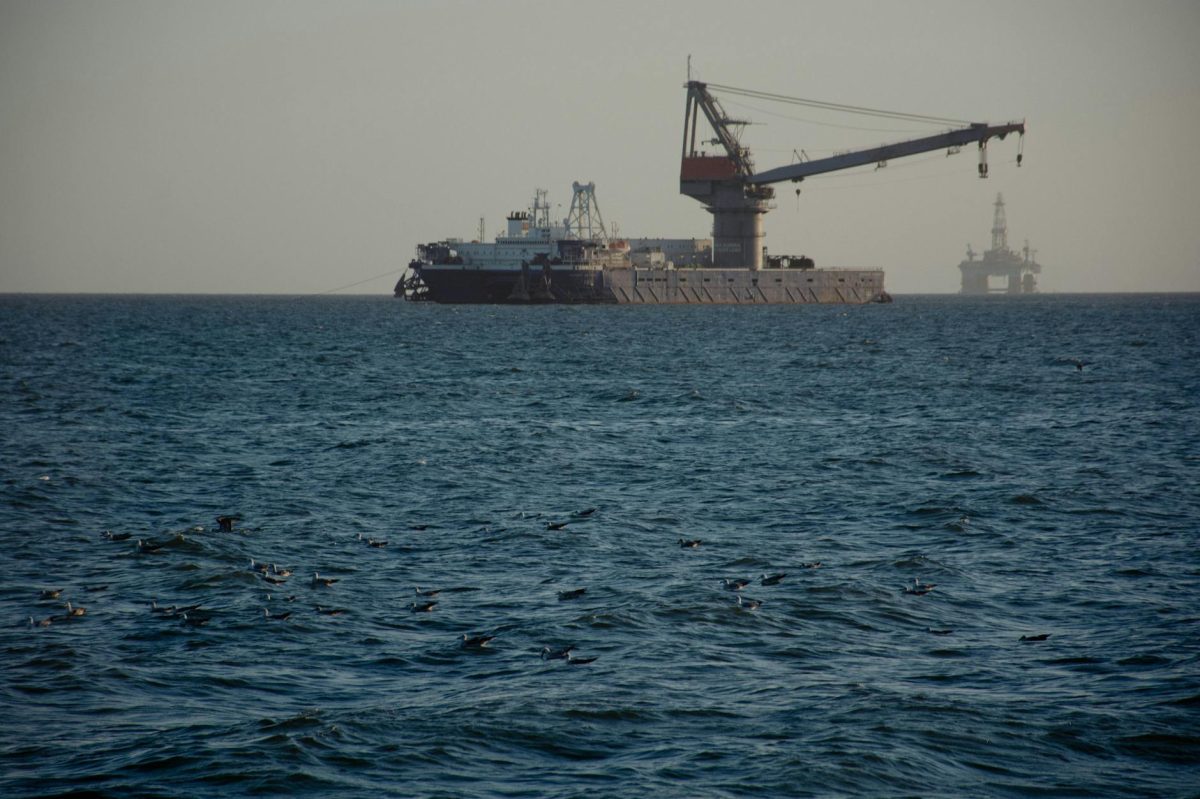
As the recent hijacking of a floating armoury ship in the Gulf of Oman highlights, sailing through high-risk areas can be a daunting task. But with the right knowledge and preparation, you can minimize your risk and stay safe on the water. In this guide, we'll show you the 5 essential steps to take when sailing through high-risk areas.
Step 1: **Research** Your Route and Destination
Before you set sail, research your route and destination thoroughly. Look for information on local security concerns, weather patterns, and maritime traffic. Use online tools like the International Maritime Bureau's Piracy Reporting Centre or the US Coast Guard's Maritime Domain Awareness Center to stay informed. You can also consult with local authorities, sailors who have sailed the route before, or join online sailing forums to gather valuable insights.
Step 2: **Prepare** Your Vessel and Crew
Ensure your vessel is seaworthy and equipped with essential safety gear, such as life rafts, emergency beacons, and communication devices. Make sure your crew is trained in basic safety procedures, such as emergency response and navigation. Consider hiring a marine surveyor to inspect your vessel and identify any potential vulnerabilities. You can also invest in a vessel security system, like the ones offered by companies like ShipGuard or Navico.
Step 3: **Stay Informed** About Local Conditions
Stay up-to-date with the latest news and information about your destination and route. Follow local authorities, maritime organizations, and sailing communities on social media to get real-time updates. Use apps like SailFlow or WindGuru to track weather patterns and wind directions. You can also subscribe to maritime security advisories, like the ones issued by the US Department of State or the European Union's Maritime Security Group.
Step 4: **Establish** a Communication Plan
Develop a communication plan with your crew, family, and emergency contacts. Make sure everyone knows how to contact each other in case of an emergency. Use tools like satellite phones, VHF radios, or emergency beacons to stay connected. Consider investing in a communication device like the Garmin inReach or the DeLorme Earthmate, which allows you to send and receive messages via satellite.
Step 5: **Stay Vigilant** and Adapt to Changing Circumstances
Stay alert and aware of your surroundings at all times. Monitor your vessel's systems and equipment regularly to ensure they are functioning properly. Be prepared to adapt to changing circumstances, such as weather changes or security threats. Use your best judgment and trust your instincts to make decisions that keep you and your crew safe. Remember, safety is a mindset, and staying vigilant is key to a successful and safe sailing experience.
Consider hiring a professional security consultant or joining a sailing community with experience in high-risk areas to get expert advice and guidance.
By following these 5 essential steps, you can stay safe while sailing through high-risk areas. Remember to research, prepare, stay informed, establish a communication plan, and stay vigilant. With the right mindset and preparation, you can minimize your risk and enjoy a safe and successful sailing experience.