How To Avoid Unfair Labor Practices When Buying Clothes Online
A practical guide to researching clothing manufacturers and ensuring fair labor standards in the fashion industry
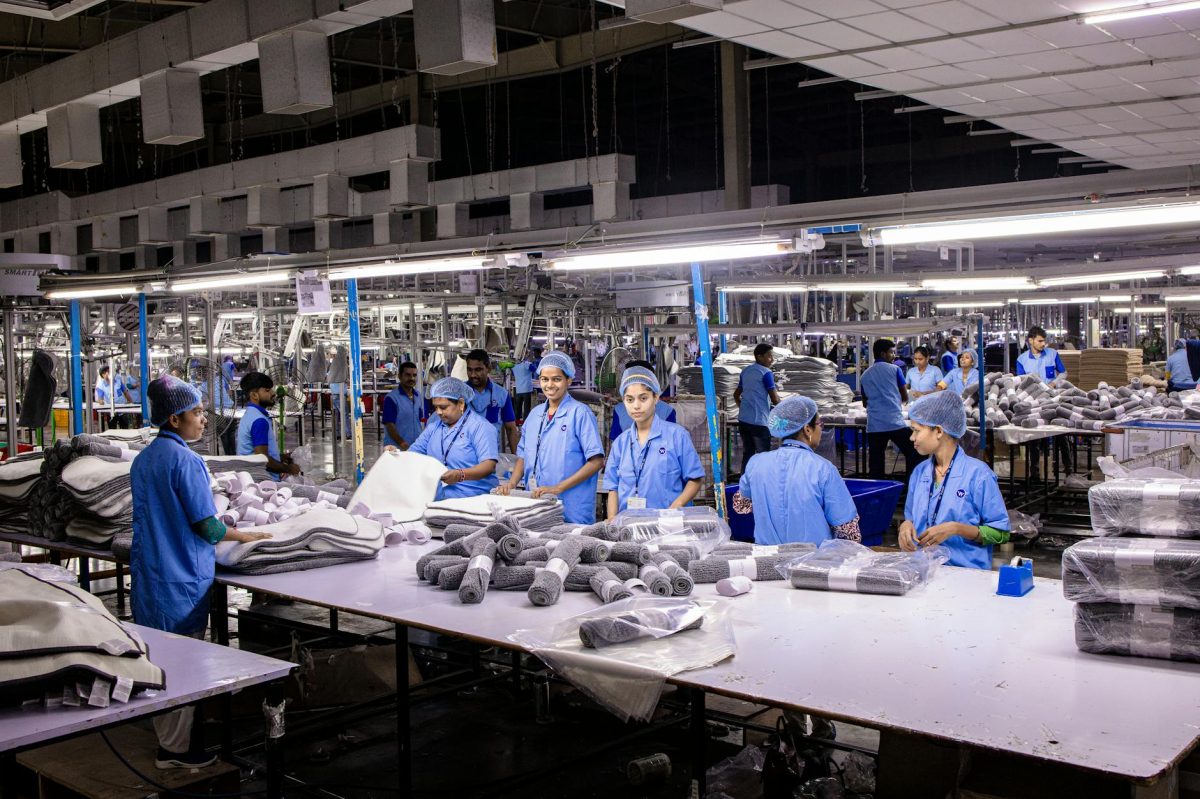
As a conscious consumer, you want to make informed purchasing decisions that align with your values. However, the truth about sweatshops in the clothing industry can be shocking. This guide will help you navigate the complex world of fair labor practices and ensure that your clothes are made without exploiting workers. By following these simple steps, you can make a positive impact on the lives of garment workers and contribute to a more just fashion industry.
Step 1: Research the Clothing Manufacturer
Start by researching the clothing manufacturer using online directories like the Fashion Revolution's 'Who Made My Clothes' database or the Clean Clothes Campaign's 'Brand and Factory List'. You can also check if the manufacturer is a member of the Fair Labor Association or the World Federation of Trade Unions. Verify the information by contacting the manufacturer directly or checking their website. This will help you understand their labor practices and commitment to fair labor standards.
Step 2: Check Online Reviews and Ratings
Read online reviews and ratings from trusted sources like Trustpilot, Sitejabber, or Google Reviews to get an idea of the manufacturer's reputation and treatment of workers. Look for red flags like low ratings, complaints about labor practices, or negative reviews from workers. You can also check the manufacturer's social media presence to see how they engage with customers and respond to concerns.
Step 3: Examine Certifications and Labels
Look for certifications like Fair Trade, Organic Cotton, or B Corp, which indicate that the manufacturer meets certain labor and environmental standards. You can also check for labels like the 'Made in [Country]' label, which may indicate that the manufacturer complies with local labor laws. However, be aware that these labels are not always a guarantee of fair labor practices.
Step 4: Contact the Manufacturer Directly
Reach out to the manufacturer's customer service or sustainability team to ask about their labor practices and policies. Ask specific questions like 'What measures do you take to prevent child labor?' or 'How do you ensure fair wages for your workers?' Pay attention to their responses and whether they provide clear and transparent information. This will help you gauge their commitment to fair labor standards.
Step 5: Support Transparent and Accountable Brands
Consider supporting brands that prioritize transparency and accountability, such as Patagonia, Reformation, or Everlane. These brands often provide detailed information about their supply chains, labor practices, and environmental impact. By choosing to buy from brands that prioritize fair labor standards, you can send a message to the industry that consumers care about the people behind their clothes.
Don't be fooled by greenwashing or tokenistic initiatives. Look for sustained efforts and meaningful commitments to fair labor standards, rather than just a superficial attempt to appear socially responsible.
By following these steps, you can make informed purchasing decisions that promote fair labor practices and contribute to a more just fashion industry. Remember, your choices have the power to drive positive change and improve the lives of garment workers. So next time you buy clothes online, take a closer look at the manufacturer and make a choice that aligns with your values.