How To Reduce Datacentre Energy Consumption In 2026: 10 Steps
Cut the carbon footprint of your digital footprint with these actionable tips for a more sustainable future
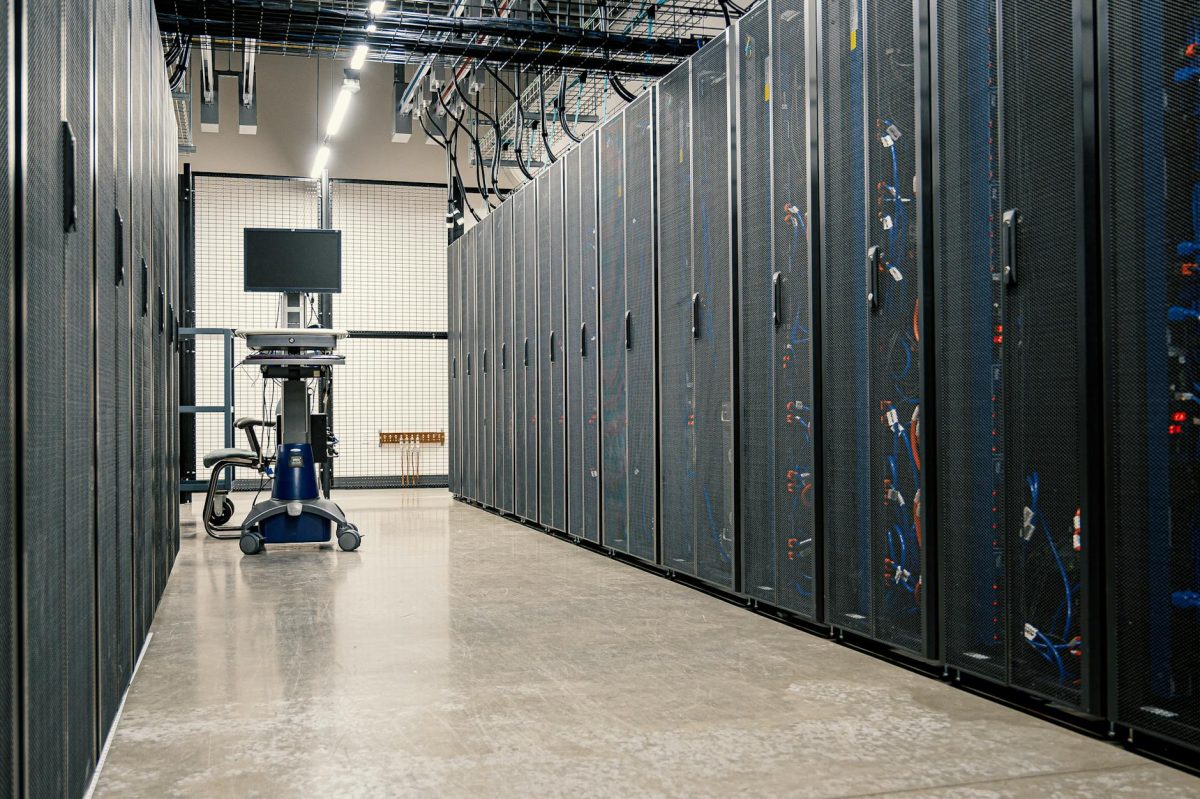
As datacentres continue to grow, their energy consumption is becoming a major concern for the environment. With the industry's energy footprint projected to rise, it's essential to take proactive steps to reduce your datacentre's carbon footprint. In this guide, you'll learn the 10 steps to make your datacentre more sustainable and eco-friendly.
Step 1: **Conduct an Energy Audit**
Perform a thorough energy audit of your datacentre to identify areas of inefficiency. Use tools like the US Environmental Protection Agency's (EPA) ENERGY STAR Portfolio Manager to track energy consumption and identify opportunities for improvement. This will help you set a baseline for your energy efficiency efforts and prioritize areas for improvement.
Step 2: Upgrade to Energy-Efficient Hardware
Replace old, energy-hungry hardware with newer, more efficient models. Look for servers with high power efficiency ratings and low power density. Consider using servers with advanced cooling systems to reduce energy consumption. You can also lease or reuse existing equipment to reduce waste and lower costs.
Step 3: Implement Virtualization
Virtualize your infrastructure to reduce the number of physical servers and associated energy consumption. Use tools like VMware or Microsoft Hyper-V to create virtual machines and consolidate workloads. This will help you optimize resource utilization and reduce energy waste.
Step 4: Optimize Cooling Systems
Improve your datacentre's cooling systems to reduce energy consumption and improve efficiency. Use air-side or water-side economization to reduce cooling costs. Implement hot aisle containment or cold aisle containment to improve air flow and reduce heat loads.
Step 5: Leverage Renewable Energy
Consider using renewable energy sources like solar or wind power to reduce your datacentre's carbon footprint. Look for datacentre providers that offer 100% renewable energy or carbon offsetting. You can also consider on-site renewable energy generation, such as solar panels or wind turbines.
Step 6: Implement Energy-Efficient Lighting
Replace existing lighting with energy-efficient LED lighting. Consider using motion sensors or smart lighting systems to optimize lighting usage and reduce energy waste. LED lighting can reduce energy consumption by up to 75% compared to traditional lighting.
Step 7: Promote Energy-Efficient Practices
Encourage employees to adopt energy-efficient practices, such as turning off unused equipment and using power-saving modes. Provide training and resources to help them understand the importance of energy efficiency and the impact of their actions. Consider implementing energy-saving competitions or recognition programs to motivate employees.
Step 8: Implement Energy Monitoring and Management Systems
Install energy monitoring and management systems to track energy consumption and identify areas for improvement. Use tools like Sensaphone or Digi Connect to monitor energy usage and receive alerts for unusual activity. This will help you stay on top of energy efficiency efforts and make data-driven decisions.
Step 9: Develop an Energy Efficiency Plan
Develop a comprehensive energy efficiency plan that outlines goals, strategies, and timelines for reducing energy consumption. Set specific, measurable, achievable, relevant, and time-bound (SMART) goals for energy reduction. Regularly review and update the plan to ensure progress and adjust strategies as needed.
Step 10: Engage with Stakeholders
Engage with stakeholders, including employees, customers, and suppliers, to raise awareness about the importance of energy efficiency. Share success stories and energy efficiency metrics to demonstrate progress and encourage others to follow suit. Consider developing a sustainability report to transparency and accountability.
Don't forget to consider the **total cost of ownership** (TCO) when evaluating energy-efficient solutions. While upfront costs may be higher, energy-efficient solutions can lead to significant long-term savings and reduced maintenance costs.
By following these 10 steps, you can significantly reduce your datacentre's energy consumption and contribute to a more sustainable future. Remember to regularly review and update your energy efficiency efforts to ensure progress and achieve your goals. Take the next step today by starting an energy audit and developing a comprehensive energy efficiency plan.