How To Protect Public Landmarks From Unnecessary Changes
A step-by-step guide to understanding and taking action against proposed changes to national monuments and cultural sites
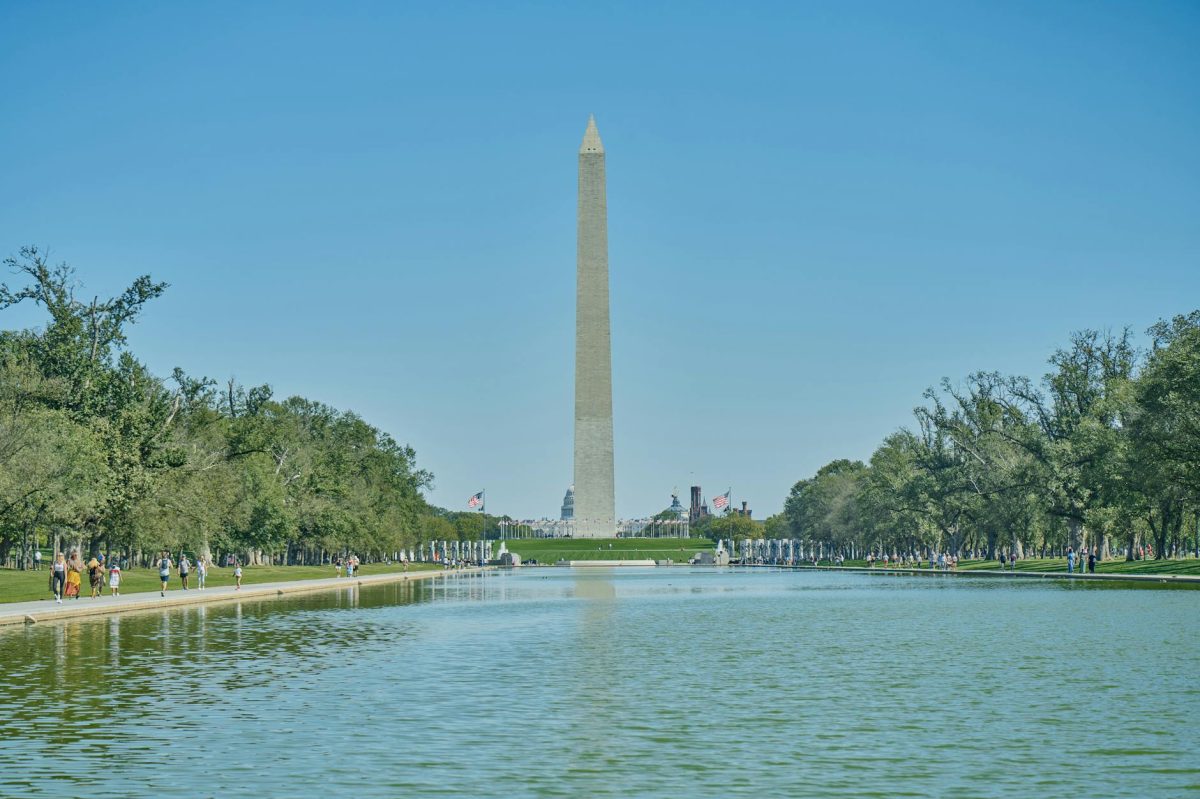
As the world becomes increasingly aware of the importance of preserving our cultural heritage, it's become clear that protecting public landmarks from unnecessary changes is a pressing concern. With the constant threat of development and destruction, it's essential to know how to take action against proposed changes to national monuments and cultural sites. In this guide, we'll walk you through the steps to protect these valuable assets and ensure their preservation for future generations.
Step 1: **Research** Proposed Changes to Public Landmarks
Start by researching any proposed changes to public landmarks in your area. Check the official websites of local government agencies, as well as news outlets and advocacy groups, to stay informed about potential developments. Utilize tools like the National Register of Historic Places or the Cultural Landscape Foundation's website to find information on national monuments and cultural sites in your area.
Step 2: **Understand** the Regulatory Process
Once you've identified proposed changes, it's essential to understand the regulatory process involved. Learn about the different agencies and departments responsible for preserving public landmarks, such as the National Park Service or the Advisory Council on Historic Preservation. Familiarize yourself with the laws and regulations that govern the protection of cultural resources, such as the National Historic Preservation Act.
Step 3: **Engage** with Local Communities and Advocacy Groups
Join local communities and advocacy groups working to protect public landmarks. Attend public hearings, rallies, and meetings to express your concerns and show your support for preserving cultural sites. Utilize social media platforms to raise awareness about the issue and connect with like-minded individuals. Consider partnering with local organizations to amplify your impact and build a stronger coalition.
Step 4: **Develop** a Clear Message and Strategy
Develop a clear message and strategy for communicating your concerns to decision-makers. Identify key stakeholders, such as local officials, business leaders, and community members, and craft a compelling narrative that highlights the importance of preserving public landmarks. Use storytelling techniques to illustrate the impact of proposed changes on local communities and cultural heritage. Leverage data and statistics to support your arguments and demonstrate the economic benefits of preservation.
Step 5: **Take** Action and Advocate for Change
Take action by attending public meetings, writing letters to the editor, and engaging in social media campaigns. Advocate for change by meeting with local officials, business leaders, and community members to discuss the importance of preserving public landmarks. Utilize online platforms, such as Change.org or the Cultural Landscape Foundation's Action Center, to mobilize support and raise awareness about the issue. Remember to stay persistent and patient, as advocating for change can be a long-term process.
Consider partnering with local artists, historians, or cultural experts to amplify your message and add credibility to your advocacy efforts.
By following these steps, you can effectively protect public landmarks from unnecessary changes and preserve cultural heritage for future generations. Remember to stay informed, engage with local communities, and develop a clear message and strategy to advocate for change. Join the movement to preserve our cultural assets and ensure their continued significance in the years to come.