How To Raise Kind Children Without Breaking the Bank: The 5 Tips
Transform your family's generosity habits with these practical strategies, no matter your budget.
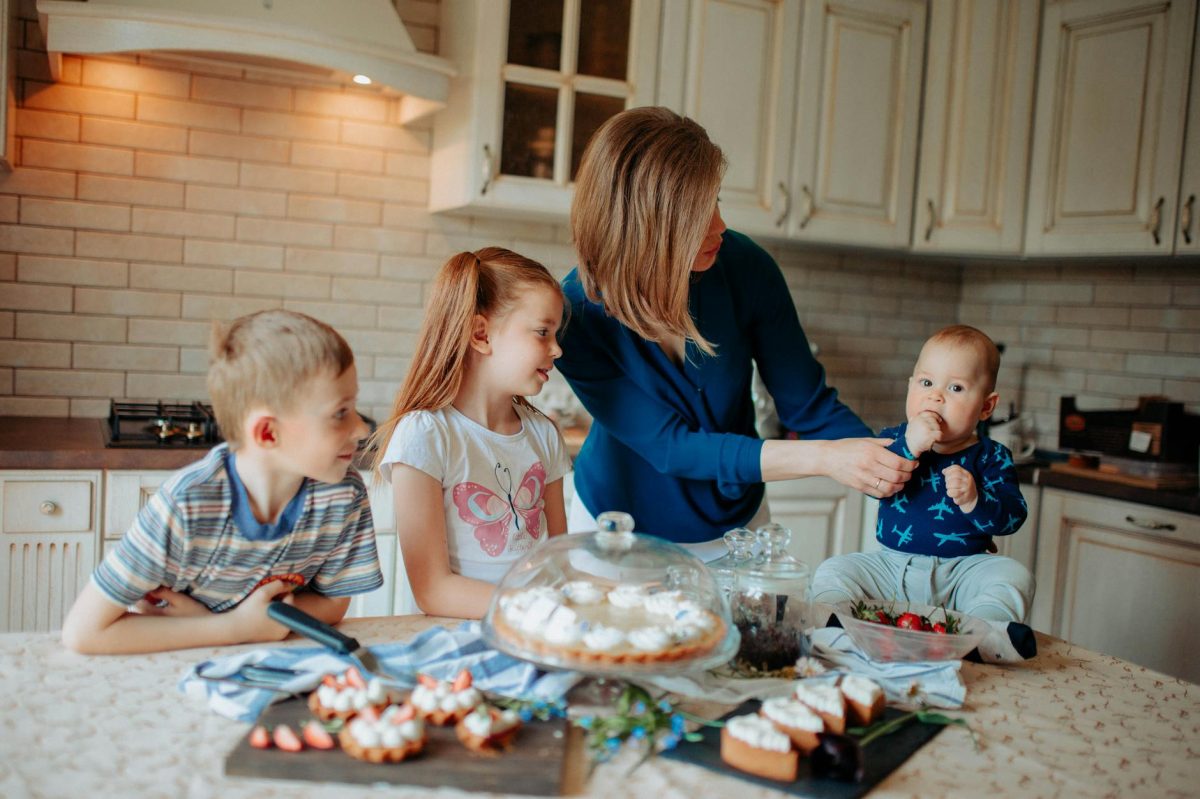
Raising kind children is a top priority for many parents, but it can be challenging to instill generosity without breaking the bank. In today's world, where financial constraints are a reality, it's essential to find creative ways to nurture your child's compassionate side. In this guide, you'll learn 5 actionable tips to help you raise kind children without overspending.
Step 1: **Model Kindness** with Consistency
Start by modeling kindness yourself, as children learn from observing their parents. Make kindness a habit by doing small acts of generosity daily, like holding the door for someone or surprising a neighbor with a small gift. Be mindful of your child's presence and involve them in your acts of kindness, explaining the reasons behind your actions. Use this opportunity to teach them the value of kindness and how it can positively impact others.
Step 2: **Create a Giving Jar** for Family Fundraising
Implement a giving jar system where family members contribute a small amount of money or tokens to a collective fund. Use these funds to support local charities or community projects, teaching your child the value of collective giving. You can also involve your child in the decision-making process, helping them understand the impact of their contributions. This approach not only promotes kindness but also fosters a sense of responsibility and teamwork.
Step 3: **Teach Empathy through Storytelling**
Use storytelling as a powerful tool to teach empathy and compassion. Read books or watch movies that highlight the struggles of others, encouraging your child to put themselves in others' shoes. Engage in conversations about the characters' emotions, helping your child develop a deeper understanding of human experiences. This will help them develop a more empathetic outlook, leading to increased kindness towards others.
Step 4: **Practice Random Acts of Kindness**
Surprise your child with random acts of kindness, such as writing thank-you notes, drawing pictures for neighbors, or surprising a family member with a small gift. These spontaneous acts will help your child see the positive effects of kindness on others, creating a ripple effect of generosity. Be sure to follow up with discussions about the impact of these actions, reinforcing the value of kindness in your child's mind.
Step 5: **Involve Your Child in Volunteer Work**
Find volunteer opportunities that your child can participate in, such as serving at a local soup kitchen, helping at an animal shelter, or participating in a park cleanup. These experiences will help your child develop a sense of social responsibility and empathy, as they interact with people from diverse backgrounds. Encourage your child to ask questions and engage with the people they meet, fostering a deeper understanding of the impact of their actions.
Remember, kindness is a muscle that needs to be exercised regularly. Start small and be consistent in your efforts to raise kind children, and you'll be surprised at the positive impact it will have on your family and community.
By following these 5 practical tips, you'll be well on your way to raising kind children who understand the value of generosity. Remember, kindness is a habit that can be developed over time with consistent effort. Take the first step today and watch your child grow into a compassionate and empathetic individual.