How To Analyze Unidentified Aerial Phenomena (UAPs) Like a Pro
Uncover the truth behind UFO sightings and learn how to investigate UAP incidents like a seasoned expert
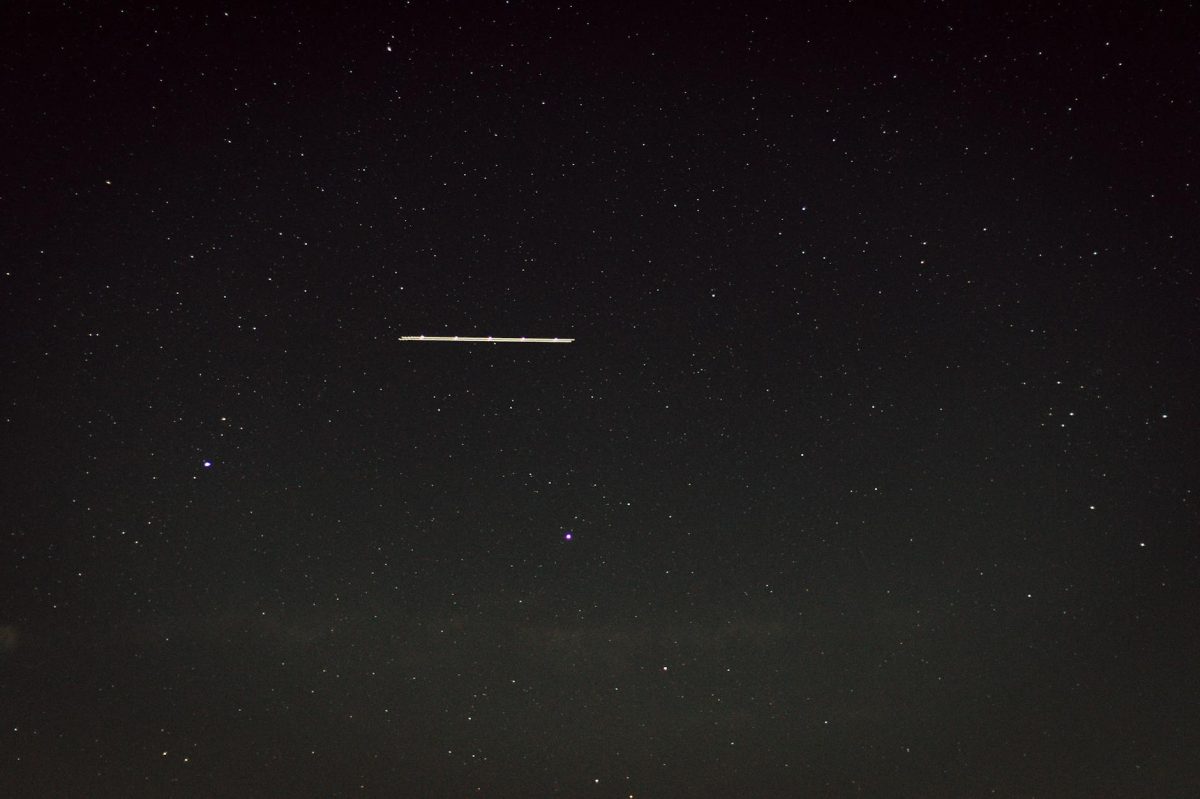
The recent declassification of Pentagon documents has sparked a renewed interest in Unidentified Aerial Phenomena (UAPs). As a beginner, you may be wondering how to analyze UAPs and uncover the truth behind UFO sightings. In this guide, you'll learn how to investigate UAP incidents like a seasoned expert and develop the skills necessary to identify and analyze these mysterious events. With these 7 steps, you'll be well on your way to becoming a UAP analyst.
Step 1: Gather and Review UAP Incident Reports
Begin by gathering reports of UAP incidents from reputable sources such as the Pentagon, NIDS, or MUFON. Review these reports carefully, looking for details such as date, time, location, and witness descriptions. Use this information to create a timeline of UAP sightings and identify patterns or anomalies. You can also use online tools like the UAP Database to search for and analyze UAP incidents.
Step 2: Identify and Verify Witness Statements
Verify witness statements by interviewing them directly or through written testimony. Look for inconsistencies in their descriptions and take note of any red flags that may indicate deception. Use tools like Witness Statement Analysis to help you identify potential biases or fabrications. Additionally, consider using online resources like the National UFO Reporting Center to find witness statements and analyze their credibility.
Step 3: Analyze UAP Sightings Using Photogrammetry
Use photogrammetry techniques to analyze UAP sightings by examining high-quality images or videos. Look for geometric patterns or anomalies that may indicate the presence of a UAP. You can use online tools like Autodesk Sketchbook or Adobe Photoshop to analyze and enhance images. Consider joining online forums or communities to learn from other UAP enthusiasts and experts.
Step 4: Investigate UAP Incidents Using Online Research
Conduct online research using search engines like Google or Bing to find information related to UAP incidents. Use advanced search operators like site: or intitle: to narrow down your results and find relevant information. Consider using online tools like Google Trends or Google Scholar to analyze search patterns and identify trends. You can also use online databases like the UFO Datasearch to find and analyze UAP incidents.
Step 5: Use Video and Image Analysis Software
Use video and image analysis software like Adobe Premiere Pro or DaVinci Resolve to analyze UAP sightings. Look for anomalies or patterns that may indicate the presence of a UAP. Consider using online tutorials or courses to learn how to use these software tools effectively. Additionally, join online communities or forums to learn from other UAP enthusiasts and experts.
Step 6: Collaborate with Other Researchers and Experts
Join online communities or forums to collaborate with other UAP researchers and experts. Share your findings and learn from others. Consider participating in online conferences or webinars to learn from experts and stay up-to-date on the latest research. Use online tools like Slack or Discord to communicate with other researchers and experts. You can also use online platforms like Academia.edu or ResearchGate to share your research and collaborate with others.
Step 7: Stay Up-to-Date with the Latest Research and Discoveries
Stay current with the latest research and discoveries in the field of UAP analysis. Follow reputable sources like the Pentagon, NIDS, or MUFON to stay informed about new developments. Consider attending online conferences or webinars to learn from experts and stay up-to-date on the latest research. Use online tools like Google Alerts or Feedly to stay informed about new developments in the field of UAP analysis.
Many UAP enthusiasts overlook the importance of **data validation** when analyzing UAP incidents. To ensure the accuracy of your findings, validate your data by comparing it with multiple sources and using multiple tools to analyze the same data.
By following these 7 steps, you'll be well on your way to becoming a UAP analyst and uncovering the truth behind UFO sightings. Remember to stay current with the latest research and discoveries, and always validate your data to ensure the accuracy of your findings. As you continue to analyze UAP incidents, you'll develop the skills necessary to identify and analyze these mysterious events like a seasoned expert.