How To Stay Safe During a Conflict Zone in 7 Ways
Protecting yourself and your loved ones from the risks of war and violence requires a proactive approach
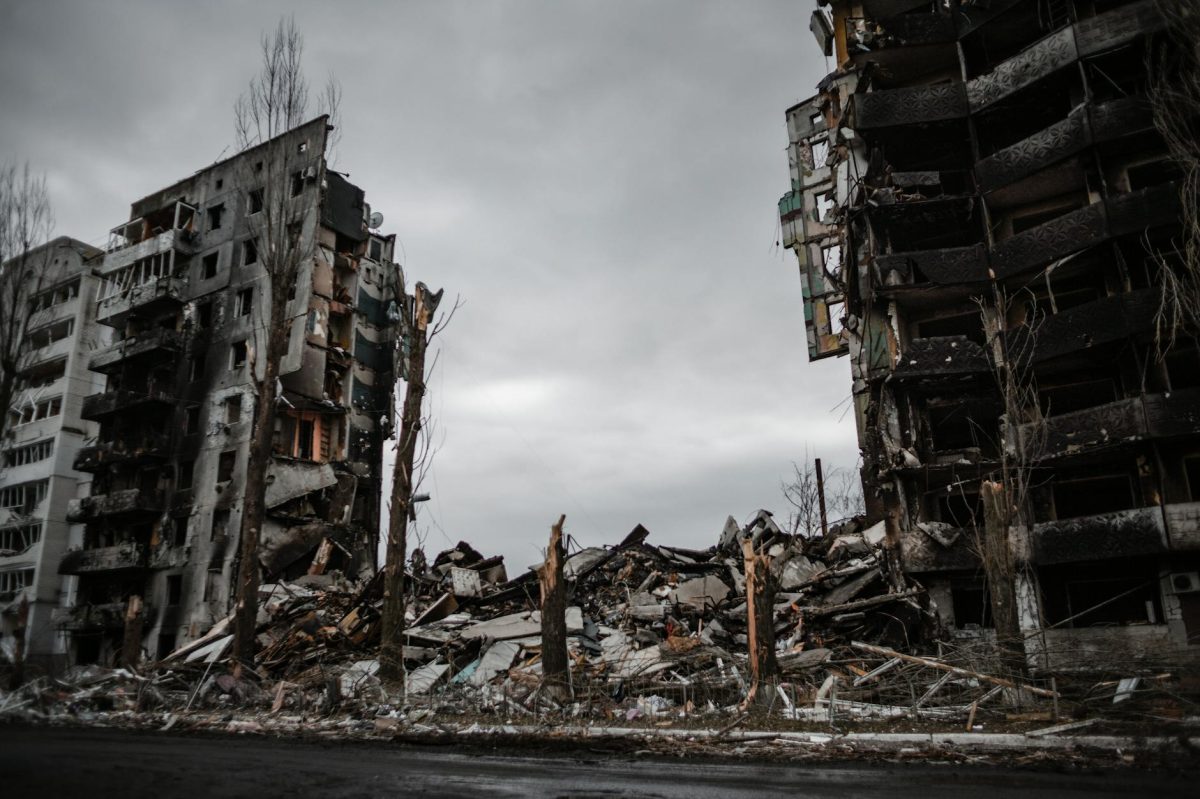
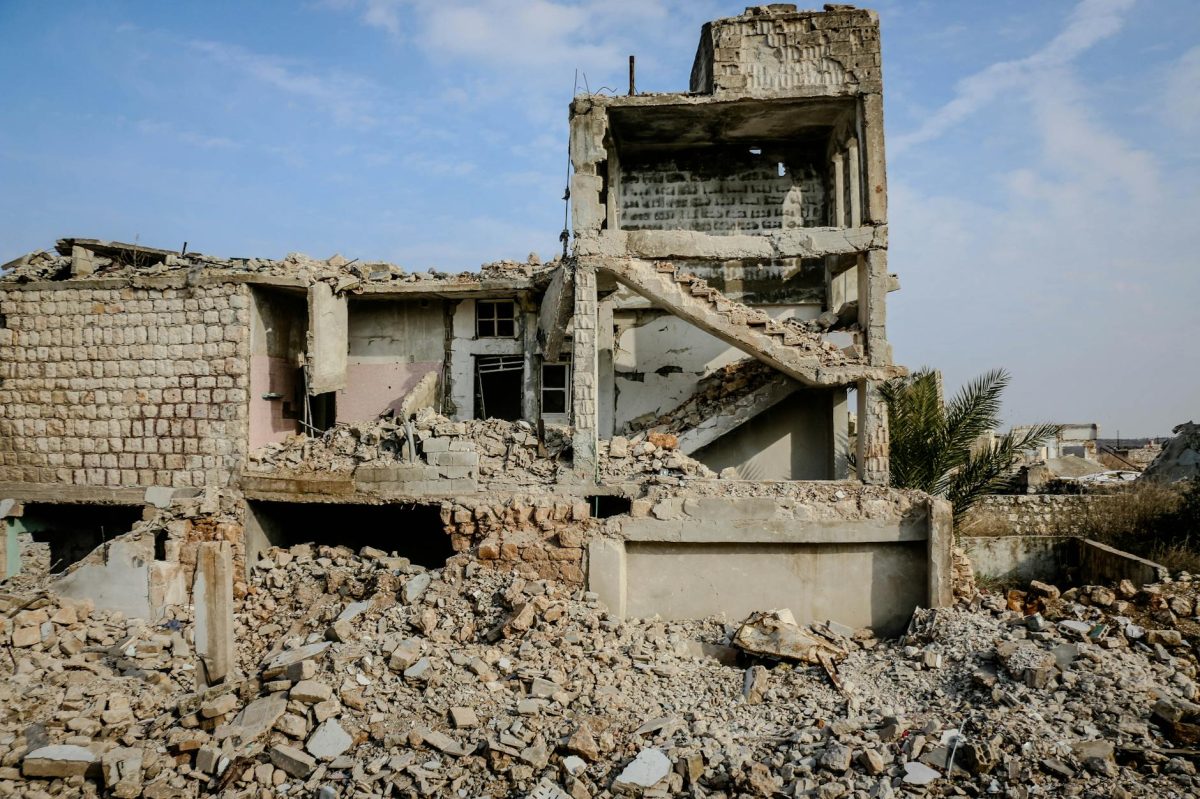
With conflicts escalating globally, knowing how to stay safe in a war zone is crucial for protecting yourself and your loved ones. Whether you're a traveler, a resident, or a humanitarian worker, being prepared is key to survival. In this guide, you'll learn 7 practical ways to stay safe during a conflict zone, from creating an emergency kit to staying informed about local conditions.
Step 1: **Create a Personal Emergency Kit**
Assemble a kit with essentials like food, water, first aid supplies, and a battery-powered radio. Consider packing a portable charger, a flashlight, and a whistle to signal for help. Remember to update your kit every 6 months to ensure it remains relevant and effective. Store it in an easily accessible location, such as a closet or under a bed.
Step 2: **Stay Informed about Local Conditions**
Follow local news and government alerts to stay up-to-date on the latest developments in the conflict zone. Utilize apps like Google News or Apple News to receive timely updates on the situation. Consider creating a group chat with friends and family to stay connected and share information.
Step 3: **Identify Safe Evacuation Routes**
Research potential evacuation routes and identify safe areas to seek shelter. Use online tools like Google Maps or a GPS device to plot your route and avoid congested areas. Consider working with a local guide or mentor to help you navigate the terrain and stay informed about potential dangers.
Step 4: **Develop a Communication Plan**
Establish a communication plan with your loved ones, including a primary and secondary point of contact. Designate a meeting spot in case you get separated, and make sure everyone knows how to reach each other in an emergency. Consider using a messaging app like WhatsApp or Signal to stay connected with your group.
Step 5: **Stay Visible and Aware**
When navigating a conflict zone, stay visible by wearing bright clothing or carrying a reflective vest. Be aware of your surroundings and keep an eye out for potential hazards like landmines or unexploded ordnance. Consider carrying a personal alarm or whistle to deter potential threats.
Step 6: **Build a Support Network**
Connect with local organizations, community groups, or other expats to build a support network. Attend local events or join online forums to stay informed and connected with others who may be facing similar challenges. Consider working with a local guide or mentor to help you navigate the terrain and stay informed about potential dangers.
Step 7: **Stay Flexible and Adaptable**
Conflict zones are unpredictable, and situations can change rapidly. Stay flexible and adaptable by being prepared to adjust your plans at a moment's notice. Consider keeping a backup plan in place, such as a secondary evacuation route or a contingency fund for emergency expenses.
Many people overlook the importance of staying informed about local customs and cultural norms in a conflict zone. Take the time to learn about local traditions and respect for cultural differences can go a long way in avoiding misunderstandings and staying safe.
By following these 7 practical ways to stay safe during a conflict zone, you'll be better equipped to protect yourself and your loved ones in the face of uncertainty. Remember to stay informed, stay visible, and stay flexible – and always prioritize your safety and well-being above all else.