How To Protect Your Ship From Global Conflict Risks In 7 Steps
Follow our expert guide to ensure your vessel's safety in high-risk areas like the Strait of Hormuz
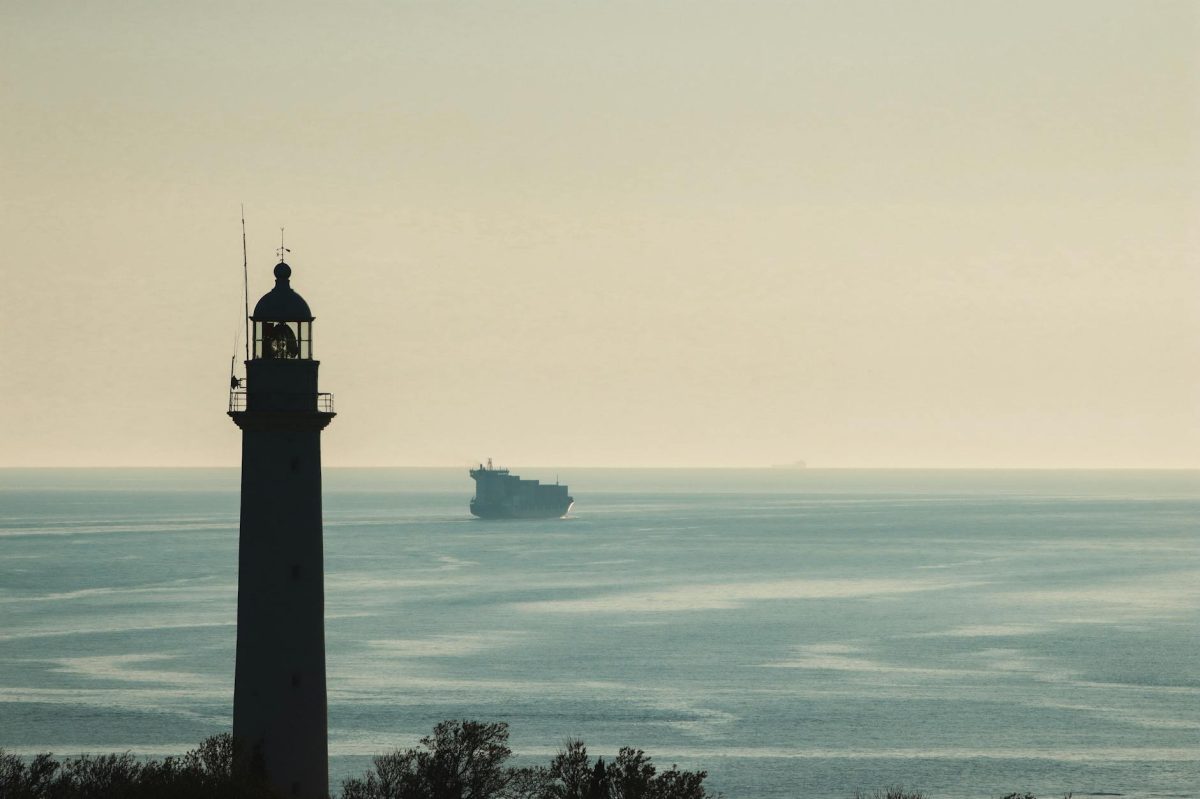
As global tensions rise, navigating high-risk areas like the Strait of Hormuz can be a daunting task. With the US offering guidance to stranded ships, it's essential to know how to protect your vessel from conflict risks. This comprehensive guide will walk you through the 7 steps to ensure your ship's safety and minimize the risks of global conflict.
Step 1: **Assess** Your Route and Destination
Before embarking on your journey, thoroughly research the current situation in the area you're heading to. Check for any travel advisories, conflict reports, and naval activity updates from reputable sources like the US Coast Guard or the Joint Maritime Information Centre. Use online tools like the MarineTraffic or Ship Finder apps to track ship movements and get real-time updates on the situation.
Step 2: **Monitor** Global Conflict Risks and Updates
Stay informed about global conflict risks by following reputable news sources, government advisories, and official naval updates. Use services like the USCG's Alert Notification System or the International Maritime Organization's (IMO) Global Maritime Distress and Safety System (GMDSS) to receive real-time updates on potential conflict zones. Set up notifications on your phone or computer to stay alert and adapt your route accordingly.
Step 3: **Prepare** Your Crew and Vessel for Conflict Scenarios
Ensure your crew is aware of the potential risks and consequences of conflict situations. Conduct regular drills and training exercises to prepare them for emergency situations, such as abandoning ship or responding to naval attacks. Make sure your vessel is equipped with essential safety gear, including life rafts, emergency beacons, and first aid kits.
Step 4: **Choose** Reliable Navigation Tools and Software
Select reputable navigation tools and software that provide accurate and up-to-date information on conflict zones and naval activity. Utilize Electronic Chart Display and Information Systems (ECDIS) like the Navico or Furuno systems, which offer advanced navigation features and real-time updates. Consider investing in a satellite communication device, such as the Iridium or Inmarsat, to stay connected with your crew and receive critical updates.
Step 5: **Develop** a Crisis Management Plan
Create a comprehensive crisis management plan that outlines procedures for emergency situations, including conflict scenarios. Designate a crisis management team to handle situations and communicate with authorities, insurance providers, and other stakeholders. Regularly review and update your plan to ensure it remains effective and aligned with changing global circumstances.
Step 6: **Maintain** Open Communication with Authorities and Stakeholders
Establish and maintain open communication channels with relevant authorities, including the US Coast Guard, local navies, and insurance providers. Provide regular updates on your vessel's location, route, and cargo to ensure transparency and minimize risks. Use secure communication tools like the Signal or WhatsApp apps to exchange sensitive information with your crew and stakeholders.
Step 7: **Review** and Update Your Risk Assessment Regularly
Regularly review and update your risk assessment to reflect changing global circumstances and new information. Analyze your vessel's performance and identify areas for improvement. Adjust your route, crew preparation, and navigation tools accordingly to minimize risks and ensure your vessel's safety in high-risk areas like the Strait of Hormuz.
Don't underestimate the importance of crew training and preparedness. A well-trained crew can make all the difference in emergency situations, and regular drills can help prevent accidents and save lives.
By following these 7 steps, you'll be better equipped to protect your ship from global conflict risks and ensure your crew's safety. Remember to stay informed, prepared, and adaptable to minimize risks and navigate high-risk areas with confidence. Next, consider investing in advanced navigation tools and software to enhance your vessel's safety and performance.