How To Train A Horse Like A Pro In 7 Steps
Learn the skills and techniques to become a successful horse trainer with our expert guide
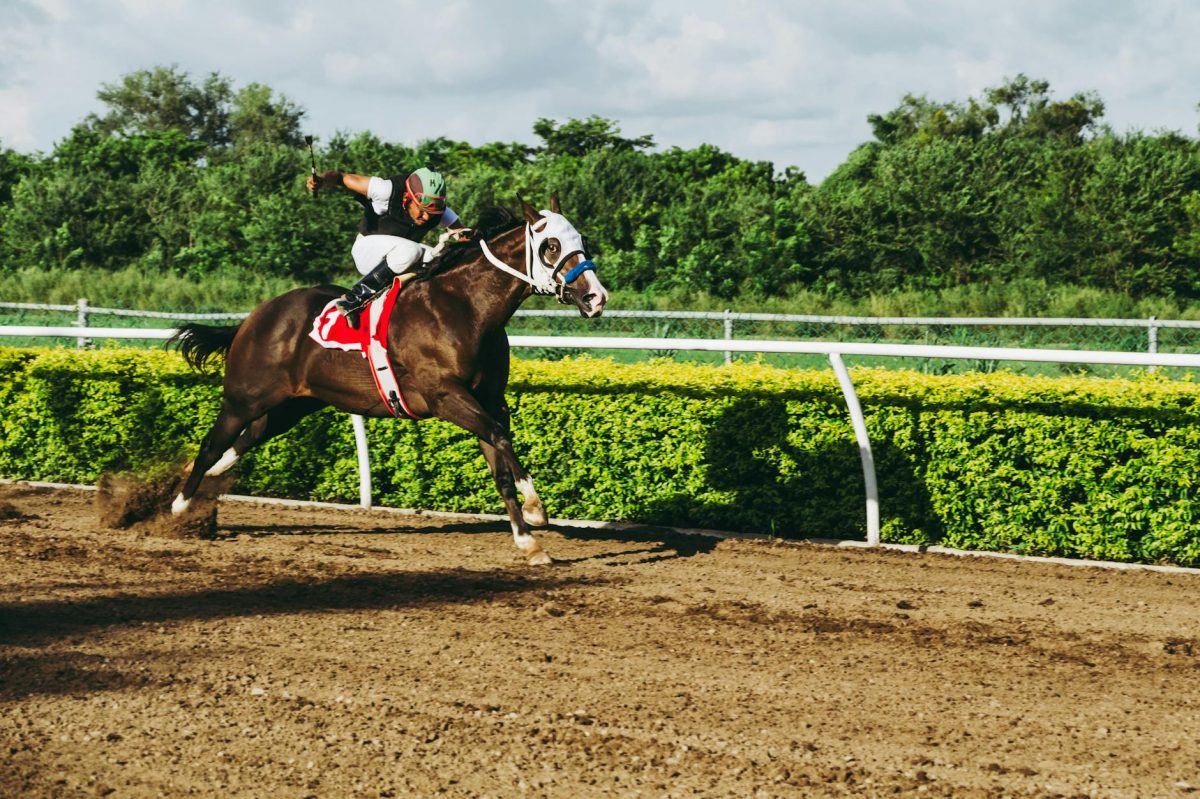
Are you fascinated by the world of horse racing and want to learn how to train a horse like a pro? With the recent success of Cherie DeVaux as the first woman to train a Kentucky Derby winner, it's never been a more exciting time to pursue this career path. In this guide, we'll show you the 7 key steps to becoming a successful horse trainer and making your mark in the equestrian world.
Step 1: **Develop Your Horsemanship Skills**
Begin by learning the fundamentals of horsemanship, including equine behavior, body language, and basic handling techniques. Take a course or work with an experienced trainer to develop your skills and build confidence around horses. Some recommended resources include the Certified Horsemanship Association (CHA) and the Equine Guelph equine education program. Spend at least 10 hours per week practicing and honing your skills.
Step 2: **Learn About Nutrition and Care**
A horse's diet and living conditions play a crucial role in their overall health and performance. Research the best nutrition strategies for your horse, including feed types, supplements, and hydration. You should also learn about horse health issues, such as laminitis and colic, and know how to recognize the signs and symptoms. Utilize online resources like the Equine Science Center or the Cornell University College of Veterinary Medicine for expert advice.
Step 3: **Understand Horse Behavior and Psychology**
Horses are intelligent and social animals, and understanding their behavior and psychology is essential for effective training. Study the principles of positive reinforcement training, and learn how to read your horse's body language and emotions. You can find resources on horse behavior and psychology through organizations like the International Association of Animal Behavior Consultants (IAABC) or the Equine Behavior and Learning Center.
Step 4: **Develop a Training Plan and Set Goals**
Create a comprehensive training plan that outlines your horse's goals, such as competing in horse shows or events. Break down larger goals into smaller, achievable objectives, and prioritize your training sessions accordingly. Use tools like a training log or a spreadsheet to track progress and make adjustments as needed. Set realistic timelines and allocate enough time for rest and recovery.
Step 5: **Choose the Right Equipment and Facilities**
Invest in high-quality equipment, such as a well-fitting saddle and bridle, and ensure your facilities are safe and suitable for horse training. Consider factors like arena size, footing, and accessibility. Consult with experienced trainers or equine professionals to get advice on the best equipment and facilities for your needs and budget.
Step 6: **Join a Community and Network with Other Trainers**
Connect with other horse trainers and enthusiasts through online forums, social media groups, or local riding clubs. Attend workshops, seminars, and competitions to learn from experts and stay updated on the latest techniques and best practices. Joining a community will help you stay motivated, gain valuable insights, and access a network of support and resources.
Step 7: **Continuously Learn and Improve**
The world of horse training is constantly evolving, and it's essential to stay up-to-date with the latest research, techniques, and technologies. Attend workshops, conferences, and online courses to expand your knowledge and skills. Read industry publications, follow equine experts on social media, and stay engaged with online communities to stay informed and inspired.
Many successful horse trainers attribute their success to mentorship and guidance from experienced professionals. Seek out a mentor who can provide valuable insights, support, and encouragement throughout your journey.
By following these 7 steps, you'll be well on your way to becoming a successful horse trainer. Remember to stay committed, persistent, and always willing to learn and improve. With dedication and hard work, you can achieve your goals and make a lasting impact in the equestrian world.