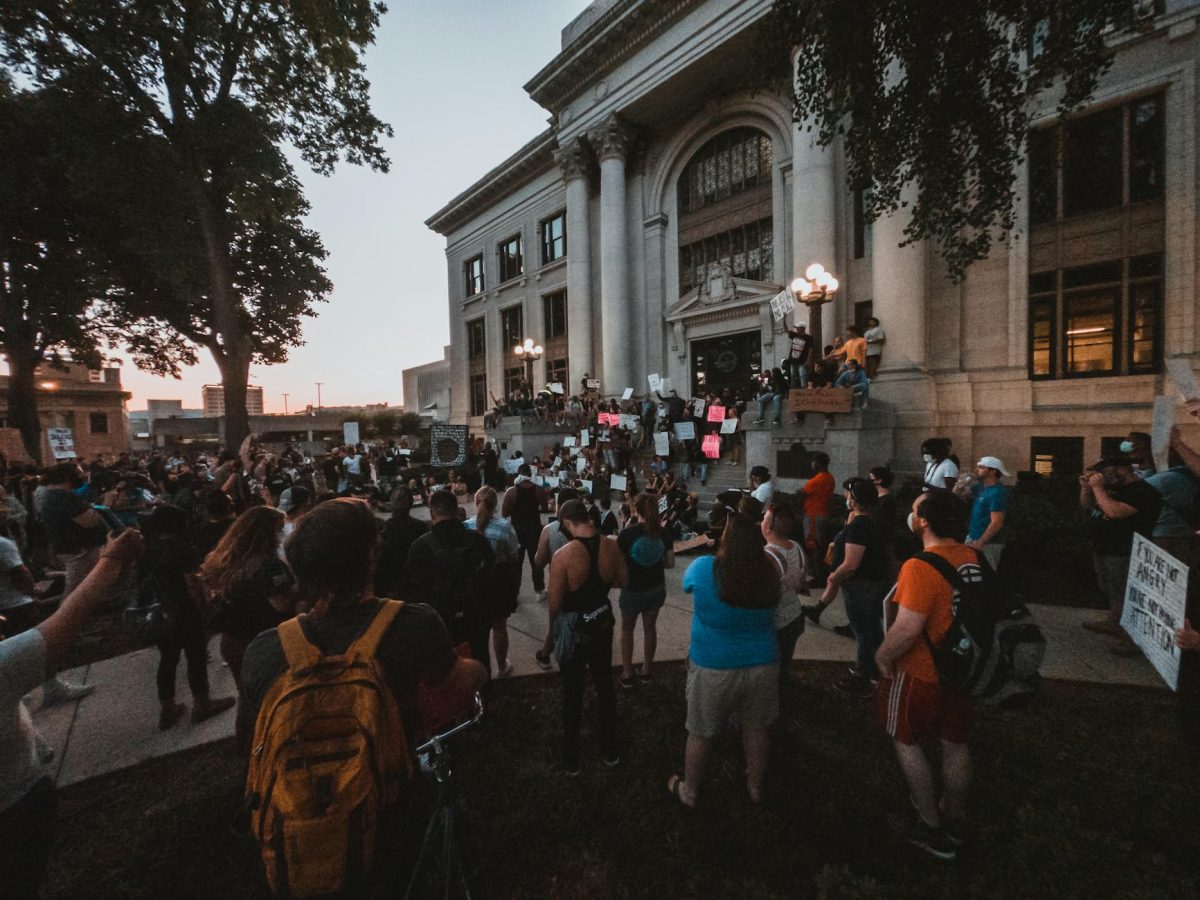
How To Stay Safe During a Political Protest 2026
Learn the best way to protect yourself and your rights when attending a protest in 2026
Attending a political protest can be a powerful way to make your voice heard, but it's also a high-risk activity. With protests becoming increasingly common, it's essential to know how to stay safe and protect your rights. In this guide, you'll learn 7 practical tips to help you navigate a protest safely and effectively.
Step 1: **Research** the Protest
Before attending a protest, research the event thoroughly. Check the protest's social media pages, official website, and local news outlets for information about the protest's location, schedule, and expected turnout. This will help you plan your route, avoid potential flashpoints, and stay informed about any updates or changes. You can use online tools like Google Maps or Eventbrite to stay organized and connected with other attendees.
Step 2: **Understand** Your Rights
Know your rights and the laws surrounding protests in your state or country. Familiarize yourself with local ordinances, such as noise restrictions or permits required for certain activities. Understanding your rights and responsibilities will help you stay safe and avoid unnecessary conflicts with law enforcement. You can use resources like the American Civil Liberties Union (ACLU) or local advocacy groups to learn more about your rights.
Step 3: **Wear** Protective Gear
Wearing protective gear can help prevent injuries and identify yourself as a peaceful protester. Bring a face mask, goggles, and sturdy shoes to protect yourself from tear gas, pepper spray, or other potential hazards. You can also wear bright or reflective clothing to make yourself more visible to police and other protesters.
Step 4: **Stay** Informed
Stay informed about the protest's progress and any updates or changes. Follow local news outlets, social media, and official protest channels to stay up-to-date on any developments. This will help you stay safe and avoid getting caught off guard by unexpected events. You can use apps like Twitter or Facebook to stay connected with other protesters and receive real-time updates.
Step 5: **Bring** Essential Items
Bring essential items like water, snacks, and a first-aid kit to stay comfortable and healthy during the protest. You should also bring a phone charger, portable power bank, and other necessary electronics to keep your devices powered up. Consider packing a small backpack or bag with these essentials to keep your hands free and stay organized.
Step 6: **Follow** Orders
If instructed by law enforcement, follow their orders and instructions. Stay calm and composed, even if you disagree with the police's actions or decisions. Remember that your safety is the top priority, and following orders can help prevent conflicts and ensure a peaceful resolution. You can use resources like the National Lawyers Guild or local advocacy groups to learn more about your rights and responsibilities during a protest.
Step 7: **Document** the Event
Document the event by taking photos, videos, or notes to capture evidence of any incidents or potential human rights abuses. Use social media or online platforms to share your documentation and raise awareness about the protest's issues and concerns. Be sure to follow local laws and regulations when documenting the event to avoid any potential consequences. You can use apps like Instagram or Facebook to share your documentation and connect with other protesters and advocates.
When documenting the event, prioritize your safety and the safety of others. Avoid putting yourself or others in harm's way to capture evidence or footage.
By following these 7 practical tips, you'll be better equipped to stay safe and protect your rights during a political protest. Remember to always prioritize your safety and the safety of others, and be mindful of your surroundings and the protesters around you. Stay informed, stay organized, and stay safe!