How To Stay Safe At Public Protests 2026
Protect Yourself from Potential Risks with These 7 Essential Steps
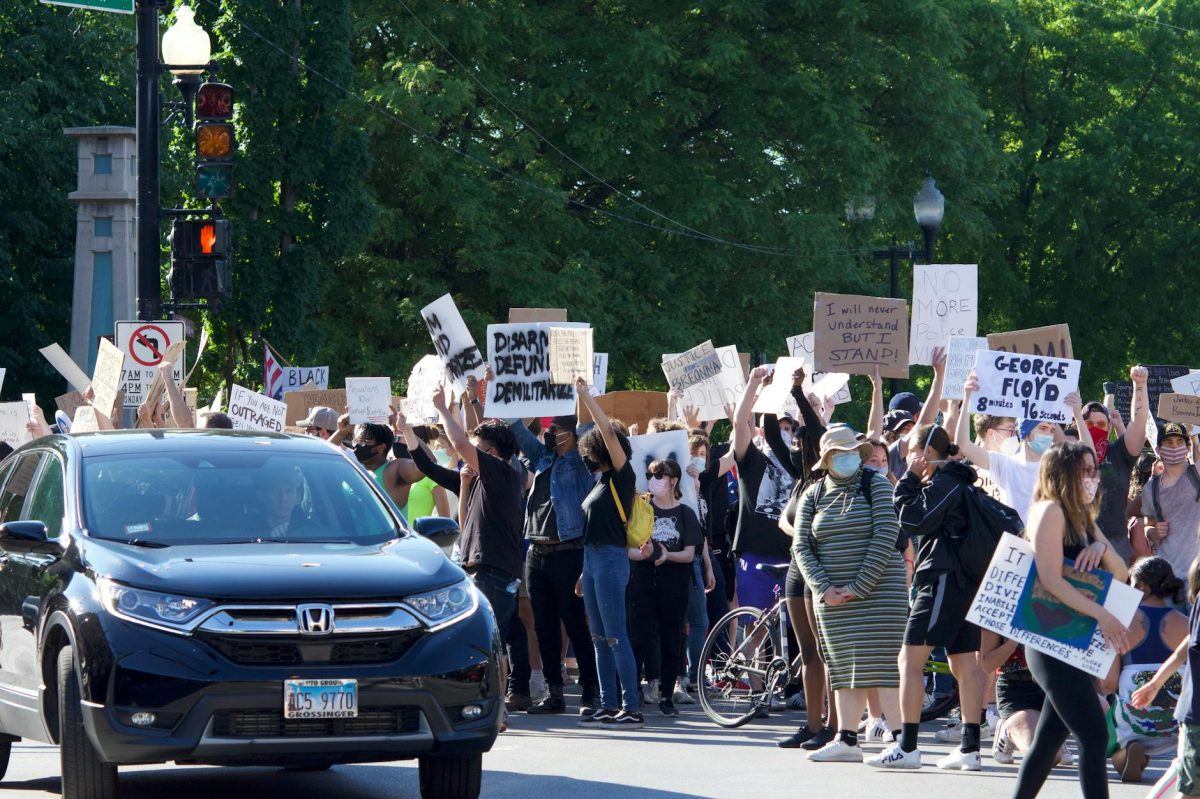
As the world grapples with increasing tensions and protests worldwide, it's essential to prioritize your safety when participating in public gatherings. With the recent call for a temporary ban on pro-Palestine marches, it's more crucial than ever to be aware of the potential risks and take necessary precautions. In this guide, you'll learn how to stay safe at public protests with these 7 actionable steps. Difficulty: Intermediate | Time Required: 1 week
Step 1: **Research** the Event and Location
Before attending a public protest, research the event and location thoroughly. Use online platforms like Facebook or Eventbrite to gather information about the protest, including the route, start time, and expected turnout. Be cautious of fake or misleading information and verify the credibility of the sources. You can also use online maps like Google Maps to familiarize yourself with the area and identify potential escape routes.
Step 2: **Stay Informed** about Local Laws and Regulations
Familiarize yourself with local laws and regulations regarding public protests. Check the official government website or contact the local authorities to understand any specific rules or restrictions. This will help you avoid any potential conflicts or fines. For instance, in some cities, protests may require a permit or have specific noise restrictions.
Step 3: **Wear Protective Gear**
Wear protective gear like a helmet, goggles, and gloves to safeguard yourself from potential injuries. Consider wearing clothing that covers your skin and face to protect against pepper spray or other irritants. You can also bring a face mask or respirator to protect yourself from airborne pollutants. For example, you can purchase a gas mask online or at a local outdoor gear store.
Step 4: **Stay Connected** with Fellow Protesters and Emergency Services
Stay connected with fellow protesters and emergency services through a reliable communication channel like a two-way radio or a messaging app like WhatsApp. This will enable you to coordinate with others, receive updates, and seek help in case of an emergency. Make sure to share your contact information with a trusted friend or family member in case of an emergency.
Step 5: **Identify Potential **Hazards**
Identify potential hazards like police barricades, water cannons, or pepper spray. Be aware of the surroundings and avoid areas that may pose a risk to your safety. Use online resources like protest maps or social media to gather information about the event and avoid potential hotspots. For instance, you can use a protest map online to identify areas with a high police presence.
Step 6: **Plan an **Escape Route**
Plan an escape route in advance, identifying potential exits and safe zones. Consider alternative routes and escape routes in case of an emergency. Use online tools like Google Maps or a GPS device to plan your route and track your location. You can also bring a whistle or other signaling device to alert others in case of an emergency.
Step 7: **Stay **Alert** and Aware**
Stay alert and aware of your surroundings at all times. Be mindful of your body language and avoid engaging with potential threats. Use your sense of awareness to detect potential hazards and stay one step ahead. For example, you can practice situational awareness by paying attention to your environment and trusting your instincts.
Expert Insight: Consider attending a protest with a group of friends or like-minded individuals to increase your safety and support network. This can also help you stay accountable and ensure that everyone is aware of the potential risks and safety protocols.
By following these 7 essential steps, you'll be better equipped to stay safe at public protests. Remember to stay informed, wear protective gear, and identify potential hazards. With these tips, you'll be able to navigate even the most challenging protest situations with confidence. Next step: research local laws and regulations regarding public protests.