How To Protect Yourself In Emergency Situations: A 7 Step Guide
Learn how to stay safe in unexpected events like security breaches at high-profile gatherings
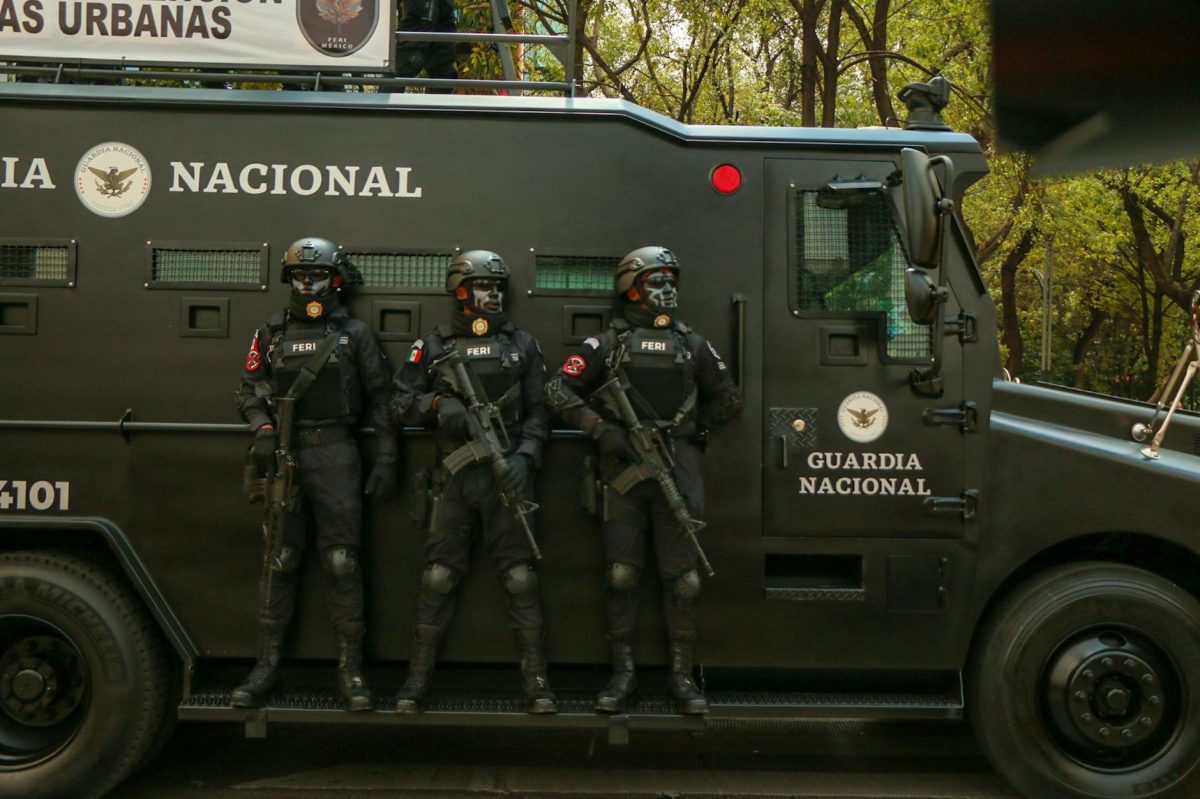
You never know when an emergency situation will strike, but being prepared can make all the difference. In light of recent high-profile security breaches, it's more important than ever to know how to protect yourself in emergency situations. This guide will walk you through 7 simple steps to stay safe and informed, whether you're attending a black-tie event or just going about your daily life.
Step 1: **Stay Informed** About Potential Risks
Stay up-to-date with local news and event information to anticipate potential risks. Follow trusted sources like news websites, social media, and official event apps to stay informed. For instance, you can use the News Feed feature on Telegram to stay updated on local news and events. Set up custom alerts for specific keywords or locations to receive timely notifications.
Step 2: Know Your Surroundings
Take note of the event layout, including exits, emergency services, and potential hiding spots. Familiarize yourself with the location's security protocols, including where security personnel are stationed and any secure areas. Use a mapping app like Google Maps to familiarize yourself with the venue's layout before the event.
Step 3: Keep Your Valuables Secure
Keep your personal belongings, such as phones, wallets, and purses, secure and within arm's reach. Consider using a secure bag or wallet with RFID-blocking material to prevent identity theft. For added protection, consider using a credit monitoring service like LifeLock to track any suspicious activity on your accounts.
Step 4: Be Aware of Your Body Language
Maintain a safe distance from strangers and avoid engaging in conversations with suspicious individuals. Practice assertive body language, such as maintaining eye contact and standing up straight, to deter potential threats. If you feel uncomfortable or threatened, trust your instincts and remove yourself from the situation.
Step 5: Have a **Communication Plan** in Place
Designate a meeting spot with family or friends in case you get separated during an emergency. Make sure everyone has a working phone with a charged battery and a backup power source, such as a portable charger. Use a messaging app like WhatsApp to communicate with your group and stay updated on each other's status.
Step 6: Know Basic Self-Defense Techniques
Take a self-defense course or online tutorial to learn basic techniques, such as de-escalation and physical defense. Familiarize yourself with local laws regarding self-defense and understand your rights in emergency situations. Use online resources like the Rape, Abuse & Incest National Network (RAINN) to learn about self-defense techniques and strategies.
Step 7: Create a **Emergency Kit**
Assemble a portable emergency kit with essentials like a first-aid kit, water, non-perishable snacks, and a flashlight. Consider adding a whistle, pepper spray, or other non-lethal self-defense tools to your kit. Store your kit in an easily accessible location, such as a backpack or purse, to be prepared in case of an emergency.
Remember, prevention is key. Trust your instincts and remove yourself from situations that make you feel uncomfortable or threatened.
By following these 7 steps, you'll be better equipped to handle emergency situations like security breaches or other unexpected events. Stay informed, be aware of your surroundings, and have a plan in place to protect yourself and those around you. Remember, your safety is worth it.