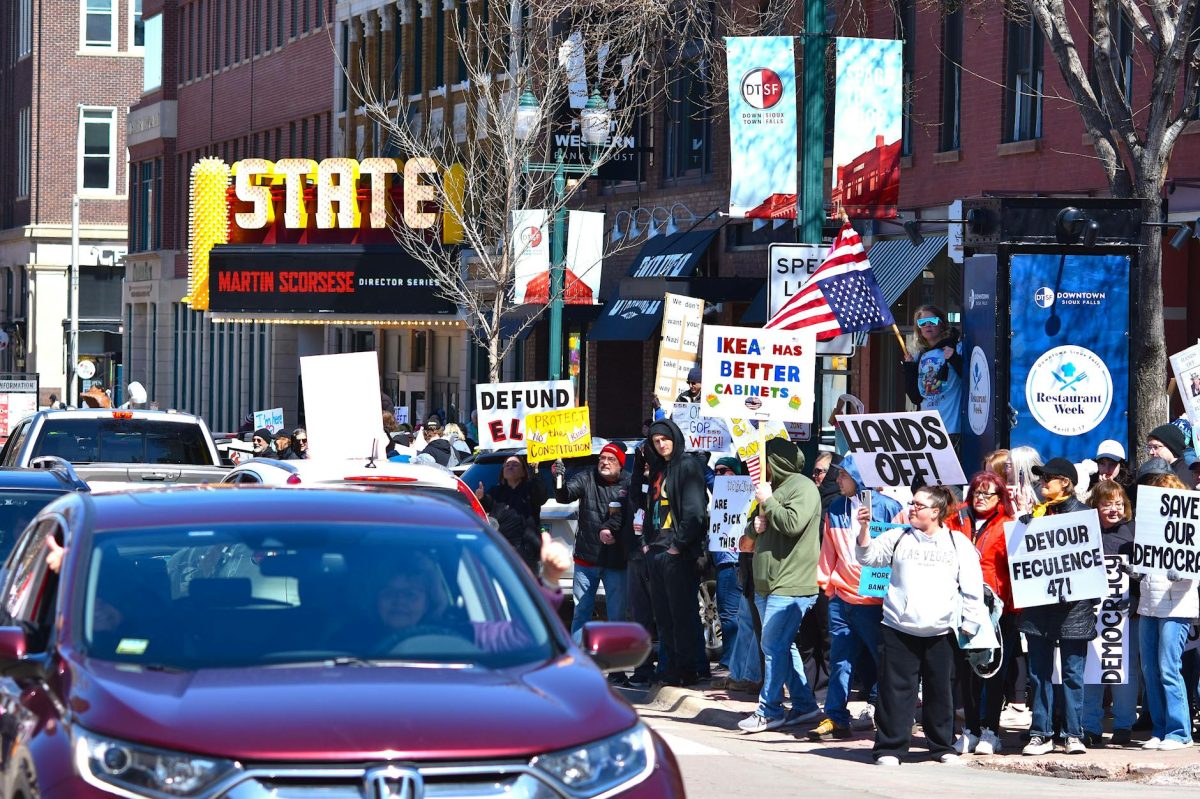
How To Protect Journalists From Harassment and Prosecution in 7 Steps
Learn the best ways to safeguard your freedom of speech and prevent unjust imprisonment like Andrzej Poczobut's case
As the recent Andrzej Poczobut case highlights, journalists face increasing threats to their safety and freedom worldwide. Knowing how to protect yourself from harassment and prosecution is crucial for maintaining a free press. This guide will walk you through 7 practical steps to safeguard your rights and prevent unjust imprisonment.
Step 1: Research and Understand Your Local Laws and Regulations
Familiarize yourself with the laws and regulations in your country or region regarding press freedom, defamation, and harassment. Understand the definitions and penalties for each offense, as well as the procedures for reporting and appealing. Consult local resources such as the Ministry of Justice or a press freedom organization for guidance. You can also use online tools like the Committee to Protect Journalists' (CPJ) Press Freedom Tracker to stay updated on local conditions.
Step 2: Use Secure Communication Channels and Tools
Utilize secure communication channels like Signal, WhatsApp, or Telegram to protect your conversations and data. Consider using a Virtual Private Network (VPN) to encrypt your online activities and maintain your anonymity. For added security, use a password manager like LastPass or 1Password to generate complex passwords and store them safely. Don't forget to update your software and apps regularly to prevent exploitation of known vulnerabilities.
Step 3: Monitor Your Online Presence and Reputation
regularly monitor your online presence to detect any potential threats or defamation campaigns. Use tools like Google Alerts or Hootsuite to track your mentions and respond promptly to any negative or harassing content. Consider engaging with a reputation management service to help you identify and mitigate online risks. Don't underestimate the importance of maintaining a positive online reputation, as it can significantly impact your credibility and security.
Step 4: Build a Support Network and Community
Connect with fellow journalists, human rights activists, and supporters who can offer guidance, resources, and emotional support. Join online forums or social media groups focused on press freedom and journalist protection. Attend workshops, conferences, and events that promote press freedom and exchange best practices with your peers. Building a strong support network can provide you with a safety net in times of crisis.
Step 5: Stay Informed About Local and International Developments
Stay updated on local and international news related to press freedom, human rights, and journalist protection. Follow reputable sources like the CPJ, Amnesty International, and the International Press Institute (IPI) to stay informed about global trends and best practices. Don't miss out on essential reports and publications that can help you navigate complex issues and identify potential threats.
Step 6: Develop a Crisis Response Plan and Emergency Fund
Create a crisis response plan that outlines your emergency contact information, safe houses, and evacuation procedures. Establish an emergency fund to cover unexpected expenses related to your safety, such as relocation or legal fees. Consider partnering with a human rights organization that can provide you with rapid response assistance in case of an emergency.
Step 7: Advocate for Press Freedom and Human Rights
Use your platform as a journalist to raise awareness about press freedom and human rights issues. Write op-eds, create video content, or produce podcasts that highlight the importance of a free press and the risks faced by journalists. Engage with your audience and mobilize support for press freedom initiatives. By amplifying the voices of fellow journalists and human rights defenders, you can contribute to creating a safer and more just environment for all.
Don't underestimate the importance of mental health support in times of crisis. Consider seeking professional help or connecting with a therapist who can provide you with emotional support and guidance.
By following these 7 steps, you can significantly reduce the risks associated with harassment and prosecution, ensuring the protection of your freedom of speech and safety as a journalist. Remember to stay vigilant, informed, and connected to your support network to maintain a strong defense against threats. Take the next step by sharing this guide with fellow journalists and advocating for press freedom in your community.