How To Prepare For A Tsunami Disaster: The 7 Tips
Learn the essential steps to safeguard your life and property in the event of a tsunami warning
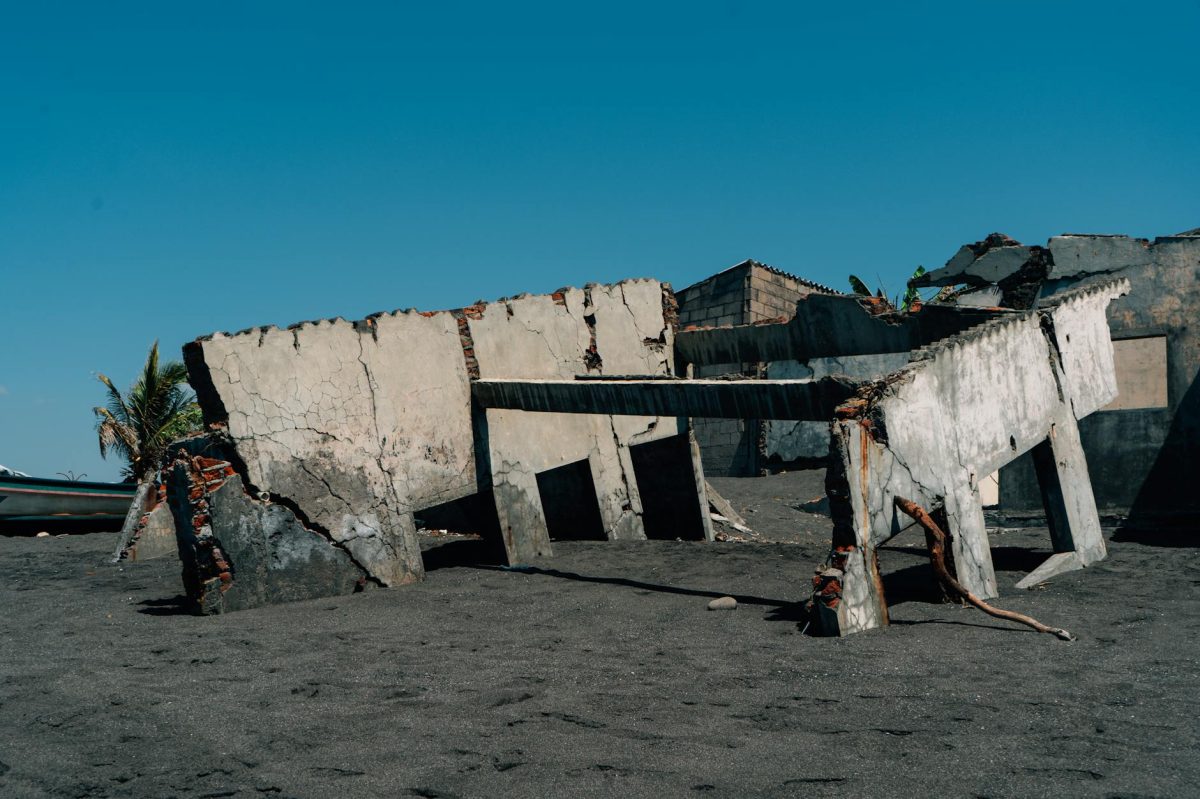
A tsunami can strike without warning, but being prepared can save lives. With the recent 5-year anniversary of the Japan tsunami, it's essential to know how to respond in case of a disaster. This guide will walk you through the 7 essential steps to prepare for a tsunami and keep you and your loved ones safe.
Step 1: **Create An Emergency Evacuation Plan**
Develop a family emergency plan that includes a safe evacuation route, a meeting point, and a contact person. Identify safe zones in your area, such as higher ground or a designated tsunami shelter. Make sure all family members know the plan and practice it regularly. You can use online tools like FEMA's Household Emergency Plan to create a customized plan.
Step 2: Know Your Tsunami Warning Systems
Understand the different types of tsunami warnings, such as sirens, text messages, or social media alerts. Familiarize yourself with your local emergency management agency's warning systems and protocols. Keep a battery-powered radio or a NOAA Weather Radio on hand to stay informed during an emergency. You can also use apps like Tsunami Alert to receive real-time alerts.
Step 3: **Stock An Emergency Kit**
Assemble a disaster supply kit with essentials like non-perishable food, water, first aid supplies, and a battery-powered flashlight. Consider including a whistle, a dust mask, and a warm blanket. Make sure to check the expiration dates of food and water supplies and replace them as needed. You can use online resources like the American Red Cross's Emergency Kit Checklist to ensure you have everything you need.
Step 4: Secure Your Home
Board up windows and doors to prevent damage from wind-borne debris. Trim trees and shrubs to minimize falling branches. Consider installing storm shutters or impact-resistant doors. You can also use products like StormShield to protect your home's windows and doors.
Step 5: **Stay Informed About Tsunami Risks**
Research tsunami-prone areas in your region and understand the geological factors that contribute to tsunami risk. Familiarize yourself with local tsunami warning systems and emergency procedures. Stay up-to-date with the latest research and warnings from reputable sources like the National Oceanic and Atmospheric Administration (NOAA) and the United States Geological Survey (USGS). You can use online resources like the Tsunami Website to stay informed.
Step 6: **Practice Tsunami Drills**
Regularly practice your emergency evacuation plan with your family, including simulated tsunami drills. This will help you respond quickly and effectively in the event of a real emergency. You can also participate in community-wide drills and exercises to stay prepared. Make sure to document your drills and review them regularly to identify areas for improvement.
Step 7: Stay Resilient
After a tsunami disaster, it's essential to stay resilient and focused on recovery. Connect with your community and support each other through this challenging time. Consider volunteering or participating in disaster relief efforts to help others. Remember that recovery takes time, and it's essential to prioritize your physical and emotional well-being. You can use online resources like the National Alliance on Mental Illness (NAMI) to access support and resources.
Don't underestimate the importance of mental preparation. Tsunamis can be traumatic events, and it's essential to prioritize your mental health and well-being. Consider seeking professional help if you're struggling with anxiety or PTSD symptoms.
By following these 7 essential steps, you'll be better prepared to respond to a tsunami disaster and keep yourself and your loved ones safe. Remember to stay informed, practice drills, and prioritize your mental well-being. Take action today and develop your emergency plan to protect yourself and your community.