How To Uncover Hidden Truths in Small Town Mysteries in 7 Steps
A practical guide to investigating unexplained events and separating fact from fiction in your community
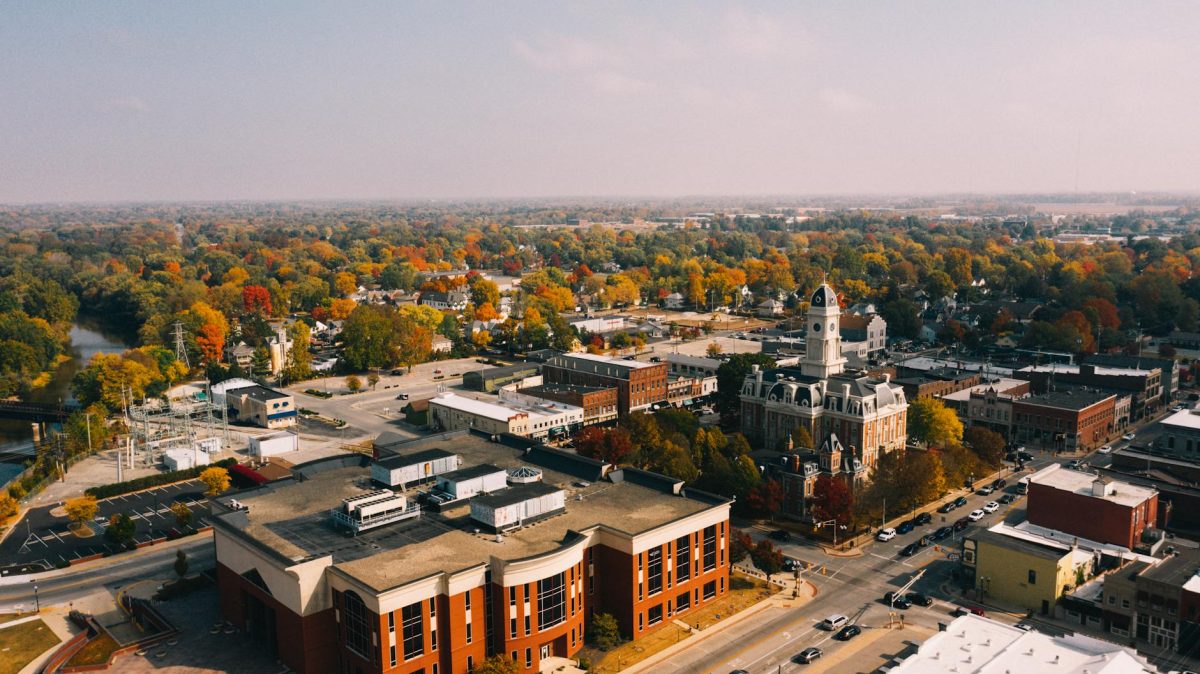
Have you ever encountered a series of unexplained events in your small town that left you wondering what's really going on? In this guide, we'll walk you through the steps to uncover the truth and separate fact from fiction. By the end of this article, you'll have a solid understanding of how to investigate and analyze the situation, and make informed decisions about what to believe.
Step 1: **Gather Information** from Local Sources
Start by talking to local residents, business owners, and community leaders to gather information about the unexplained events. Use social media platforms like Facebook and Twitter to join local discussions and gather news articles and eyewitness accounts. Don't rely solely on online sources – visit the local library, police station, and town hall to collect physical records and speak with authorities. This step may take around 2 hours, depending on the size of your community and the number of sources you need to contact.
Step 2: **Verify Eyewitness Accounts** through Corroboration
When collecting eyewitness accounts, look for corroboration from multiple sources before accepting an event as fact. Check if multiple people have reported the same event, and if any of them have video or photo evidence. Use tools like Google Maps to locate the scene of the event and check if there are any inconsistencies in the accounts. This step may take around 3 hours, depending on the number of eyewitness accounts you need to verify.
Step 3: **Analyze Physical Evidence** and Look for Patterns
Examine any physical evidence, such as photographs, videos, or objects, to look for patterns and inconsistencies. Use tools like Adobe Photoshop or GIMP to analyze images and see if they've been manipulated. Look for any common features or symbols that may be connected to the unexplained events. This step may take around 2 hours, depending on the number of physical evidence items you need to analyze.
Step 4: **Consult Local Experts** and Seek Their Opinions
Reach out to local experts, such as historians, scientists, or law enforcement officials, to get their opinions on the unexplained events. Use their expertise to provide context and insights into the events. This step may take around 2 hours, depending on the number of experts you need to consult.
Step 5: **Use Online Resources** to Research and Investigate
Use online resources like Wikipedia, online encyclopedias, and academic journals to research and investigate the unexplained events. Look for any connections between the events and national or international events. Use tools like Google Scholar to search for academic papers and research studies related to the topic. This step may take around 4 hours, depending on the amount of research you need to conduct.
Step 6: **Identify Biases and Conflicts of Interest**
Be aware of any biases or conflicts of interest that may be influencing your investigation. Look for any potential conflicts of interest among the eyewitnesses, experts, or online sources you're using. Use tools like the Media Bias/Fact Check website to evaluate the credibility of online sources. This step may take around 2 hours, depending on the number of sources you need to evaluate.
Step 7: **Draw Conclusions and Share Your Findings**
After gathering and analyzing all the information, draw conclusions about the unexplained events and share your findings with the community. Use tools like social media or a blog to share your results and encourage others to share their own experiences and insights. This step may take around 2 hours, depending on the format you choose to use and the amount of writing involved.
One expert insight most people overlook is the importance of considering the potential motivations of the individuals involved in the unexplained events. Be aware of any potential biases or agendas that may be influencing their accounts, and try to separate fact from fiction accordingly.
By following these 7 steps, you'll be well-equipped to investigate and analyze the unexplained events in your small town. Remember to stay objective, consider multiple perspectives, and always verify information before coming to any conclusions. The next step is to put your new skills into practice and start investigating the mysteries in your community.