How To Prevent Weight Regain After Menopause in 7 Steps
Discover a Proven Guide to Maintaining a Healthy Weight in Midlife and Beyond
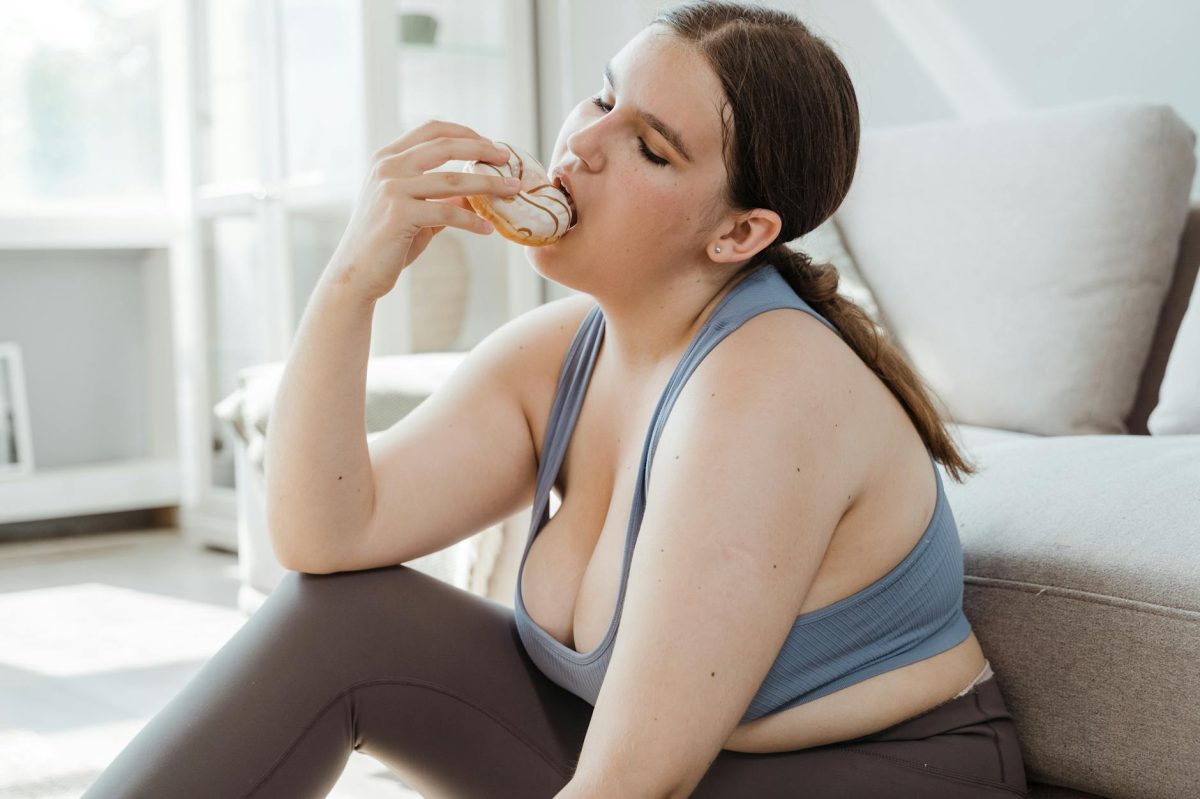
Are you struggling to maintain your weight after menopause? A new study reveals that postmenopausal white women with a genetic risk of obesity can regain weight two times faster than others. Learn the 7 essential steps to prevent weight regain and maintain a healthy weight in midlife and beyond.
Step 1: **Get Tested for Genetic Obesity Risk**
Schedule a genetic test to assess your risk of obesity. You can opt for a direct-to-consumer test like 23andMe or consult your doctor to prescribe a more comprehensive test. Once you receive your results, discuss them with a healthcare professional to understand your specific risks and develop a personalized plan.
Step 2: **Eat a Balanced Diet with More Protein**
Focus on consuming whole, unprocessed foods, including lean proteins, healthy fats, and complex carbohydrates. Aim for 0.8-1 gram of protein per pound of body weight from sources like poultry, fish, and legumes. You can use the IIFYM (If It Fits Your Macros) app to track your daily protein intake and ensure you're meeting your needs.
Step 3: **Incorporate Resistance Training**
Engage in weightlifting exercises 2-3 times a week to build muscle mass and boost your metabolism. Focus on compound exercises like squats, deadlifts, and bench press. You can use a workout app like Nike Training Club or consult a personal trainer to create a customized program.
Step 4: **Get Enough Sleep and Practice Stress Management**
Aim for 7-9 hours of sleep each night and prioritize stress-reducing activities like yoga, meditation, or deep breathing exercises. Use the Calm app or Headspace to guide you through relaxation techniques and improve your sleep quality.
Step 5: **Monitor Your Weight and Progress Regularly**
Weigh yourself once a week, and track your measurements and body fat percentage. Use a weight loss app like MyNetDiary or Lose It to monitor your progress and stay motivated. Set realistic goals and celebrate small victories along the way.
Step 6: **Stay Hydrated and Reduce Sugar Intake**
Drink at least 8 cups (64 ounces) of water each day and limit your sugar intake to less than 10% of your daily caloric needs. Use a hydration app like Waterlogged or a food diary to track your sugar consumption and stay on track.
Step 7: **Seek Support from a Healthcare Professional**
Consult with a registered dietitian or a healthcare provider to develop a personalized weight management plan. They can help you set realistic goals, provide guidance on nutrition and exercise, and offer support throughout your journey. Use online resources like the Academy of Nutrition and Dietetics to find a professional in your area.
Don't forget to address underlying hormonal imbalances, particularly estrogen deficiency, which can contribute to weight gain after menopause. Consult with your healthcare provider about hormone replacement therapy (HRT) or other options to alleviate symptoms.
By following these 7 steps, you can take control of your weight and maintain a healthy weight in midlife and beyond. Remember to be patient, stay consistent, and celebrate small victories along the way. Don't wait – start your journey today and take the first step towards a healthier, happier you.