How To Understand Your Hormones Without Relying on Wearable Devices
A 5-Step Guide to Accurate Hormone Tracking in 2026
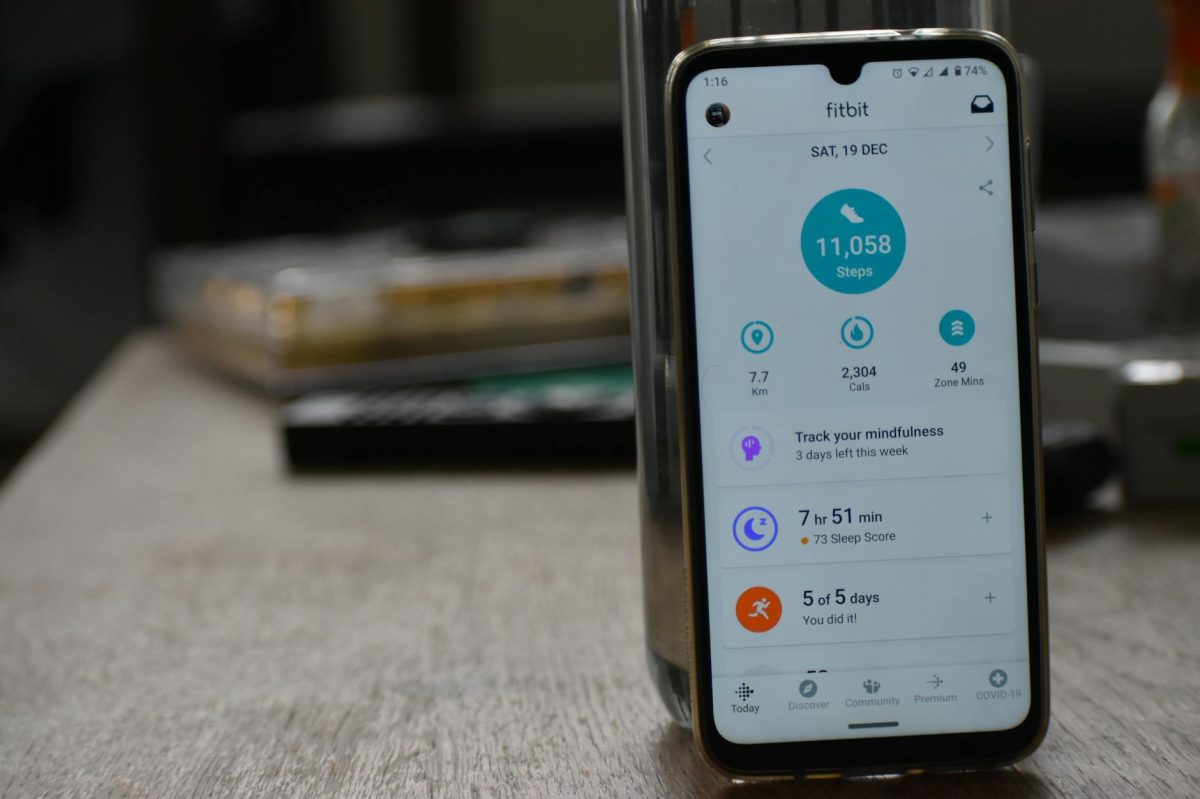
With the rise of wearable devices claiming to measure hormone levels, it's essential to understand the limitations and find reliable alternatives. Misleading data can have serious consequences on your health and well-being. In this guide, you'll learn how to accurately track your hormones without relying on wearable devices.
Step 1: Educate Yourself on Hormone Types and Functions
Start by learning about the different types of hormones, such as testosterone, estrogen, and cortisol. Understand their roles in your body, including their impact on your mood, energy levels, and metabolism. Websites like the American Hormone Council (AHC) and the Hormone Health Network provide reliable information on hormone types and their functions. Take 30 minutes to read through their resources and take notes on key points.
Step 2: Choose a Reliable Blood Test Provider
Look for a reputable blood test provider that offers comprehensive hormone testing. Companies like LabCorp and Quest Diagnostics provide accurate hormone testing results. Research their services, pricing, and insurance coverage. Take 45 minutes to compare providers and choose the best one for your needs.
Step 3: Prepare for Your Blood Test
To ensure accurate results, follow the blood test provider's instructions on preparing for the test. This may include fasting, avoiding certain medications, or abstaining from exercise. Allow 30 minutes to prepare for the test and ensure you have any necessary documentation.
Step 4: Analyze Your Test Results
Once you receive your test results, consult with a healthcare professional to interpret them. They can help you understand your hormone levels and identify any imbalances. Take 60 minutes to review your results and discuss them with your healthcare provider.
Step 5: Develop a Hormone Balance Plan
Based on your test results, work with your healthcare provider to create a plan to balance your hormone levels. This may involve lifestyle changes, supplements, or medications. Allow 1 hour to discuss your plan and create an action plan for achieving hormone balance.
Don't rely solely on at-home hormone tests, as they may not provide accurate results. Always consult with a healthcare professional for reliable hormone tracking and diagnosis.
By following these steps, you'll gain a deeper understanding of your hormones and learn how to accurately track them without relying on wearable devices. Take control of your hormone health and work towards achieving balance and wellness. Schedule a follow-up appointment with your healthcare provider to monitor your progress.