How To Prepare For Oil Price Volatility in 2026
Stay Ahead of Market Fluctuations with These 5 Essential Steps
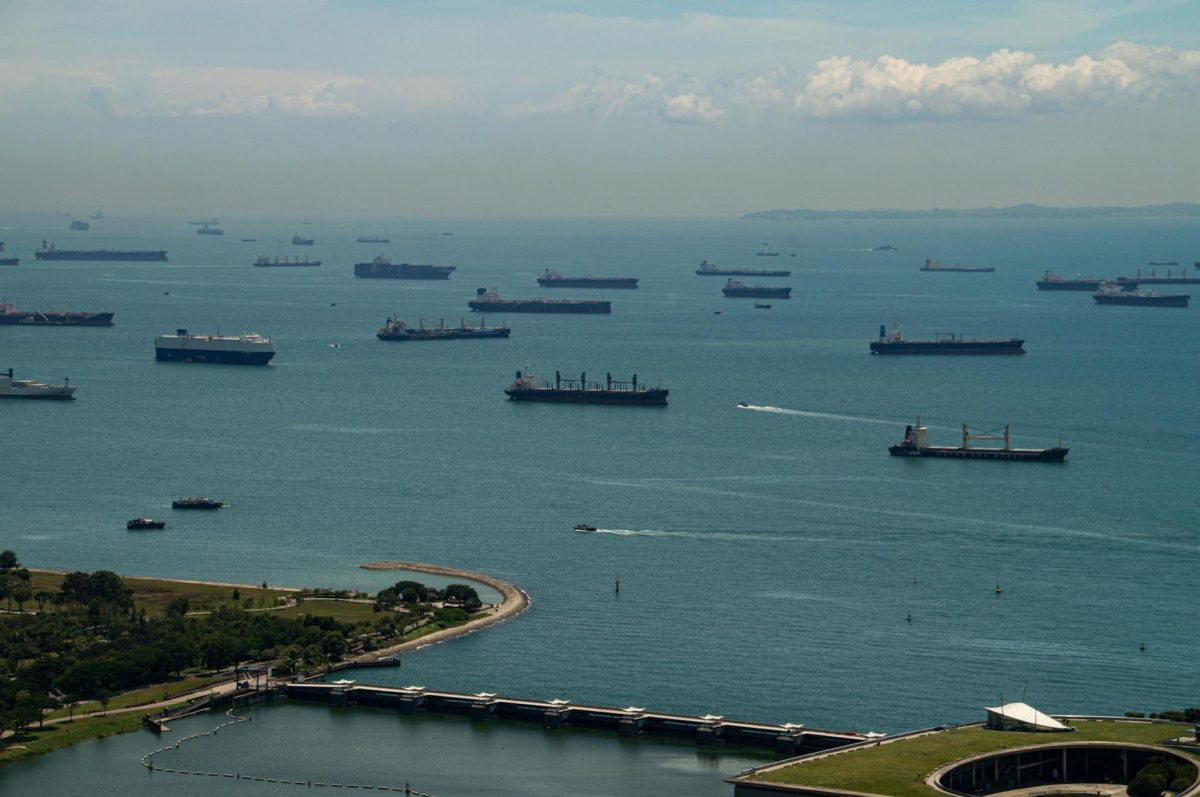
Oil price volatility has left many investors wondering how to protect their portfolios. As tensions between the US and Iran continue to escalate, it's essential to understand the risks and take proactive steps to safeguard your finances. In this guide, you'll learn how to prepare for oil price volatility and make informed investment decisions in uncertain times.
Step 1: **Diversify** Your Investment Portfolio
To mitigate the risks of oil price volatility, it's crucial to diversify your investment portfolio. Consider allocating a portion of your portfolio to sectors that are less correlated with oil prices, such as technology, healthcare, or renewable energy. You can use online investment platforms like Vanguard or Fidelity to explore low-cost index funds and ETFs. Allocate at least 20% of your portfolio to defensive stocks, such as consumer staples or utilities.
Step 2: **Monitor** Global Market News and Trends
Stay informed about global market news and trends by following reputable sources, such as Bloomberg, Reuters, or The Wall Street Journal. You can also use news aggregators like Google News or Apple News to stay up-to-date on the latest developments. Set up alerts for key economic indicators, such as crude oil prices, inflation rates, or GDP growth.
Step 3: **Analyze** Oil Price Charts and Historical Data
Develop a thorough understanding of oil price charts and historical data by using online tools like TradingView or Quandl. These platforms provide access to real-time and historical oil price data, allowing you to identify trends, patterns, and correlations. Use this information to inform your investment decisions and adjust your portfolio accordingly.
Step 4: **Hedge** Against Oil Price Risks with Options or Futures
Consider using options or futures contracts to hedge against oil price risks. These financial instruments allow you to bet on the direction of oil prices, providing a potential offset to losses in your portfolio. Use online trading platforms like TD Ameritrade or Interactive Brokers to explore options and futures trading. Start with a small position size and gradually increase it as you gain experience.
Step 5: **Review** and Rebalance Your Portfolio Regularly
Regularly review and rebalance your portfolio to ensure it remains aligned with your investment goals and risk tolerance. Use online portfolio management tools like Personal Capital or NerdWallet to track your investments and identify areas for improvement. Adjust your portfolio as needed to maintain an optimal asset allocation and minimize exposure to oil price volatility.
Many investors overlook the importance of tax-loss harvesting, which can help reduce tax liabilities and increase investment returns. Consider using tax-loss harvesting strategies to optimize your portfolio and minimize tax burdens.
By following these 5 essential steps, you'll be better equipped to navigate oil price volatility and make informed investment decisions in uncertain times. Remember to stay informed, diversify your portfolio, and regularly review and rebalance your investments. With this guide, you'll be well on your way to building a resilient investment portfolio that withstands market fluctuations.