How To Stay Safe While Climbing High Altitude Mountains
Expert Guide to Mountaineering Safety in 2026
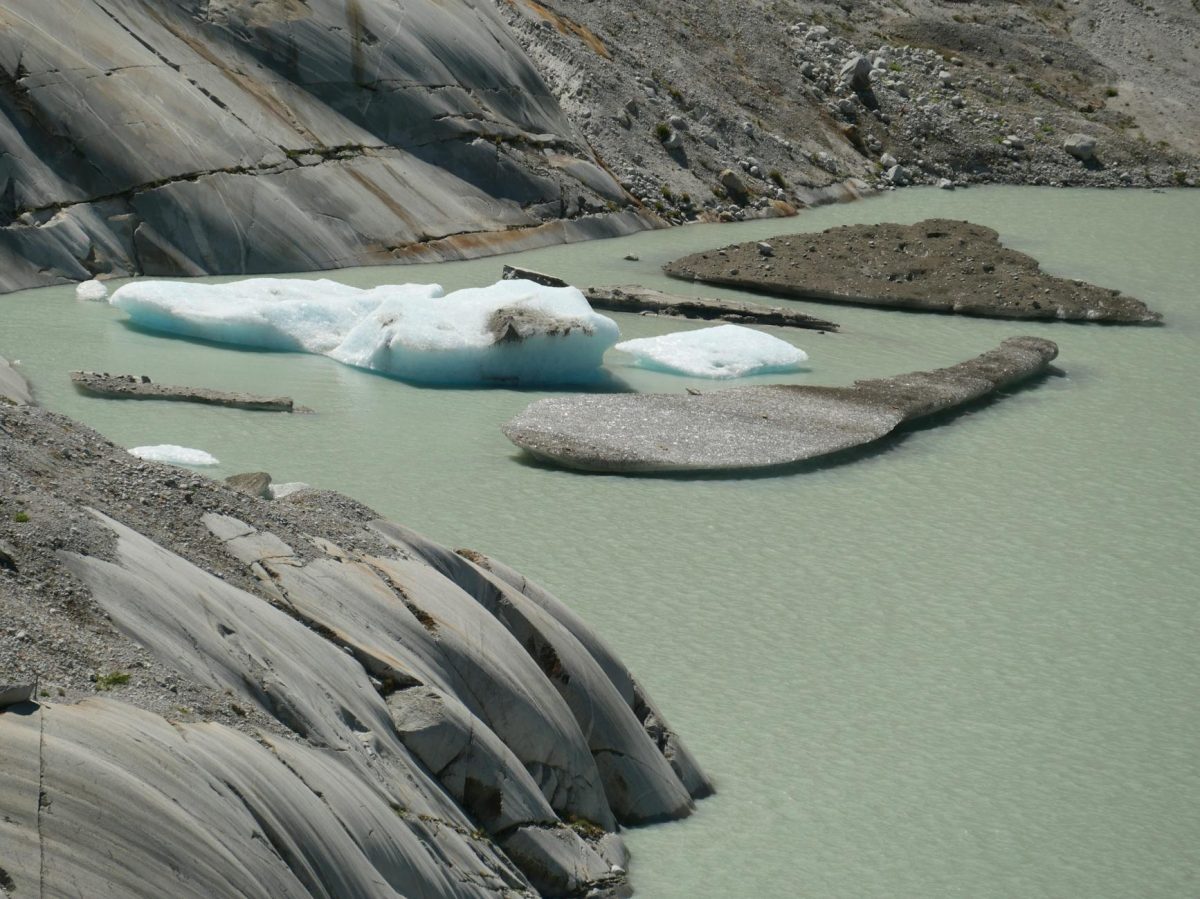
Climbing high altitude mountains can be a thrilling experience, but it also comes with unique risks. A recent incident on Mount Everest highlights the importance of taking necessary precautions to ensure a safe climbing experience. In this guide, we'll provide you with practical tips on how to stay safe while climbing high altitude mountains.
Step 1: Assess the Route and Conditions
Before embarking on your climb, research the route and conditions thoroughly. Check the weather forecast, snow conditions, and any potential hazards such as crevasses or unstable ice. Use online resources like the American Alpine Club's route database or consult with experienced climbers and guides to get a better understanding of the terrain.
Step 2: Pack Essential Climbing Gear
Invest in a good quality climbing harness, crampons, and ice axe. Make sure your gear is properly fitted and in good condition. Consider purchasing a portable first aid kit and a rescue emergency beacon (e.g. DeLorme inReach) to stay safe in case of an emergency.
Step 3: Develop a Climbing Plan and Emergency Protocol
Create a detailed climbing plan, including contingency plans for potential hazards and emergencies. Establish a communication plan with your team and ensure everyone knows their role and responsibilities. Consider setting up a regular check-in schedule via satellite phone or messaging app (e.g. Garmin inReach Mini) to stay in touch with your team and emergency services.
Step 4: Stay Hydrated and Energized
High altitude climbing can be physically demanding, so it's essential to stay hydrated and energized. Bring enough water and snacks, and consider using a hydration pack or water bottle with a built-in filter (e.g. Sawyer Mini Water Filter) to stay safe and healthy. Aim to consume a balanced diet that includes electrolyte-rich foods and carbohydrates to maintain energy levels.
Step 5: Monitor Your Physical Condition and Acclimatize
Keep a close eye on your physical condition and body temperature, as high altitude climbing can cause altitude sickness. Take regular breaks to acclimatize and allow your body to adjust to the higher elevation. Consider using a heart rate monitor or fitness tracker (e.g. Garmin Forerunner 945) to track your physical condition and identify potential warning signs of altitude sickness.
Don't underestimate the importance of experience and training when it comes to high altitude climbing. Consider hiring a certified guide or taking a mountaineering course to learn essential skills and gain valuable experience.
By following these tips and taking the necessary precautions, you can minimize the risks associated with high altitude climbing and ensure a safe and successful climbing experience. Remember to stay vigilant, plan ahead, and prioritize your physical condition to achieve your climbing goals.