5 Ways To Prepare For Industrial Accidents: Safety Guide 2026
Protect yourself and your loved ones from unexpected chemical leaks and hazardous situations in the workplace or at home
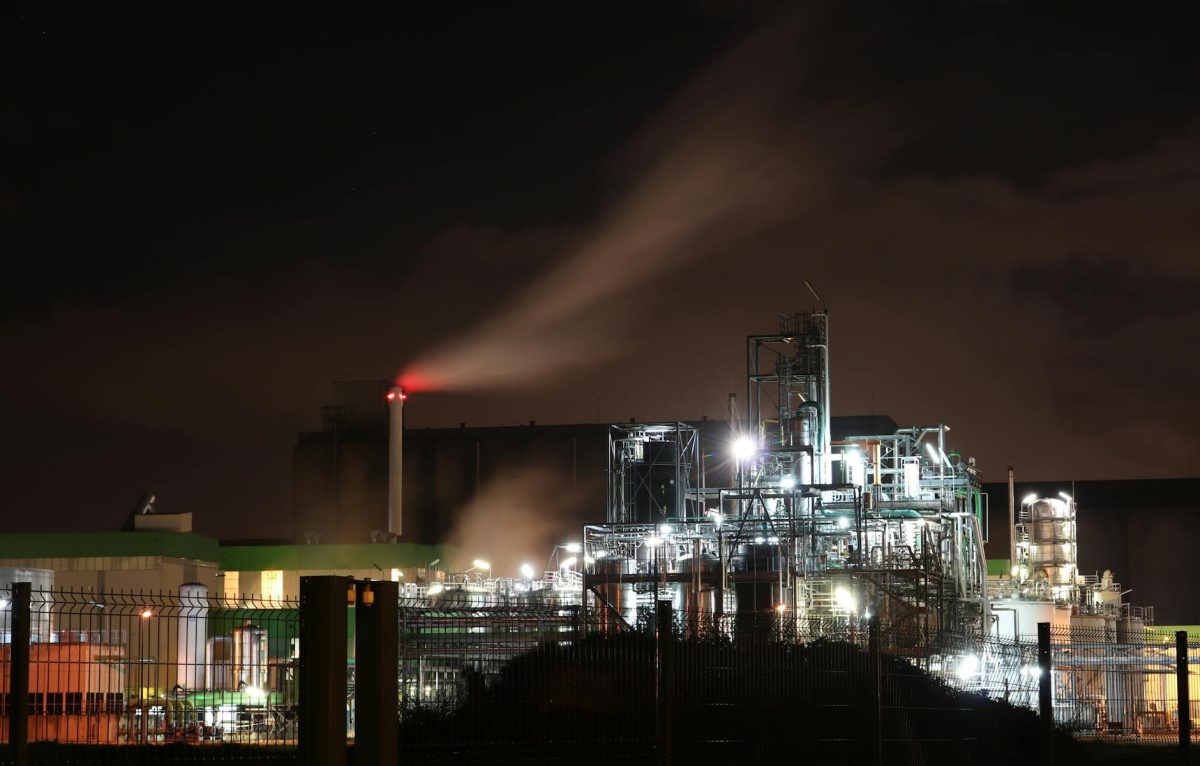
Industrial accidents can happen at any moment, causing devastating consequences for individuals and communities. In 2026, it's more crucial than ever to be prepared for such events, especially with the rise of hazardous industries and unpredictable weather patterns. This guide will walk you through the essential steps to help you stay safe in a crisis situation, empowering you to take control of your well-being and the well-being of your loved ones.
Step 1: **Assess** Your Risk Factors
Start by identifying potential risks in your workplace or home environment. Consider factors such as proximity to hazardous materials, workplace safety records, and emergency response plans. Use online tools like the Occupational Safety and Health Administration (OSHA) database or the Environmental Protection Agency's (EPA) Toxics Release Inventory (TRI) to research potential hazards. Take note of your personal risk factors, such as pre-existing medical conditions or allergies that may exacerbate an industrial accident.
Step 2: **Create** an Emergency Response Plan
Develop a comprehensive emergency response plan that includes evacuation procedures, communication protocols, and first aid training. Designate a meeting point outside the affected area and establish a chain of command for critical situations. Use a template like the Federal Emergency Management Agency's (FEMA) Incident Command System (ICS) to streamline your plan. Regularly review and update your plan to ensure it remains effective.
Step 3: **Stock** Essential Safety Supplies
Assemble a kit with essential safety supplies, such as masks, gloves, goggles, and first aid equipment. Consider purchasing a portable gas detector or a personal air quality monitor to detect hazardous chemicals. Store your kit in a designated area and make sure it's easily accessible in case of an emergency. Check your supplies regularly to ensure they are not expired or damaged.
Step 4: **Stay** Informed and Educated
Stay up-to-date with the latest news and updates on industrial accidents and safety protocols. Take online courses or attend workshops to enhance your knowledge on emergency preparedness and response. Join local safety groups or online forums to connect with experts and learn from their experiences. Use trusted resources like the National Institute for Occupational Safety and Health (NIOSH) or the American Red Cross to stay informed.
Step 5: **Practice** Regular Drills and Updates
Conduct regular drills and updates to ensure everyone in your household or workplace is prepared for an emergency. Practice evacuation procedures, communication protocols, and first aid techniques. Use online tools like the FEMA App or the American Red Cross Safety App to access emergency plans and safety tips. Review and update your plan regularly to ensure it remains effective and relevant.
Don't overlook the importance of mental preparation. Industrial accidents can cause significant stress and trauma. Consider seeking professional help or counseling to cope with the emotional aftermath of an incident.
By following these 5 essential steps, you'll be better equipped to prepare for industrial accidents and stay safe in a crisis situation. Remember to regularly review and update your plan to ensure it remains effective. Take control of your well-being and the well-being of your loved ones – stay prepared, stay safe!