How To Manage Your Electricity Bills in 2026: 10 Steps to Stay Safe and Save Money
Navigate the UK's changing electricity landscape with these practical tips, from National Grid's warnings to your own energy efficiency strategies
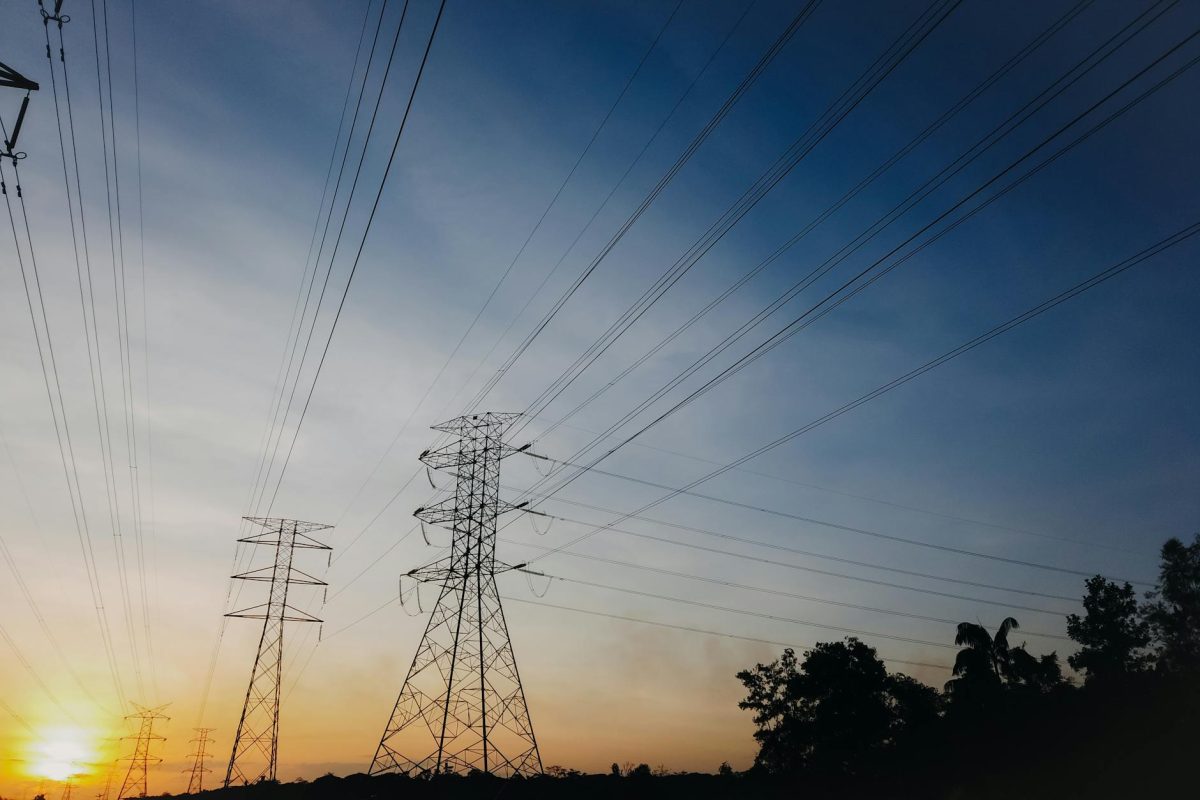
As the UK government considers options for increasing competition and preventing blackouts, National Grid's warnings have raised concerns about electricity management. Whether you're a homeowner, renter, or business owner, it's crucial to take proactive steps to stay safe and save money. In this guide, we'll walk you through 10 practical steps to help you navigate the changing electricity landscape in 2026.
Step 1: **Monitor** Your Electricity Usage
To understand your electricity usage patterns, download a smart energy monitoring app like Sense or Neurio. These apps track your energy consumption in real-time, helping you identify areas for improvement. Compare your usage to similar homes or businesses in your area to set realistic goals for energy efficiency.
Step 2: **Switch** to a Renewable Energy Plan
Research and switch to a renewable energy plan that suits your needs. Look for providers offering 100% renewable energy, such as Good Energy or Ecotricity. Consider a plan with a fixed rate to avoid price shocks and ensure you're getting the best deal.
Step 3: **Insulate** Your Home or Business
Proper insulation is key to reducing heat loss and energy consumption. Check if your home or business is well-insulated, and consider investing in energy-efficient windows, doors, and wall insulation. You can also use DIY insulation kits like Reflectix or Thermax.
Step 4: **Upgrade** to Energy-Efficient Appliances
Swap old, energy-hungry appliances with new, energy-efficient ones. Look for appliances with the ENERGY STAR label, which indicates they meet strict energy efficiency standards. Consider upgrading to smart appliances that can be controlled remotely through apps like Samsung SmartThings or Apple HomeKit.
Step 5: **Conserve** Energy During Peak Hours
Learn about peak energy hours and adjust your usage accordingly. Use energy-efficient light bulbs, turn off lights, and avoid using energy-intensive appliances during peak hours (usually between 4 pm and 7 pm). You can also use tools like Energy Saving Trust's Energy Checker to identify energy-saving opportunities.
Step 6: **Maintain** Your Appliances and Equipment
Regular maintenance is crucial to ensuring your appliances and equipment run efficiently. Check and replace air filters, clean your HVAC system, and schedule annual maintenance checks with a certified technician. You can also use DIY maintenance kits like FilterQueen or Honeywell Maintenance.
Step 7: **Explore** Energy Storage Options
Consider investing in energy storage systems like batteries or solar panels. These systems can help you store excess energy generated during the day for use during peak hours or power outages. Research and compare different options, such as Tesla Powerwall or Sonnen eco.
Step 8: **Prepare** for Power Outages
Create a power outage emergency kit with essentials like flashlights, batteries, and a first aid kit. Charge your devices and have a backup power source, such as a portable generator or a UPS. You can also register for outage alerts from your utility provider to stay informed.
Step 9: **Educate** Yourself and Others
Stay informed about energy efficiency and electricity management through online resources like the National Grid's website or the Energy Saving Trust. Educate your family, colleagues, or tenants about the importance of energy conservation and share your own energy-saving successes.
Step 10: **Review** and Adjust Your Energy Plan
Regularly review your energy usage and adjust your plan accordingly. Analyze your usage patterns, adjust your energy efficiency strategies, and explore new opportunities for savings. You can also use energy management software like EnergyHub or Sense to track your progress and identify areas for improvement.
Many energy-efficient upgrades can be eligible for government incentives or tax credits. Research and claim these incentives to maximize your energy savings.
By following these 10 steps, you'll be well-equipped to navigate the UK's changing electricity landscape and stay safe and save money. Remember to regularly review and adjust your energy plan to ensure you're getting the best results. Take the first step today and start managing your electricity bills like a pro!