How To Stay Safe Online While Advocating For LGBTQ Rights In 2026
Protect yourself from online harassment and maintain a safe online presence while promoting LGBTQ inclusivity and equality
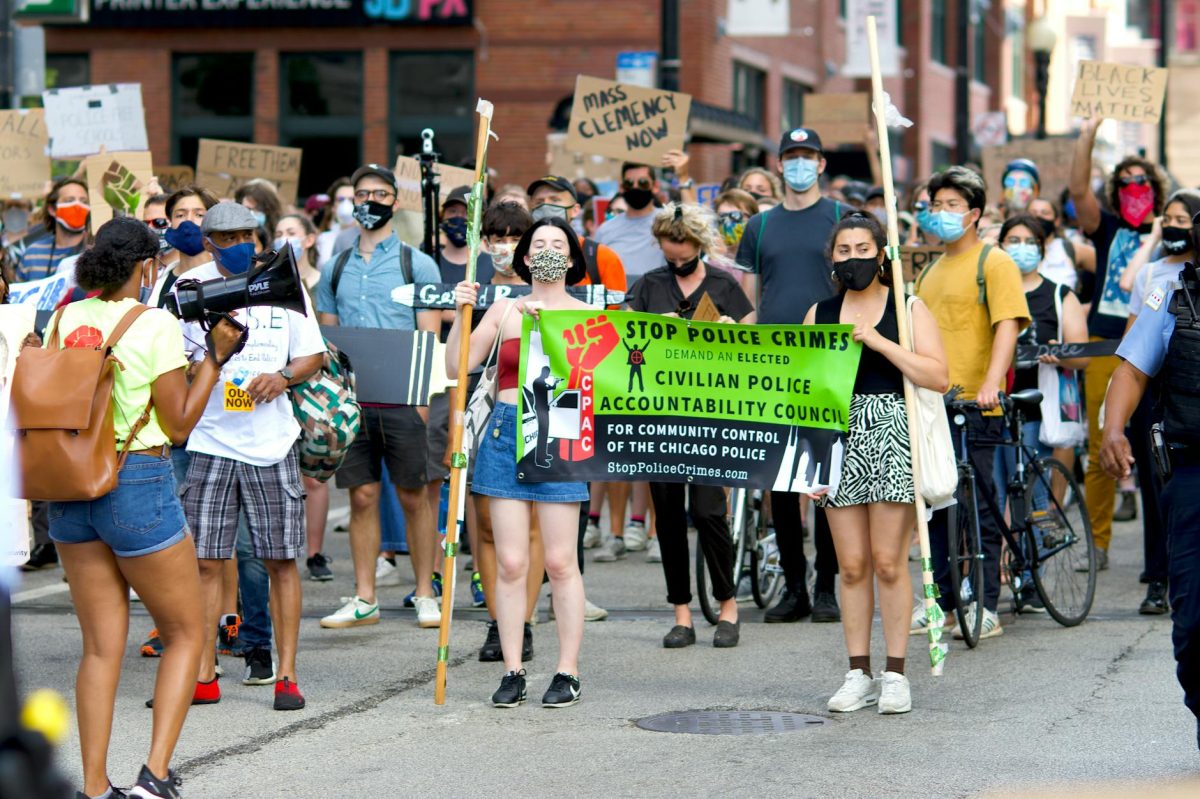
As the EU court ruling highlights the importance of online protection for marginalized communities, it's essential to understand how to stay safe online while advocating for LGBTQ rights. With the rise of online hate speech and harassment, it's crucial to take proactive steps to safeguard your digital presence. In this guide, you'll learn 7 practical tips to stay safe online while promoting LGBTQ inclusivity and equality.
Step 1: Set Up Strong Online Profiles
Create a separate private profile for advocacy work and keep your personal life separate. Use a pseudonym or a username that doesn't reveal your real identity. Consider setting up a new email address and phone number specifically for online advocacy. Use password managers like LastPass or 1Password to generate and store unique, complex passwords for each online profile.
Step 2: Use Secure Browsing Tools
Utilize HTTPS Everywhere and Tor Browser to encrypt your online activity and protect your IP address. Enable two-factor authentication (2FA) on all social media and online platforms to prevent unauthorized access. Keep your browser and operating system up-to-date to ensure you have the latest security patches and updates.
Step 3: Avoid Online Hate Speech and Harassment
Report online hate speech and harassment to the platform administrators promptly. Block or mute users who engage in abusive behavior. Use Blocksite or Freedom to limit your access to platforms with a history of online harassment. Document and save evidence of online harassment incidents in case you need to escalate the issue.
Step 4: Use Secure Communication Channels
Use Signal or WhatsApp for encrypted messaging with allies and colleagues. Avoid using public Wi-Fi for sensitive discussions and opt for a VPN (Virtual Private Network) instead. Consider using a secure online storage service like pCloud or Tresorit to store sensitive documents and files.
Step 5: Build a Support Network
Connect with other online advocates and allies who share your values and concerns. Join online communities or forums focused on LGBTQ rights and advocacy. Establish a safe word or signal with your support network to quickly alert them in case of online harassment or threats.
Step 6: Stay Up-to-Date with Online Safety Best Practices
Follow online safety experts and organizations like the Electronic Frontier Foundation (EFF) and GLAAD for updates on online safety and digital rights. Participate in online workshops and webinars to improve your digital skills and knowledge. Stay informed about new online threats and security vulnerabilities through online safety resources like Cybersecurity and Infrastructure Security Agency (CISA).
Step 7: Escalate Online Harassment Incidents
Document and report online harassment incidents to the platform administrators, law enforcement, and your support network. Escalate the issue to the platform's CEO or a higher authority if necessary. Consider seeking support from online safety organizations or advocacy groups if you're experiencing persistent online harassment.
Always prioritize your physical and mental well-being when dealing with online harassment. Don't hesitate to take a break or seek help from a mental health professional if you're experiencing emotional distress or burnout.
By following these 7 tips, you'll be better equipped to stay safe online while advocating for LGBTQ rights in 2026. Remember to prioritize your online safety and security, and don't hesitate to seek help when you need it. Take the next step by sharing this guide with your online community and promoting online inclusivity and equality.