How To Oppose a Data Center in Your Neighborhood 2026
Protect Your Community from the Impact of Data Centers: A Step-by-Step Guide
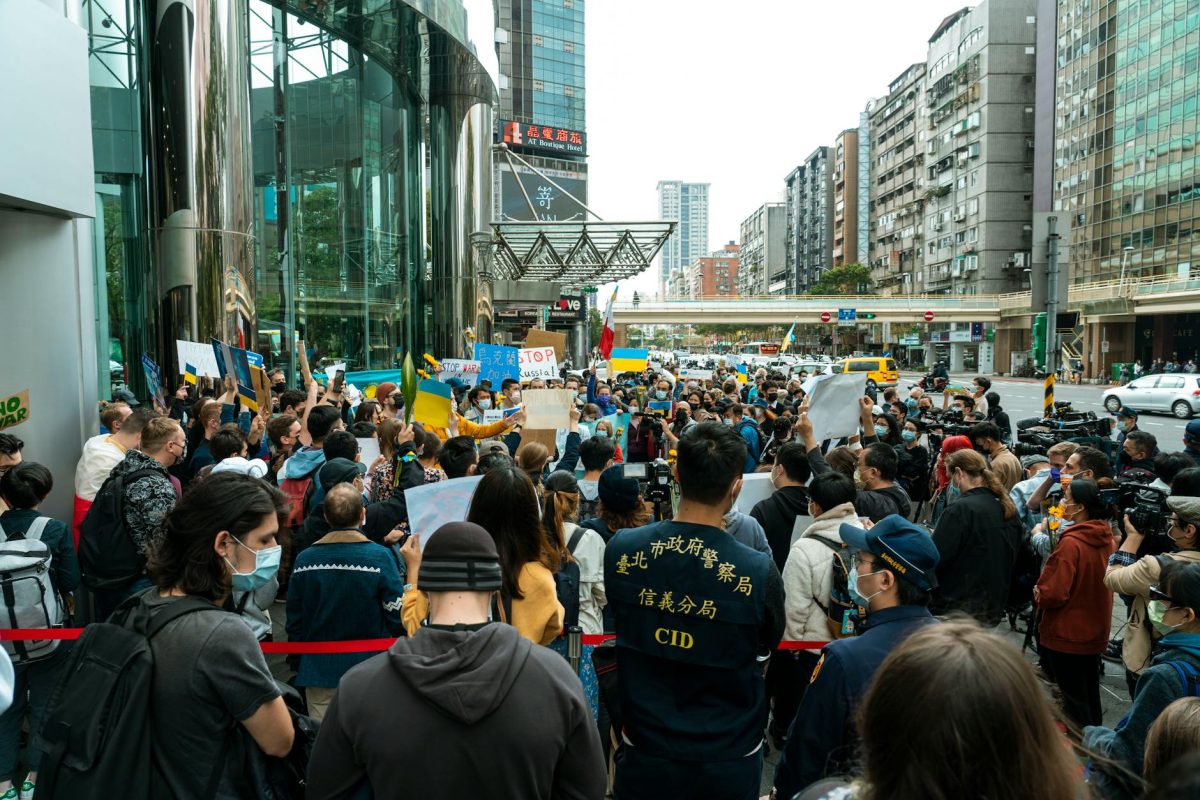
As data centers continue to proliferate, local communities are fighting back against the environmental and economic impacts of these massive facilities. If you're concerned about a data center being built in your neighborhood, it's essential to take action and make your voice heard. In this guide, you'll learn the 5 ways to oppose a data center in your community and protect your way of life.
Step 1: Research the Data Center Proposal
Understand the data center proposal by reviewing the environmental impact statement, zoning ordinances, and local government documents. Utilize online tools like the Data Center Map to identify nearby data centers and their environmental effects. Gather information on the data center's projected energy consumption, water usage, and potential noise pollution. This research will help you build a strong case against the data center proposal.
Step 2: Build a Coalition of Opponents
Reach out to local residents, community groups, and businesses to build a coalition of opponents to the data center proposal. Leverage social media platforms like Facebook and Twitter to create a buzz around the issue and encourage others to join the opposition. Consider partnering with environmental organizations, such as the Sierra Club, to amplify your message and gain credibility.
Step 3: Engage with Local Government
Schedule a meeting with your local government representatives to express your concerns about the data center proposal. Prepare a clear and concise presentation that highlights the negative impacts of the data center on your community. Be sure to bring along a petition signed by your coalition members and other concerned residents to demonstrate public opposition. Use online tools like Petition2Congress to create a petition and gather signatures.
Step 4: Attend Public Hearings and Meetings
Attend public hearings and meetings to speak out against the data center proposal. Prepare your statement in advance and be clear and concise when delivering it. Bring along visual aids, such as maps and graphs, to illustrate the negative impacts of the data center on your community. Use online tools like Public Insight Network to stay informed about public meetings and hearings in your area.
Step 5: Explore Alternative Uses for the Land
Research alternative uses for the land where the data center is proposed, such as a community garden, park, or solar farm. Work with local organizations and government agencies to explore these alternative uses and create a compelling case for why they are a better fit for the land. Consider partnering with local businesses and entrepreneurs to develop a community-led project that benefits the local economy and environment.
Don't forget to document your opposition efforts, including emails, letters, and meeting notes. This will help you track progress and build a strong case if the data center proposal is approved.
By following these 5 steps, you can effectively oppose a data center in your neighborhood and protect your community from the negative impacts of these massive facilities. Remember to stay organized, build a strong coalition, and engage with local government to make your voice heard. Next, consider exploring alternative uses for the land and working with local organizations to create a better future for your community.