How To Find Shipwrecks Like a Pro in 2026
Discover ancient treasures using cutting-edge technology and expert techniques
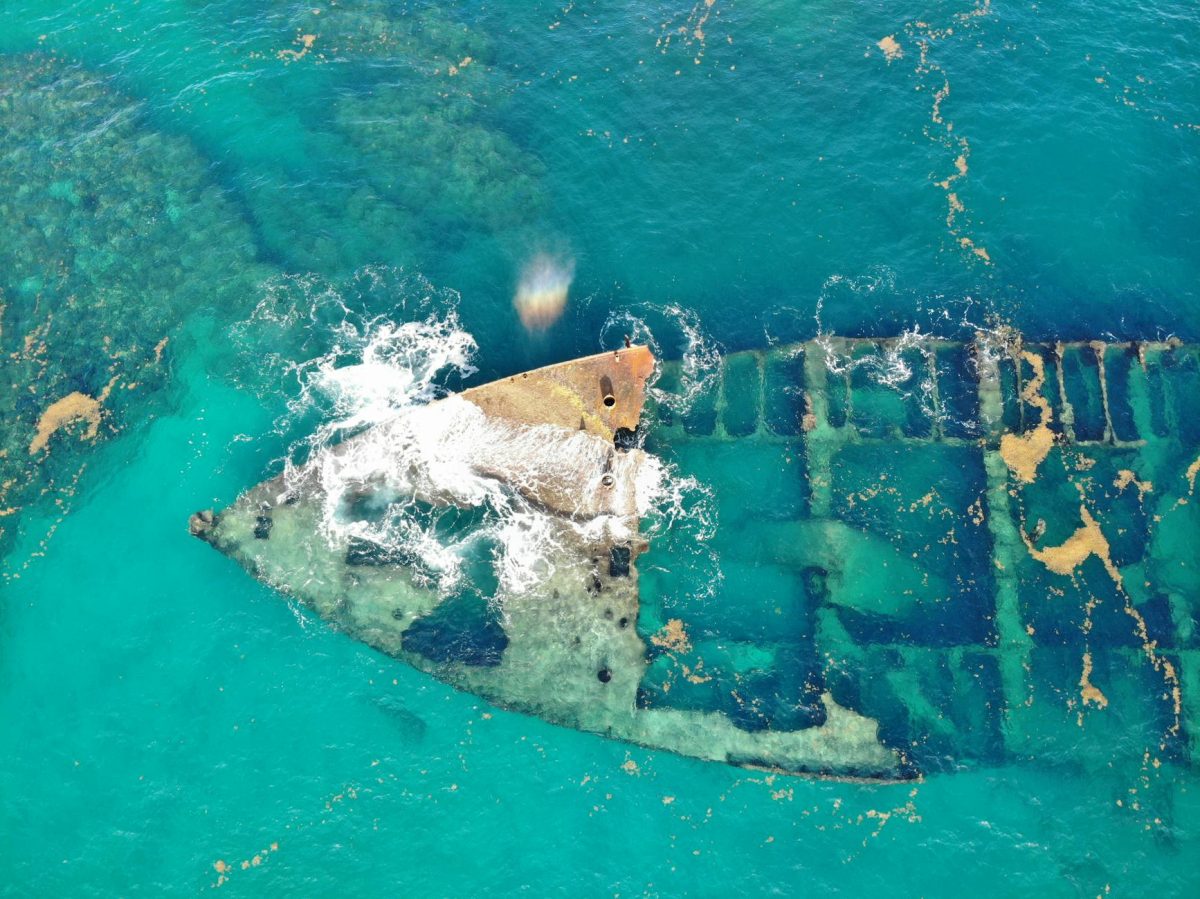
Imagine stumbling upon a centuries-old shipwreck, holding secrets and treasures from the past. With the advancements in technology and marine archaeology, it's now possible for anyone to contribute to the discovery of these underwater wonders. In this guide, you'll learn how to find shipwrecks like a pro, using the same techniques and tools used by experts in the field.
Step 1: Research Historical Shipwrecks
Start by researching historical shipwrecks in your area of interest. Utilize online resources such as the National Underwater and Marine Agency (NUMA) database, which provides a comprehensive list of shipwrecks from around the world. Additionally, consult with local maritime museums, historical societies, and libraries to gather information on potential shipwreck sites.
Step 2: Use Advanced Sonar Technology
Invest in advanced sonar technology, such as a Side-Scan Sonar or a Multi-Beam Echo Sounder, to help you locate shipwrecks. These devices use sound waves to create detailed images of the seafloor, making it easier to identify potential wreck sites. You can also rent or lease these technologies for a more affordable option.
Step 3: Apply for a Shipwreck Permit
Before searching for shipwrecks, obtain the necessary permits and licenses from local and national authorities. In the United States, for example, you'll need to apply for a Marine Sanctuary Permit from the National Oceanic and Atmospheric Administration (NOAA). Make sure to carefully review the permit requirements and regulations to avoid any fines or penalties.
Step 4: Join a Shipwreck Hunting Community
Connect with other shipwreck enthusiasts and experts through online forums, social media groups, and local organizations. Joining a shipwreck hunting community will provide you with valuable resources, knowledge, and networking opportunities. You can also collaborate with other researchers to share costs and expertise, making your search more efficient and effective.
Step 5: Follow Shipwreck Safety Protocols
When searching for shipwrecks, always follow safety protocols to avoid accidents and damage to the wreck site. Wear proper diving gear, including a wetsuit, mask, and snorkel, and ensure that you have a first aid kit and a communication device with you at all times. Additionally, follow local regulations and guidelines for shipwreck exploration and excavation.
Remember to always prioritize the preservation and protection of historical shipwrecks and their surrounding ecosystems. Avoid touching or disturbing the wreck site, as this can cause irreparable damage and compromise any future research or excavation efforts.
By following these 5 steps and staying committed to your passion for shipwreck hunting, you'll be well on your way to discovering ancient treasures and contributing to the world of marine archaeology. Remember to always stay safe, respect the environment, and never give up on your quest for adventure.