How To Find The Best Non-European Olive Oils For Your Kitchen
Discover the top producers and flavors from around the world, from South Africa to Palestine and Texas
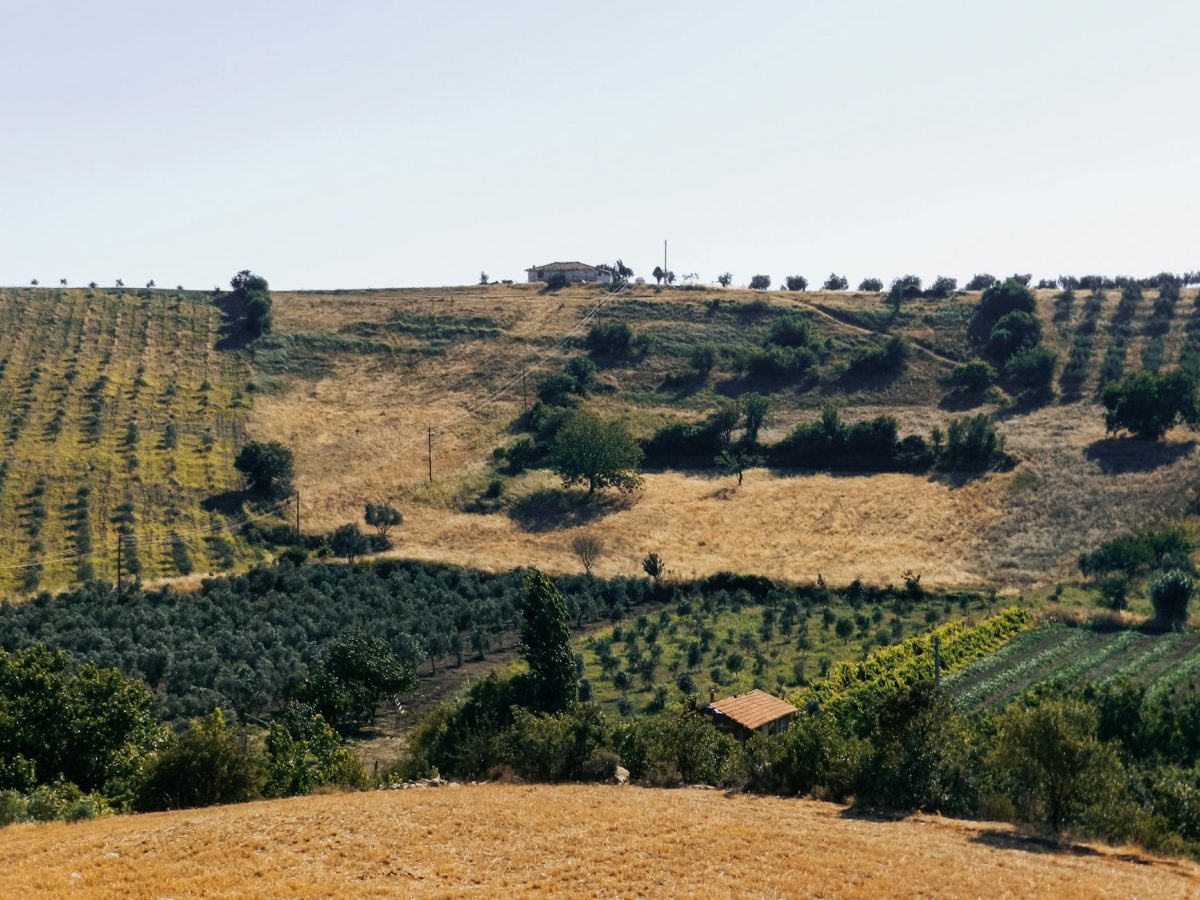
Are you tired of the same old European olive oils? With the global olive oil market in crisis, it's time to look beyond traditional producers. In this guide, we'll show you how to find the best non-European olive oils for your kitchen, from unique flavor profiles to sustainable farming practices.
Step 1: Research Top Non-European Olive Oil Producers
Start by researching top non-European olive oil producers, such as South Africa, Palestine, and Texas. Look for producers that prioritize sustainable farming practices and high-quality production methods. You can use online resources like the International Olive Council or the Olive Oil Times to find reliable information.
Step 2: Explore Unique Flavor Profiles
Next, explore the unique flavor profiles of non-European olive oils. Look for producers that offer distinct flavor profiles, such as the peppery taste of South African olive oil or the fruity taste of Palestinian olive oil. Try using online tasting notes or olive oil reviews to get a sense of the different flavor profiles.
Step 3: Check for Sustainability Certifications
When choosing a non-European olive oil, look for sustainability certifications like Fair Trade or Organic. These certifications ensure that the producer is committed to environmentally friendly and socially responsible practices. You can check the producer's website or look for certifications on the label.
Step 4: Read Online Reviews and Ask for Recommendations
Read online reviews from trusted sources like food bloggers or olive oil experts. Ask for recommendations from friends or family members who have tried non-European olive oils. You can also join online forums or social media groups to connect with other olive oil enthusiasts.
Step 5: Taste and Experiment with Different Oils
Finally, taste and experiment with different non-European olive oils. Try using them in cooking or as a finishing oil for dishes. Take note of the flavors and textures you experience, and adjust your choices accordingly. Remember, the best way to find your favorite non-European olive oil is to experiment and have fun.
When shopping for non-European olive oils, look for producers that offer small-batch or artisanal production methods. These oils often have more complex flavor profiles and are made with higher-quality ingredients.
With these steps, you'll be well on your way to finding the best non-European olive oils for your kitchen. Remember to research top producers, explore unique flavor profiles, check for sustainability certifications, read online reviews, and taste and experiment with different oils. Happy cooking!