Bihar CM Samrat Choudhary Orders Zero‑Tolerance on Crime, Corruption in State


On Monday night, Bihar Chief Minister Samrat Choudhary addressed the state assembly from the Vidhan Sabha complex, announcing a zero‑tolerance policy against crime and corruption. He demanded that every law enforcement and administrative officer act decisively to protect the poor and vulnerable. This directive follows a spike in reported thefts and bribery cases in Patna and neighboring districts. The move signals a shift toward stricter accountability across the state.
What Happened: CM's Zero‑Tolerance Directive
The announcement was broadcast live on the state’s flagship TV channel, Prabhat TV, at 9:15 PM and later streamed on the official Bihar government portal. Chief Minister Samrat Choudhary called upon the police, revenue, and judiciary departments to enforce the new directive without delay. He instructed the Chief Secretary to draft a compliance framework within 48 hours, while the Director General of Police was asked to report on current corruption cases within the next week. The directive also includes a clause mandating the filing of a monthly corruption audit by every district magistrate. Account to the Bihar Times noted that the CM’s speech was met with a standing ovation from the assembly members, reflecting widespread support. The zero‑tolerance directive marks a significant escalation in the state’s anti‑corruption strategy.
Why It Matters
The National Crime Records Bureau reported that Bihar recorded 1,200 thefts per 100,000 residents in 2023, the highest in the eastern region. This surge has strained local police resources and eroded public confidence. By demanding swift action against corrupt officials, the CM seeks to restore faith in public institutions and deter future misconduct. The policy’s focus on the poor and vulnerable is crucial, as these groups are disproportionately affected by bribery and unlawful detentions. A robust enforcement framework could lead to more transparent procurement processes and fairer judicial outcomes, ultimately improving everyday life for ordinary citizens.

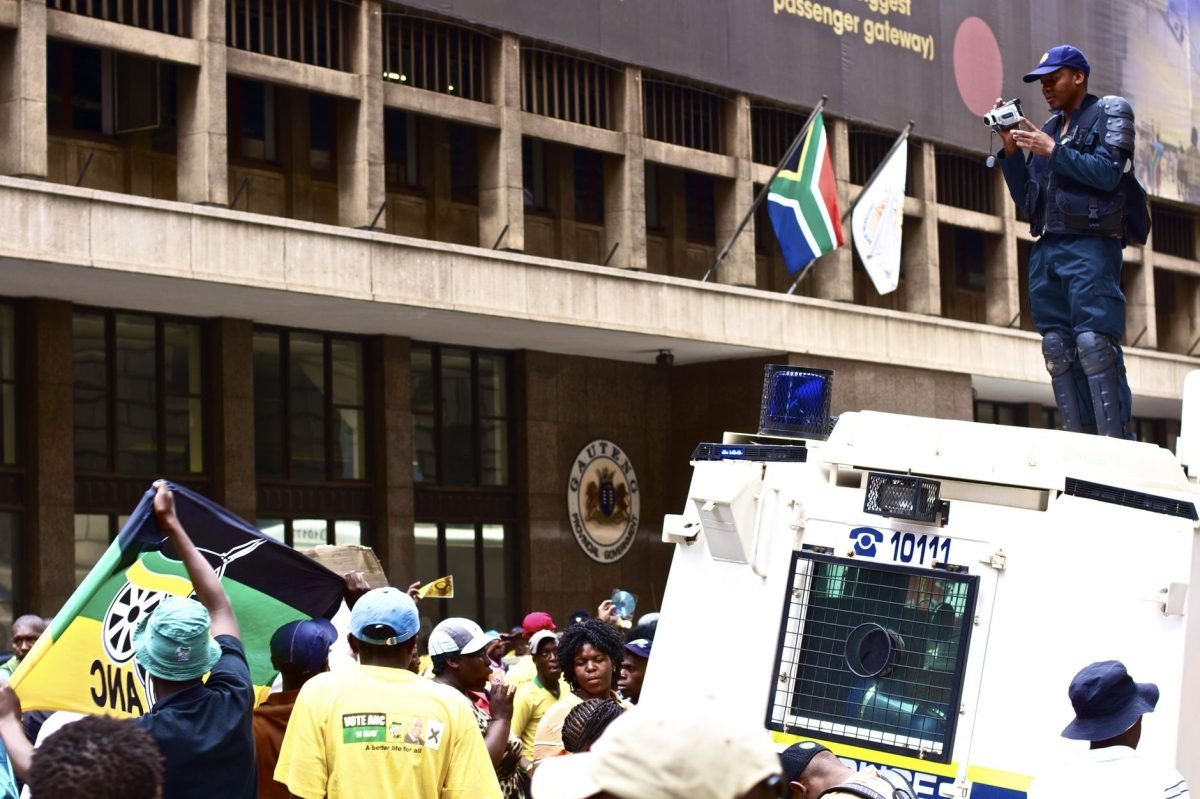
“Chief Minister Samrat Choudhary said, 'We cannot allow corruption to erode the trust of our citizens. Every citizen deserves protection,' during the assembly session.”
What We Don't Know Yet
The directive’s effectiveness hinges on the speed and sincerity of implementation by state agencies. It remains unclear whether existing corruption investigations will receive the additional resources promised. The legal framework for holding officials accountable—such as amendments to the Bihar Police Act—has not been announced. Moreover, the public’s perception of the policy’s impact will likely depend on early, visible results, which are not guaranteed. There is also uncertainty about how the directive will be reconciled with existing national anti-corruption laws, potentially leading to jurisdictional overlaps. Finally, the CM’s call for a monthly corruption audit raises questions about the criteria and metrics that will be used to assess compliance.
Key Takeaways
- Bihar CM Samrat Choudhary has mandated a zero‑tolerance policy against crime and corruption.
- The directive targets protection for the poor and vulnerable across state agencies.
- Implementation details, including compliance guidelines, are to be released in the next 24‑48 hours.
- The policy’s success will depend on swift action and transparent auditing by district magistrates.
- Public confidence may improve if early results show reduced corruption and theft cases.
What to Watch
Within the next 24 hours, the Bihar Police Department is expected to release a provisional schedule for the new compliance framework, while the Chief Secretary’s office should publish the draft guidelines. In the following 48 hours, the state legislature may debate amendments to the Bihar Police Act to align with the zero‑tolerance policy. Key personnel to monitor include the Director General of Police, who will outline operational changes, and the Director of the Anti‑Corruption Bureau, who will detail investigative priorities. Over the next 72 hours, look for the first public audit report, which will signal whether the directive is moving from rhetoric to action. Public reactions on social media and local news outlets will also indicate the policy’s reception among citizens.
In 2022, Bihar became the first Indian state to launch a digital dashboard tracking real‑time police response times, according to the Bihar Police Department.
The zero‑tolerance directive marks a decisive step by Bihar’s leadership to confront crime and corruption head on. Its true impact will unfold as state agencies translate words into action, and as citizens observe changes in the day‑to‑day functioning of law and order. For now, the promise of stricter accountability offers hope, but the path ahead requires vigilance, transparency, and sustained effort.


