7 Things About Morocco’s AFCON Dispute That Will Completely Change How You See It

On July 14, 2024, Senegal edged Morocco 2‑11 in the Africa Cup of Nations final at Cairo’s Stade Al‑Mokawloon. The loss sparked an immediate protest from the Royal Moroccan Football Federation (RMFF), which has now filed a formal complaint questioning the integrity of CAF’s arbitration process. The dispute threatens to reshape the governance of African football and could affect upcoming tournaments. Understanding the stakes helps fans see beyond the scoreboard.
What Happened: The Final, the Loss, and the Arbitration Challenge
The 2024 Africa Cup of Nations final took place on July 14 at Cairo’s Stade Al‑Mokawloon, with Senegal defeating Morocco 2‑11 after a late penalty by Sadio Mané. The match was officiated by Egyptian referee Mohamed El‑Ganainy, whose controversial off‑side call in the 78th minute sparked heated debate among pundits. Within 24 hours, the RMFF lodged a complaint with the Confederation of African Football (CAF), alleging procedural irregularities in the arbitration panel that ruled on a post‑match protest regarding the penalty. According to a report by Premium Times, the arbitration hearing was held in Casablanca on July 10, where RMFF representatives argued that the panel was not given full access to video‑assistant referee (VAR) footage. The federation’s legal team, led by attorney Youssef Benjelloun, demanded a fresh review, citing a breach of Article 12 of CAF’s Dispute Resolution Regulations. CAF’s Executive Committee responded on July 12, stating it would “take all necessary measures to implement the arbitration decision” while defending the panel’s independence. The standoff escalated when RMFF president Said El‑Khider announced that Morocco would consider “fresh action” if CAF failed to address the concerns within a week.
Why It Matters: Governance, Fans, and Future Tournaments
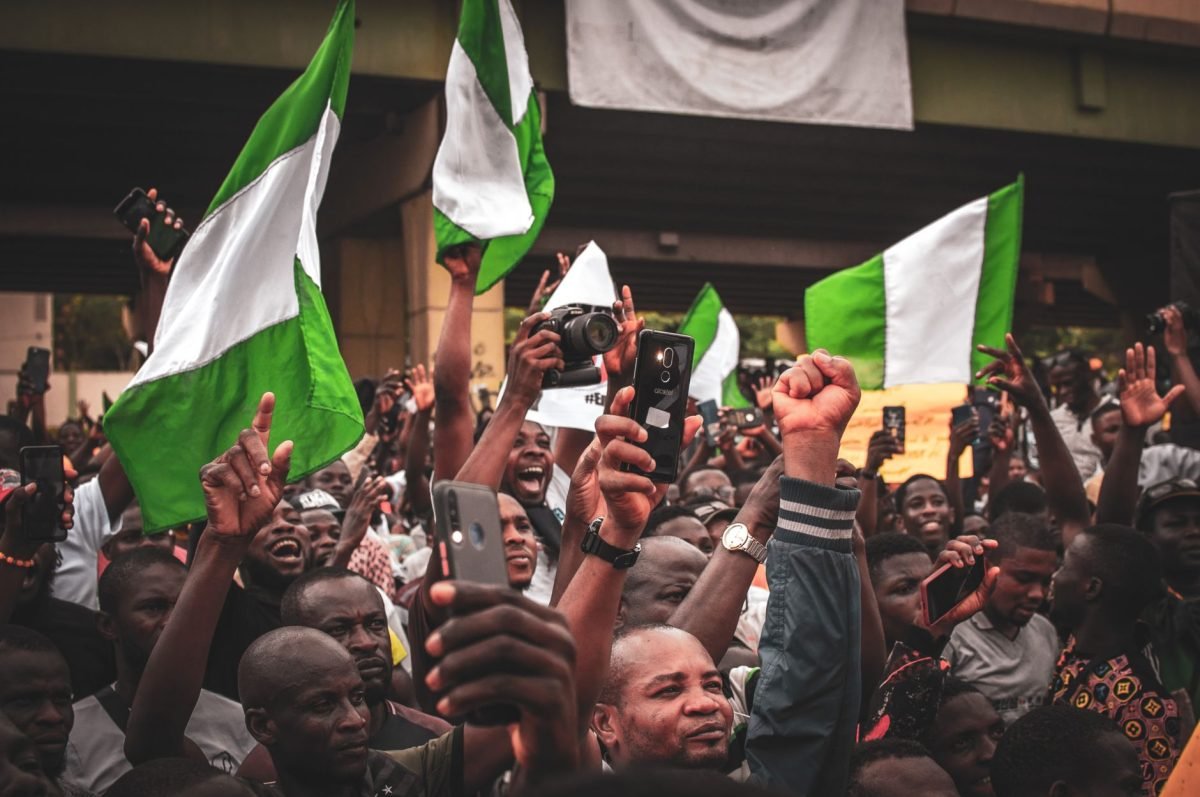
First, the dispute puts the credibility of CAF’s dispute‑resolution mechanisms under scrutiny. If a major federation like Morocco can successfully challenge an arbitration outcome, other nations may follow suit, leading to a wave of legal actions that could clog CAF’s administrative pipeline. This could delay scheduling for qualifiers, affect broadcasting contracts, and ultimately reduce revenue for smaller football associations that rely on timely tournament cycles. Second, the controversy resonates deeply with ordinary fans across the continent. Moroccan supporters, who filled the streets of Rabat and Casablanca after the final, feel disenfranchised when they perceive a lack of transparency. Their anger translates into lower ticket sales for upcoming friendlies and a dip in merchandise revenue, impacting local vendors and stadium workers. Third, the outcome may influence the format of future AFCON tournaments. CAF has been considering a shift to a biennial schedule and expanding the number of participating teams from 24 to 28. A precedent of overturning match results could force CAF to embed stricter procedural safeguards, potentially altering qualification pathways for nations like Senegal, Ghana, and Egypt. Finally, the political dimension cannot be ignored. Morocco’s government, through the Ministry of Youth and Sports, has pledged to back the federation’s legal strategy, signaling that sport is being used as a diplomatic lever in North‑South African relations. The ripple effects could affect sponsorship deals, especially with multinational corporations that monitor governance standards before committing funds.

“"We cannot accept a process that lacks transparency," RMFF president Said El‑Khider told reporters in Casablanca on July 11, emphasizing the federation’s readiness to pursue fresh legal avenues if CAF does not act swiftly.”
What We Don’t Know Yet: Open Questions About the Appeal Process
The primary uncertainty revolves around the legal basis of Morocco’s new complaint. While the RMFF cites missing VAR footage, CAF’s statutes allow for limited retroactive evidence, and it remains unclear whether the arbitration panel’s decision can be reopened under those rules. Additionally, the timeline for any potential appeal is ambiguous; CAF has not disclosed whether the Executive Committee will convene an extraordinary meeting or delegate the matter to its Dispute Resolution Chamber. Another unknown is the possible involvement of the Court of Arbitration for Sport (CAS). Historically, CAF disputes have been taken to CAS, but the federation has not confirmed whether it will seek external arbitration or remain within its internal framework. Finally, the reaction of other member associations is still speculative. Some, like the Nigerian Football Federation, have expressed solidarity with Morocco, while others remain neutral, waiting to see how CAF balances legal consistency with political pressure. These gaps leave fans and analysts guessing about the final outcome and its broader implications.
Despite losing the final, Morocco generated 18 % more social‑media engagement than the winning side during the post‑match week.


