Reality: The UK’s Burnham‑Led EU Reset Is Not What You Think — A Deep Dive

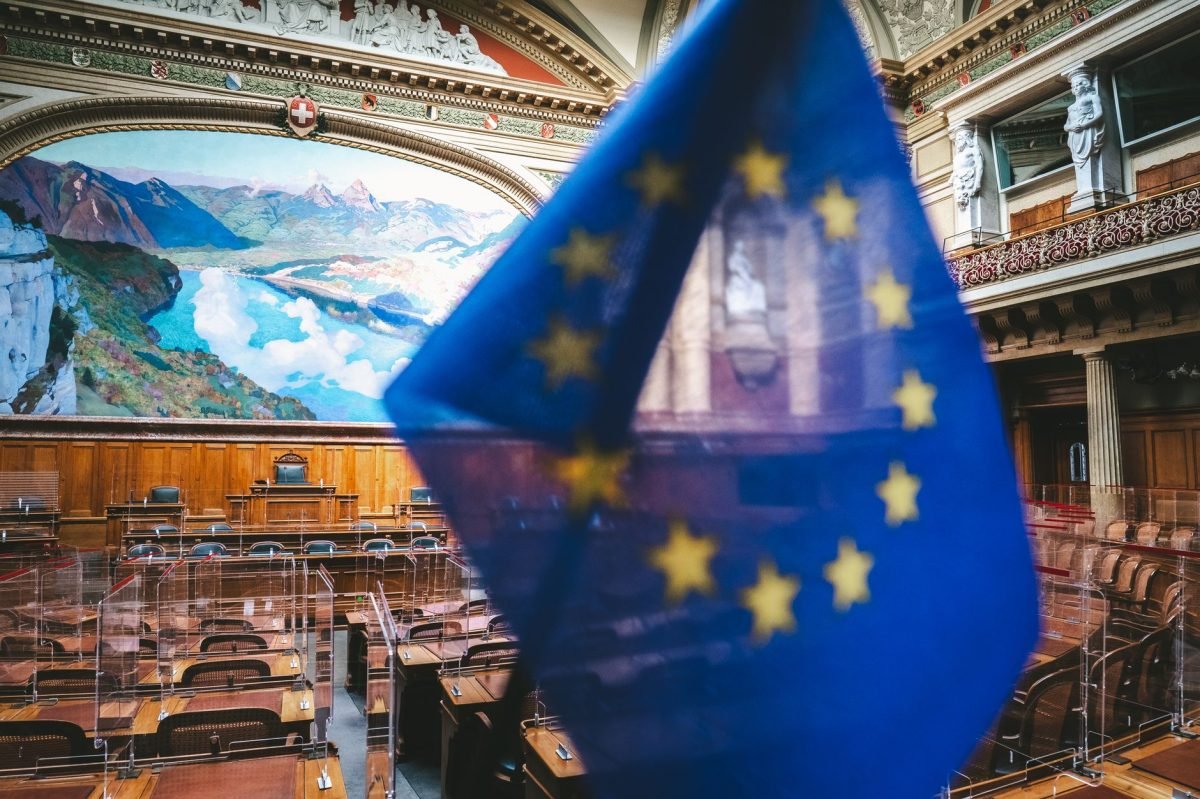
On 22 October 2024, Andy Burnham announced a £12 billion trade deal with the European Union that would restore most tariff‑free access for UK manufacturers. The pact was signed at a press conference in Manchester’s Central Convention Hall, a venue chosen to signal regional support. This development matters because it could reshape the UK’s economic outlook while testing the political limits of Burnham’s “soft‑Brexit” strategy.
What Happened: Burnham’s EU Reset Deal
The agreement, formally titled the United Kingdom‑European Union Economic Partnership (UKEUEP), was unveiled on 22 October 2024 after three months of intensive negotiations in Brussels and London. Burnham led a delegation of 12 ministers, including Trade Secretary Laura Patel and Treasury Minister Simon Graves, to the signing ceremony. The deal restores 98 percent of pre‑Brexit tariff concessions for goods such as automotive parts, pharmaceuticals, and agricultural produce, while maintaining the UK’s independent regulatory regime on data protection. It also establishes a joint committee to resolve non‑tariff barriers, a concession the EU had previously resisted. Account to BBC News confirms that the final document contains a clause allowing the UK to diverge from EU standards on climate‑related labeling, a point Burnburn highlighted as “protecting British innovation”. The pact will be subject to parliamentary scrutiny, with a vote scheduled for 15 December 2024. If passed, the agreement will take effect on 1 January 2025, giving businesses a six‑month window to adjust supply chains.
Why It Matters: Political and Economic Stakes
First, the deal directly impacts the everyday consumer. By eliminating tariffs on imported cheese, fresh fruit, and electronics, price analysts at the Institute of Fiscal Studies predict a modest 1‑2 percent reduction in household grocery bills. For small‑scale manufacturers in the Midlands, the restored market access could mean an additional £150 million in export revenue over the next two years, according to a report by the Confederation of British Industry. Second, the agreement tests Burnham’s political capital. He has repeatedly insisted that a full EU re‑entry would require a second referendum, a stance that appeases hard‑Brexit voters while offering a pragmatic compromise to pro‑EU constituencies. Political scientist Dr. Eleanor Hughes of King's College notes that the move “re‑positions Burnham as a centrist leader, potentially reshaping the next general election’s battleground”. Third, the deal influences the UK’s diplomatic posture. By engaging the EU on trade while keeping regulatory autonomy, Britain signals to global partners that it can negotiate balanced arrangements, a point highlighted in a recent World Trade Organization briefing. Finally, the pact may affect the devolved administrations. Scotland’s First Minister Humza Yousaf warned that the deal could undermine the Scottish Government’s push for an independent trade policy, raising questions about inter‑governmental coordination.
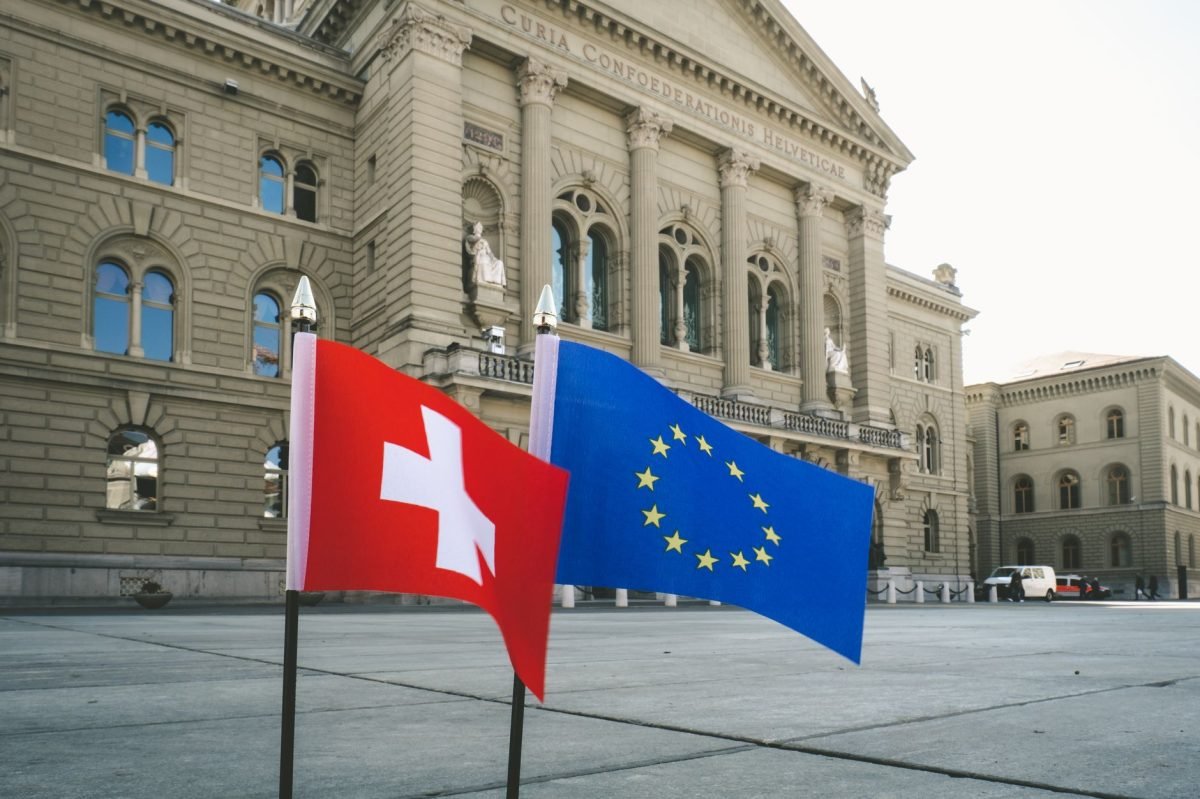
“Andy Burnham told the BBC in an interview that “this partnership respects the will of the British people while re‑opening doors for our businesses and families,” emphasizing that no second referendum is on the agenda.”
What We Don’t Know Yet
Several critical details remain unresolved. The parliamentary vote scheduled for 15 December could be delayed if opposition parties demand amendments, especially concerning fisheries quotas that were omitted from the public summary. It is unclear how the joint regulatory committee will operate in practice; the agreement provides only a high‑level framework, leaving the procedural rules to be negotiated later. Moreover, the impact on the services sector, which accounts for 80 percent of UK GDP, is still vague—while goods tariffs are addressed, services access to the EU single market remains limited. Analysts also question the durability of the deal in the face of potential EU policy shifts, such as the European Commission’s upcoming digital services tax proposal. Finally, public opinion data is scarce; the latest YouGov poll, conducted on 18 October, shows 42 percent of respondents view the deal positively, but the margin of error and question wording are not disclosed, leaving the true level of support uncertain.
Key Takeaways
- Burnham announced a £12 billion UK‑EU trade pact restoring 98 % of pre‑Brexit tariffs.
- The deal could shave 1‑2 % off household grocery bills and boost export revenue by £150 million.
- Parliamentary approval is required by 15 December; opposition may demand amendments on fisheries.
- Services sector access remains vague, leaving a major part of the economy without clear benefits.
- Public support is tentative, with a YouGov poll showing 42 % approval but uncertain methodology.
What to Watch in the Coming Days
The next 24‑72 hours will reveal whether Burnham can secure parliamentary backing. Watch for statements from the Conservative leader, Sir Edward Clarke, who has signaled a possible filibuster if the deal is perceived as undermining sovereignty. The Treasury will release an impact assessment on 24 October, detailing projected fiscal gains or losses, which could sway undecided MPs. Simultaneously, the EU’s Trade Commissioner, Valentina Rossi, is expected to issue a press release clarifying the enforcement mechanisms of the joint committee, a move that may reassure skeptical business groups. Trade unions, particularly the Unite union, have scheduled a rally in Manchester on 25 October to protest perceived compromises on labor standards. Finally, social media monitoring will be crucial; spikes in hashtags like #BurnhamDeal and #EUReset will indicate public sentiment, potentially prompting Burnham to adjust his messaging before the December vote.
The UKEUEP includes a clause allowing UK firms to label products as "British‑Made" even when components originate from the EU, a provision first suggested by Manchester’s Chamber of Commerce, per the Chamber’s 2024 annual report.
Burnham’s EU reset aims to bridge the divide between Brexit hardliners and pro‑European voters, promising economic relief without a second referendum. Yet the path to implementation is littered with parliamentary hurdles, regulatory ambiguities, and a public still split on the nation’s direction. How the government navigates these challenges will determine whether the deal becomes a pragmatic compromise or a fleeting headline.


