Prediction: Belgium’s Airport Network Is About to Shut Down Amid Anti‑Austerity Strike

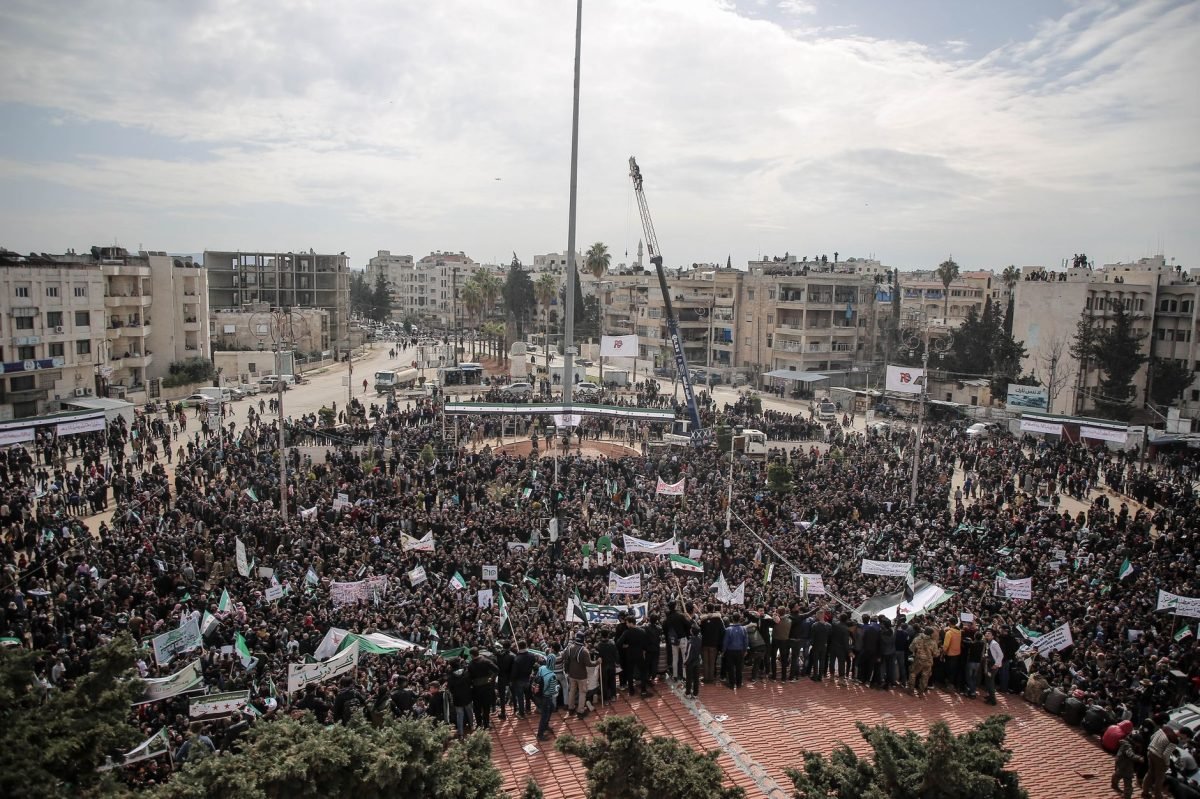
At 08:30 CET on Monday, Skeyes, Belgium’s air navigation service provider, announced an immediate suspension of all air‑traffic‑control services. The move followed a coordinated walk‑out by the Air Traffic Controllers’ Union (ATCU) and several ancillary staff unions. By mid‑morning, more than 300 scheduled departures and arrivals across the country were cancelled or delayed. The shutdown threatens to ripple through Europe’s tightly interwoven flight network.
What Happened: Skeyes Suspends Services, Flights Grounded Nationwide
According to a report by Reuters, Skeyes issued its first public statement at 08:30 CET, confirming that all control towers at Brussels Airport (BRU), Brussels South Charleroi (CRL), Liège (LGG) and Antwerp (ANR) would cease operations until further notice. The decision came after the ATCU and the Federation of Transport Workers (Fédération des Travailleurs du Transport, FTT) announced a 48‑hour anti‑austerity strike aimed at pressuring the federal government to roll back recent budget cuts to public services. The unions claim that the cuts have reduced staffing levels by 15 % over the past two years, compromising safety and workload distribution. As a concrete detail, the control tower at Brussels Airport displayed a red “STOP” signal on its main screen, a standard emergency protocol that forces pilots to hold on the ground or enter a holding pattern. By 10:00 CET, airlines such as Brussels Airlines, Ryanair and TUI reported a combined total of 312 flight cancellations, affecting roughly 45,000 passengers. The strike is set to run through Tuesday, with Skeyes warning that any extension could force a full closure of Belgian airspace.
Why It Matters: Disruption to Travelers, Economy and Regional Connectivity
The immediate impact falls on travelers who booked flights for business, tourism or family visits. For many, the only alternative is to reroute through neighboring hubs in Frankfurt, Paris‑Charles de Gaulle or Amsterdam, adding several hours to travel time and increasing costs. Airlines have already begun to re‑book passengers on later dates, but the backlog is expected to strain reservation systems for weeks.
Beyond passengers, the strike threatens Belgium’s cargo sector. Liège Airport, the country’s primary freight gateway, handles over 250,000 tonnes of cargo annually, much of it high‑value pharmaceuticals destined for EU markets. A two‑day halt could delay shipments worth an estimated €120 million, according to the Belgian Freight Association (BFA).
Tourism is another vulnerable sector. Brussels welcomes roughly 9 million visitors each year; a sudden loss of inbound flights can depress hotel occupancy, restaurant revenue and ancillary services. The Belgian Ministry of Tourism warned that the strike could shave up to 2 % off the country’s Q4 tourism earnings if the disruption extends beyond 48 hours.
On a broader scale, the incident highlights a growing tension between austerity‑driven public‑sector reforms and the operational resilience of critical infrastructure. Similar strikes have occurred in France’s rail network and Italy’s port system, where budget cuts sparked labor actions that reverberated across the European supply chain. Belgium’s situation could become a case study for how fiscal policy decisions intersect with safety‑critical services.


“Skeyes CEO Marc Vandenberg told reporters that the organization had no viable alternative but to suspend operations until the unions and the government reach a new collective agreement, emphasizing that safety cannot be compromised.”
What We Don't Know Yet: Timeline, Negotiations and Ripple Effects
Several key uncertainties remain. First, the exact duration of the strike is unclear; while unions initially pledged a 48‑hour walk‑out, they have hinted at extending the action if their demands are not met. Second, the government’s response is still evolving. Prime Minister Alexander De Croo has signalled willingness to open a dialogue but has not disclosed any concrete concessions. Third, the impact on neighboring airspaces is uncertain. Belgium shares its upper airspace with the Netherlands and Germany, and any prolonged closure could force rerouting of trans‑European flights, potentially congesting alternative corridors. Finally, there is limited information on how airlines will prioritize re‑booking—whether business travelers will receive first‑class seats while leisure passengers wait longer. These gaps make it difficult for passengers and businesses to plan ahead, and they may exacerbate public frustration if the situation drags on.
What To Watch: Negotiations, Government Intervention and Flight Resumptions
In the next 24‑72 hours, three developments will be critical. 1) Negotiation talks scheduled for Tuesday afternoon between ATCU leaders, the Ministry of Transport and Skeyes. Observers will watch for any provisional agreement on staffing levels or a temporary wage freeze that could end the strike. 2) Government measures such as the possible deployment of emergency air‑traffic controllers from neighboring countries under EU contingency protocols. If Brussels invokes the European Civil Aviation Conference’s emergency clause, controllers from France’s DSNA could be temporarily assigned to Belgian towers. 3) Airline contingency plans, including the activation of extra aircraft from partner airlines and the opening of additional slots at nearby airports. Airlines have already begun to shift some flights to Frankfurt and Amsterdam, but the speed and scale of those adjustments will determine how quickly passenger numbers return to normal. Monitoring statements from the European Aviation Safety Agency (EASA) will also provide insight into any regulatory flexibilities granted during the crisis.
During the 2016 Brussels airport strike, overall passenger numbers fell only 2 % because most travelers switched to high‑speed rail, highlighting the hidden resilience of multimodal transport in the region.


