Reality: The Gaza Kitchen Aid Situation Is Not What You Think

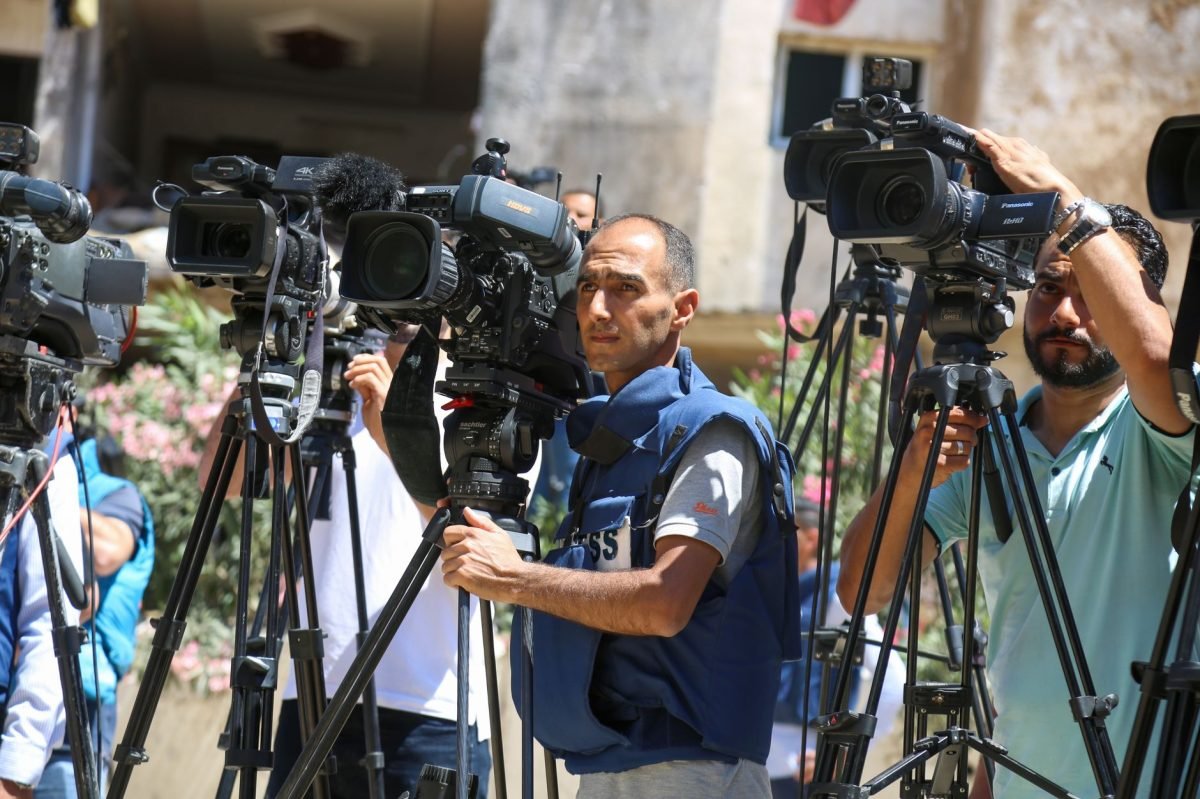
On October 23, an Israeli airstrike hit a residential building in Gaza City, killing three men who were later identified as aid workers. The founder of World Central Kitchen, Chef José Andrés, publicly stated that none of the victims were on his organization’s roster. This clarification matters because it challenges assumptions about who is on the ground delivering food in the war zone and raises questions about the safety of civilian volunteers.
What Happened on the Gaza Site
According to a statement to the Associated Press, the strike occurred at approximately 14:45 local time near the Al‑Nasser neighborhood of Gaza City. Israeli military officials said the target was a “terrorist command post,” but satellite imagery later showed the building housed a small kitchen operation that had been distributing meals to displaced families. Three men—identified by local witnesses as Khaled Al‑Hussein, 32, a volunteer with a Palestinian NGO; Mahmoud Saad, 45, a freelance logistics coordinator; and Youssef Mansour, 28, a former fisherman—were killed instantly. World Central Kitchen staff who arrived minutes after the blast reported seeing a red van with the organization’s logo parked nearby, but none of the three names appeared on the group’s official volunteer list. The founder, Chef José Andrés, confirmed the discrepancy in a press conference on October 24, emphasizing that the deceased were not employed by his charity. The incident is the latest in a series of civilian casualties reported during Israel’s intensive bombing campaign that began on October 7.
Why It Matters for Humanitarian Efforts
First, the misidentification of aid workers erodes trust between humanitarian organizations and the communities they serve. When volunteers are killed in strikes that are later claimed to have targeted combatants, donors and local partners may question the adequacy of protective measures. This can lead to a slowdown in food distribution, directly affecting thousands of families already facing severe shortages. Second, the episode highlights a broader pattern of blurred lines in modern conflict zones. Satellite data and on‑the‑ground reports increasingly show that civilian structures—schools, hospitals, and kitchens—are being used for multiple purposes, making it harder for military planners to distinguish legitimate targets. Third, the incident puts pressure on Israel’s rules of engagement. International law requires parties to take all feasible precautions to avoid civilian casualties. If aid workers are not clearly marked or if combatants embed themselves among humanitarian staff, the risk of unlawful killings rises, potentially prompting investigations by the United Nations or the International Criminal Court. Finally, for ordinary Gazans, each lost volunteer means fewer meals on the table. Humanitarian aid in Gaza already operates under severe constraints; the loss of experienced local coordinators can disrupt supply chains, delay deliveries, and increase the vulnerability of the most marginalized populations.

“"We are devastated, and we confirm these individuals were not on our payroll," Chef José Andrés said during a press briefing on October 24, emphasizing that World Central Kitchen had no affiliation with the deceased.”
What We Don’t Know Yet
Several critical questions remain unanswered. First, the exact identities and affiliations of the three men have not been independently verified by an external humanitarian monitoring body. While local witnesses provided names, no official documentation from their purported NGOs has been released. Second, the Israeli military has not disclosed the intelligence that led to the designation of the building as a “terrorist command post.” Without access to the targeting data, it is impossible to assess whether the strike complied with proportionality standards under international humanitarian law. Third, it is unclear whether the red van with the World Central Kitchen logo was operating at the time of the attack or merely parked nearby. If the vehicle was used by an unrelated group, the visual cue could have contributed to the confusion. Finally, the broader network of volunteers in Gaza remains opaque; many operate informally without formal contracts, making it difficult for any organization to maintain an accurate roster. Until these gaps are filled, the full scope of responsibility and the lessons to be learned will remain speculative.
What to Watch in the Coming Days
In the next 24‑72 hours, several developments will signal how the incident will shape the humanitarian landscape. The Israeli Defense Forces are expected to release a detailed after‑action report, which may include the intelligence sources used for the strike. Watch for statements from the United Nations Office for the Coordination of Humanitarian Affairs (OCHA) calling for an independent investigation. Donor agencies such as USAID, the European Commission, and major private foundations are likely to reassess funding allocations to NGOs operating in Gaza pending clearer safety protocols. World Central Kitchen may issue a revised volunteer‑verification policy and could temporarily suspend field operations near contested zones. Finally, regional political actors—including Egypt and Qatar—may leverage the controversy in diplomatic talks aimed at establishing humanitarian corridors, potentially reshaping the flow of aid in the coming weeks.


