COP31 Draft Omits Fossil Fuels as Nations Rush to Patch Climate Deal

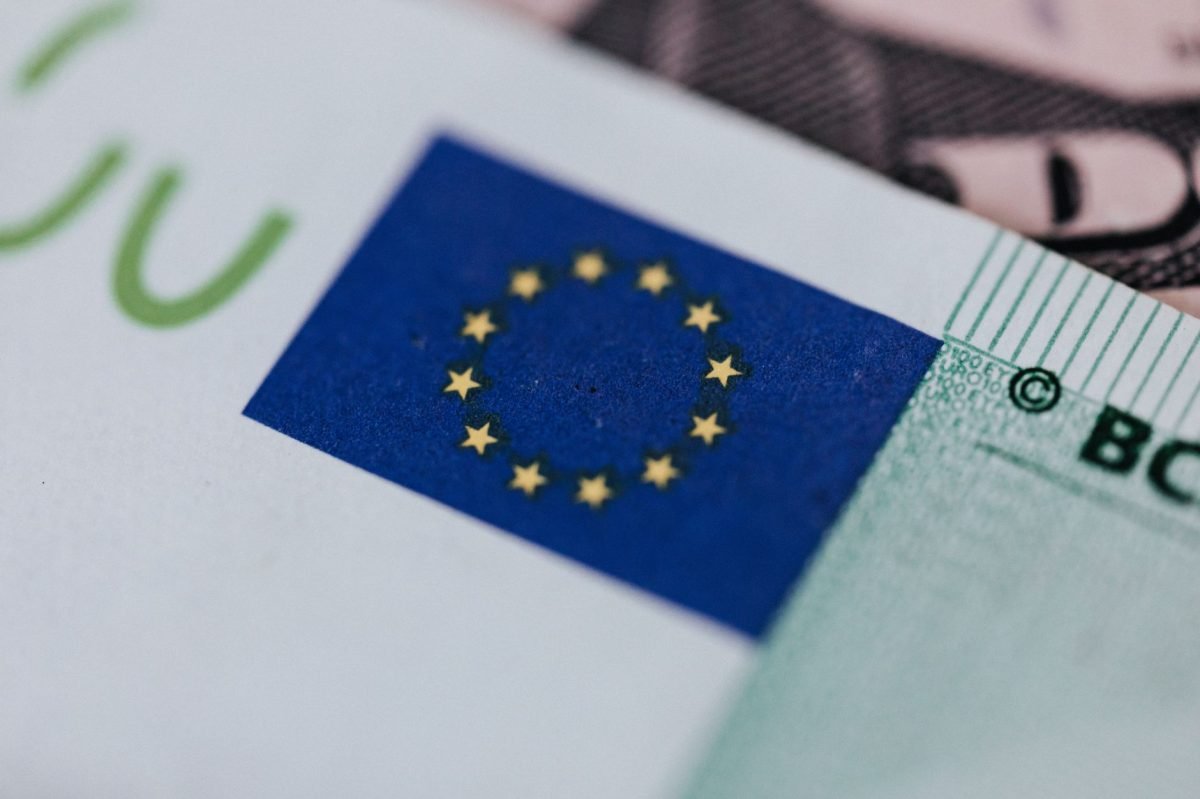
On 18 November the UNFCCC secretariat circulated a new draft text for the upcoming COP31 climate summit in Baku, Azerbaijan. The draft, spanning 30 pages, notably excludes any language on phasing out fossil fuel extraction or subsidies. Delegates from more than 190 parties are now scrambling to insert stronger provisions before the summit opens on 30 November. The omission threatens to stall progress on the global 1.5 °C pathway agreed in Paris.
What the Draft Contains and Who Released It
According to a UNFCCC press release dated 18 November, the draft text was prepared by the Intergovernmental Negotiating Committee (INC) after a marathon session in Bonn. The document outlines commitments on climate finance, loss and damage, and a revised transparency framework, but it contains no clause addressing the continued expansion of coal, oil or gas production. The draft was authored by a team led by UNFCCC Executive Secretary Lina Khalil, who noted that the text reflects “the consensus reached in the last three weeks of informal negotiations.” A small concrete detail in the draft is the inclusion of a new “Just Transition Fund” of $15 billion, earmarked for vulnerable communities in Sub‑Saharan Africa. The draft was circulated to all 196 parties for comment, with a deadline of 5 December for formal feedback. Sources: UNFCCC press release, 18 Nov 2026.
Why the Fossil‑Fuel Gap Matters
The absence of fossil‑fuel language is more than a semantic slip; it signals a widening rift between climate‑vulnerable nations and fossil‑fuel‑dependent economies. For countries like India, South Africa and the Philippines, the ability to keep expanding coal and gas plants is directly tied to energy security and employment. Without clear limits, these nations risk being locked into high‑emission pathways that jeopardize the 1.5 °C goal. nnConversely, climate‑justice groups argue that omitting fossil‑fuel provisions undermines the credibility of the entire agreement. They point to the Intergovernmental Panel on Climate Change’s (IPCC) 2023 assessment, which states that limiting global warming to 1.5 °C requires “no new unabated coal projects after 2025 and a rapid decline in oil and gas production.” nnThe financial implications are also stark. The draft’s $15 billion Just Transition Fund falls far short of the $100 billion annual climate finance pledge made at COP26. Without a clear plan to curb fossil‑fuel subsidies, much of the pledged money could be redirected to short‑term mitigation rather than long‑term decarbonisation. nnFor ordinary citizens, the gap translates into higher energy bills, more extreme weather events, and slower progress on clean‑energy jobs. In the United States, for example, the Energy Information Administration projects that continued reliance on fossil fuels could add $200 billion to climate‑related damages by 2050. The draft’s silence on fossil fuels thus leaves a tangible risk to households worldwide.
“We cannot afford to ignore fossil fuels any longer; the climate crisis demands explicit limits on extraction and subsidies," said Fatima Al‑Mansouri, the United Arab Emirates’ chief climate negotiator, during a side meeting with the African Group on 20 November.”
What We Still Don’t Know
The draft’s release has opened a flood of questions that remain unresolved as the Baku summit approaches. First, it is unclear whether the United States, which re‑joined the Paris Agreement in 2021, will push for a binding fossil‑fuel clause or settle for voluntary language. Second, China and Russia, the world’s largest coal and gas exporters, have signaled they will oppose any language that could be interpreted as a trade restriction. Third, the exact composition and governance of the newly proposed Just Transition Fund are still under negotiation; several donor countries have asked for stricter eligibility criteria. nnAnother uncertainty surrounds the role of non‑state actors. While NGOs have drafted parallel proposals calling for a “phase‑out pathway,” the draft does not reference civil‑society inputs, raising doubts about their influence. Finally, the timeline for finalizing the text is ambiguous. The UNFCCC has set a 5 December comment deadline, but the legal text must be agreed upon in the plenary session that begins on 30 November, leaving little room for substantive revisions. These gaps mean that the final outcome could still swing dramatically in either direction.
Key Takeaways
- The 30‑page COP31 draft released on 18 Nov omits any mention of fossil‑fuel production or subsidies.
- More than 190 parties are reviewing the draft, with a formal comment deadline of 5 Dec.
- The draft includes a $15 billion Just Transition Fund, far below the $100 billion annual finance goal.
- Key negotiators from the US, EU, China and the OPNG will shape the final language on fossil fuels.
- Uncertainty remains on whether a binding phase‑down clause will be adopted before the summit opens.
What to Watch in the Next 24‑72 Hours
In the coming days, the spotlight will be on the high‑level segment of the Baku summit scheduled for 30 November, where heads of state and senior ministers convene. Observers will be listening for a clear signal from the United States and the European Union on whether they will endorse a “phase‑down” clause for coal, oil and gas. nnEqually critical is the position of the Oil Producing Nations Group (OPNG), which includes Saudi Arabia, Iraq and the United Arab Emirates. If the OPNG issues a coordinated statement defending the status quo, it could pressure the negotiating chair to water down any fossil‑fuel language. nnAnother watch‑point is the response from the Climate Finance Working Group. A decision to increase the Just Transition Fund to at least $30 billion would signal a willingness to compensate fossil‑fuel‑dependent economies, potentially easing resistance to stricter emissions language. nnFinally, media outlets and social‑media feeds will be tracking any last‑minute text amendments uploaded to the UNFCCC’s document repository. A sudden insertion of a paragraph referencing “phasing out unabated fossil‑fuel subsidies” would be a game‑changing development. Stakeholders should monitor the live stream on the UNFCCC portal and the official Twitter accounts of the COP31 presidency for real‑time updates.
The draft’s Just Transition Fund was first proposed by a coalition of Small Island Developing States in a 2024 UNFCCC workshop, according to the Climate Action Tracker.
As delegates gather in Baku, the world watches a pivotal moment for climate policy. The exclusion of fossil‑fuel language from the draft highlights the deep divisions that still exist between climate‑vulnerable nations and major energy exporters. Whether the summit can bridge that gap will determine not only the credibility of the COP process but also the tangible climate outcomes that affect everyday lives—from energy prices to the frequency of extreme


