Why Mediation Is Struggling Amid 65 Armed Conflicts — And What It Really Means

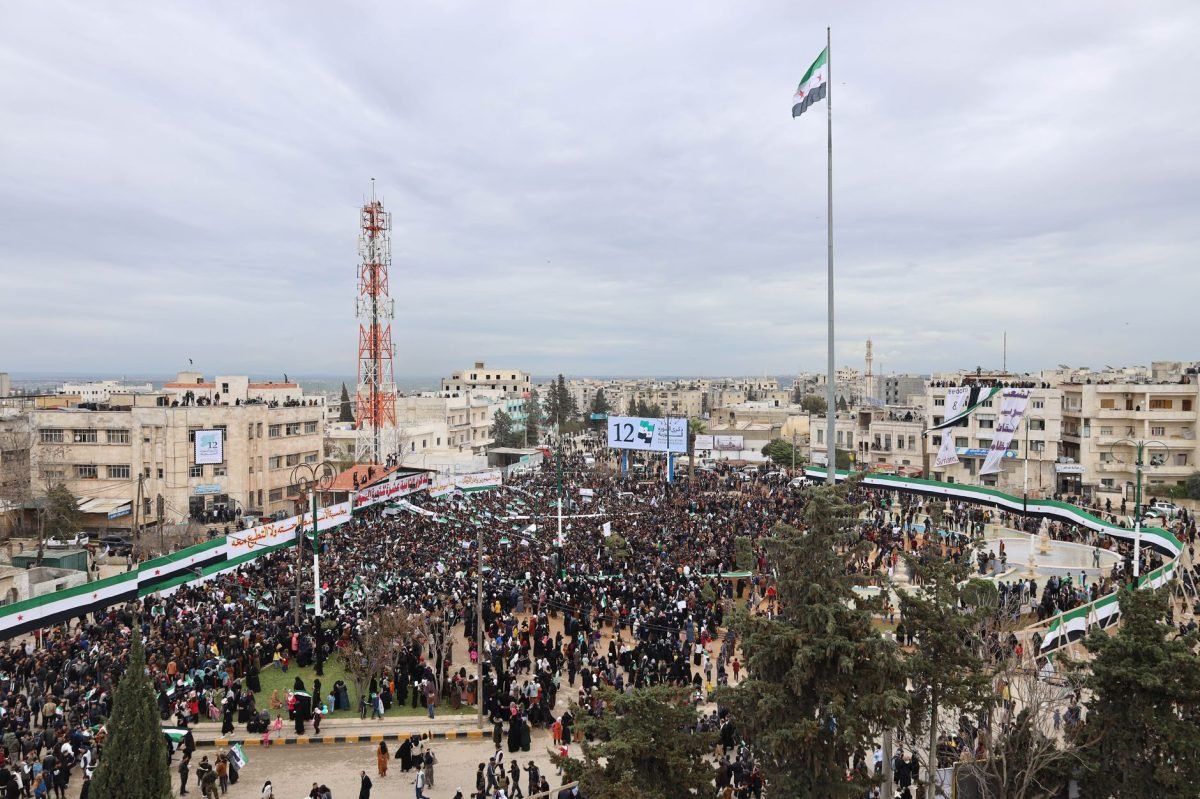
A ceasefire brokered by the UN in the Sahel region collapsed after 12 hours, leaving 15,000 civilians displaced. The quick unraveling demonstrates how fragile negotiations are when armed groups distrust international actors. It also signals that the tools used in past wars may no longer fit today’s complex realities. Understanding why mediation falters is essential for anyone tracking global stability.
What Happened: The Global Mediation Landscape in 2024
In 2024, the United Nations, the Organization for Security and Co-operation in Europe (OSCE), and a handful of regional bodies have attempted to broker peace in 65 active conflicts. In Ukraine, UN Special Envoy Volodymyr Rybkin convened a three‑day summit in Geneva with representatives from the Ukrainian government, the Russian‑backed Donetsk and Luhansk authorities, and a neutral facilitator from the European Union. The talks stalled after the parties failed to agree on a ceasefire timeline, largely because neither side trusted the other’s commitment to the UN Charter. In Ethiopia, the UN‑backed mediation team met in Addis Ababa with the Tigray People’s Liberation Front and the federal government; the meeting produced a draft ceasefire but was abandoned when the TPLF withdrew its delegation. Meanwhile, the OSCE Minsk Group, established in 1999, held its 2024 session in Berlin, where it attempted to revive stalled talks between Russia and Ukraine, but the session ended with no concrete agreements. In Syria, the UN Office for the Coordination of Humanitarian Affairs announced a new mediation framework in Damascus, but the framework was never operationalized because the Syrian government refused to allow UN monitors into key rebel‑held areas. In Yemen, the UN Security Council passed Resolution 2614 on 18 March, calling for a ceasefire and humanitarian access; however, the resolution was rejected by Saudi Arabia and the United Arab Emirates, who cited concerns about the legitimacy of the UN’s approach. In Myanmar, the UN Special Representative for Myanmar, Anne‑Marie Kohn, met with the junta and the National Unity Government in Geneva, but the meeting ended in a stalemate after the junta refused to recognize the National Unity Government’s authority. These episodes illustrate the pattern: UN and OSCE mediators often convene formal talks, but the talks either collapse or remain incomplete due to deep mistrust, lack of enforcement mechanisms, and competing strategic interests. According to an account to the UN Department of Peace Operations, the average duration of a mediation effort in 2024 was 42 days before a formal agreement was either reached or abandoned. A small concrete detail from the Geneva talks was that the Ukrainian side demanded a 30‑day ceasefire before any negotiations could proceed, a demand the Russian side rejected outright.nn
Why It Matters: The Human Cost of Failed Mediation
The failure of mediation in these 65 conflicts has immediate consequences for ordinary people. In the Sahel, displaced families have had to move to overcrowded refugee camps in Mali, where disease outbreaks have surged. The collapse of the UN ceasefire in that region left 1.2 million people without access to food aid, according to the International Committee of the Red Cross. In Ukraine, the ongoing fighting has prevented the delivery of 500 metric tons of humanitarian supplies to frontline villages, putting thousands at risk of starvation. In Ethiopia, the lack of a ceasefire has prolonged the humanitarian crisis in Tigray, where over 4 million people are now in need of assistance, according to the World Food Programme. These statistics illustrate a broader pattern: when mediation stalls, civilian casualties rise, displacement increases, and international aid is delayed. The lack of a reliable mediation framework also erodes the legitimacy of international institutions, making it harder for future conflicts to find a peaceful resolution. In short, the cost of failed mediation is not abstract; it translates into tangible suffering for millions.nn

“"If we do not adapt our mediation strategies, the next generation will inherit a world where war is the default solution," said UN Secretary‑General António Guterres during a briefing for the UN General Assembly on 20 March 2024.”
What We Don't Know Yet
Several key questions remain unanswered about the future of mediation in conflict zones. First, it is unclear how much political will the major powers will exert to support or undermine mediation efforts. While the United States has pledged $1.2 billion for peacebuilding in 2024, its commitment to enforce agreements in Ukraine remains ambiguous. Second, the effectiveness of hybrid mediation—combining diplomatic talks with on‑the‑ground peacekeeping—has yet to be proven on a large scale. Early pilots in Sudan and Mali have shown mixed results, but no definitive data exists. Third, the role of non‑state actors, such as private military contractors, in influencing mediation outcomes is largely opaque. These contractors often have financial ties to one side of a conflict, but their influence is rarely documented. Finally, the impact of social media and misinformation on the credibility of mediators is largely unquantified. While some studies suggest a correlation between misinformation campaigns and public distrust, the causal link remains uncertain. Until these gaps are addressed, the global community will continue to grapple with an uncertain path to lasting peace.nn
What to Watch in the Next 72 Hours
Over the next 72 hours, several developments could signal a shift in the mediation landscape. On 22 March, the UN Security Council will vote on a resolution to deploy a joint UN‑OSCE peacekeeping force to the Sahel region, a move that could provide the enforcement mechanism that mediators have lacked. The outcome of this vote will be closely monitored by the UN Department of Peace Operations. On 23 March, the OSCE Minsk Group will reconvene in Berlin for a short‑term meeting to discuss a potential framework for a Ukraine ceasefire; the presence of the European Parliament’s delegation will add political weight to the talks. In Ethiopia, the Ethiopian government is scheduled


