Iran’s Revolutionary Guard Claims It Shot Down U.S. MQ‑9 Predator Drone Over Qeshm Island


On Thursday, Iran’s Islamic Revolutionary Guard Corps (IRGC) announced that it had destroyed a U.S. MQ‑9 Predator drone flying near Qeshm Island in the Strait of Hormuz. The claim came after the drone was reportedly detected at an altitude of 15,000 feet and was said to have entered Iranian‑controlled airspace. Tehran’s statement follows a series of recent aerial encounters between Tehran and Washington that have heightened diplomatic strain. The incident could affect the already fragile security environment surrounding one of the world’s most critical oil‑shipping lanes.
What Happened on Thursday
According to an account to Reuters, IRGC forces engaged the unmanned aircraft at approximately 09:30 local time on 21 November 2026. The drone, identified as a General Atomics MQ‑9 Predator, was on a surveillance mission over the Persian Gulf when it entered a sector that the IRGC considers part of its air defense zone. IRGC officials said the aircraft was tracked by ground‑based radars and a surface‑to‑air missile was launched, striking the drone and causing it to crash into the sea near Qeshm Island. A small piece of wreckage was recovered by Iranian naval units, and a video released by the IRGC’s media wing showed a plume of smoke rising from the water after the impact. The Iranian statement emphasized that the drone “violated Iranian sovereignty” and that the response was “necessary and proportionate.” No U.S. casualties were reported, and Washington has not yet confirmed the loss.
Why It Matters
The downing of a U.S. drone by Iran adds a new layer to a pattern of escalating aerial confrontations that have been unfolding since 2022. Each incident raises the risk of miscalculation, especially in the narrow Strait of Hormuz where commercial vessels, oil tankers, and fishing boats share the waters. For ordinary Iranians living on Qeshm Island, the presence of military hardware and the threat of retaliation can disrupt daily life, from fishing activities to tourism that the island’s economy relies on. nnOn a broader scale, the incident could prompt the United States to reassess its surveillance strategy in the Gulf. Analysts at the Center for Strategic and International Studies (CSIS) note that losing a high‑value UAV may push Washington to increase manned patrols, which in turn could provoke further Iranian air defense actions. nnThe episode also reverberates in global markets. The Strait of Hormuz handles roughly 20 percent of the world’s petroleum shipments; any perceived instability can trigger price spikes in crude oil and affect fuel costs worldwide. Energy traders monitor such developments closely, and a single drone shoot‑down can be enough to spark short‑term volatility in futures contracts. nnFinally, the event underscores the diplomatic impasse over the Joint Comprehensive Plan of Action (JCPOA). Iran has repeatedly warned that it will defend its airspace, while the United States maintains that its surveillance flights are legal under international law. The clash therefore feeds into a larger narrative of mistrust that hampers any progress toward a new nuclear agreement.
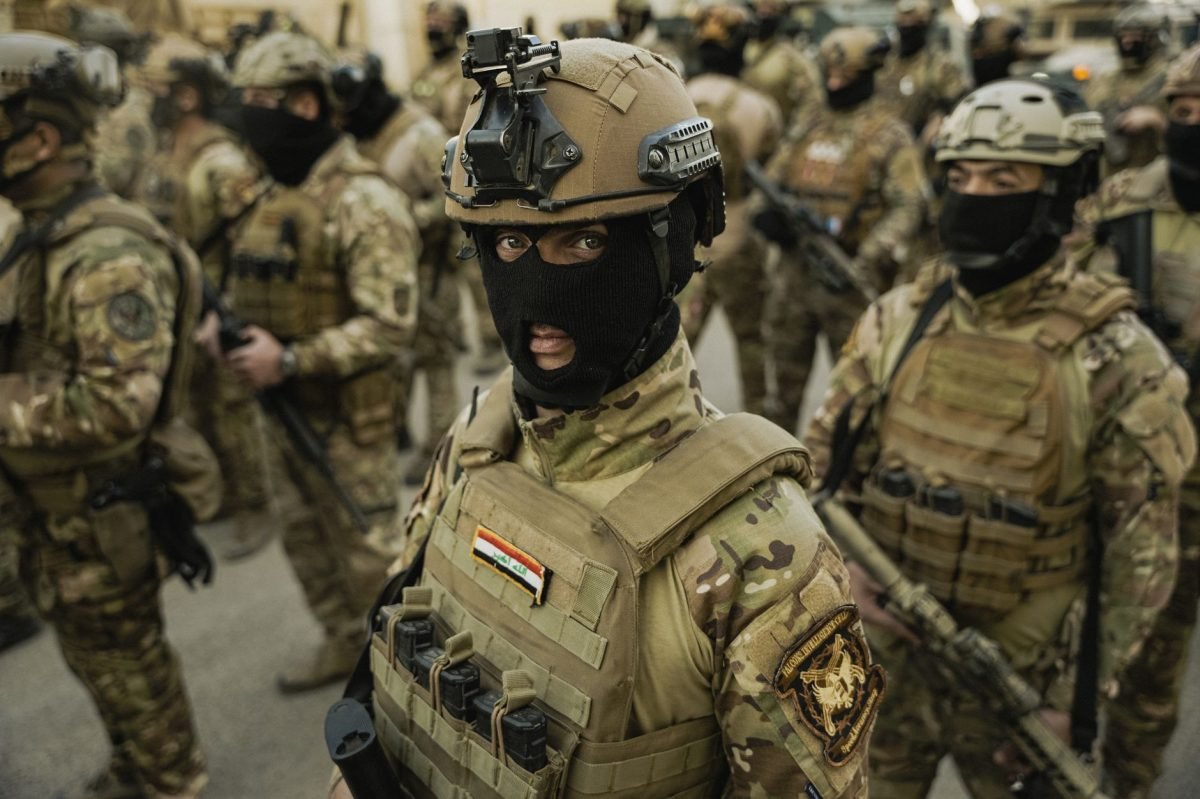
“IRGC commander Mohammad Ali Jafari told state TV that the drone “clearly violated Iranian airspace and posed a threat to our national security,” emphasizing that the response was a defensive necessity.”
What We Don't Know Yet
Several critical details remain unconfirmed. First, the United States has not officially acknowledged the loss of the MQ‑9, leaving open the question of whether the drone was indeed shot down or suffered a mechanical failure. Washington’s official channels have only issued a generic statement about “ongoing operations in the region.” Second, the exact flight path of the aircraft is unclear; satellite imagery or flight‑data recordings have not been released, making it difficult to verify Iran’s claim that the drone entered prohibited airspace. Third, the extent of the damage to the drone’s payload, which could include sensitive intelligence equipment, is unknown. If the payload was compromised, it could expose classified information to Iranian analysts. Finally, the reaction of regional allies such as the United Arab Emirates and Saudi Arabia is still being gauged; their statements may influence whether the incident escalates into a broader diplomatic confrontation.
What to Watch
In the next 24‑48 hours, analysts will be looking for an official response from the U.S. Department of Defense. A confirmation of the drone’s loss, a denial, or a request for a diplomatic protest will each signal a different strategic direction. Watch for statements from senior Pentagon officials, especially the commander of U.S. Central Command, who may outline any changes to surveillance protocols in the Gulf. nnAnother key development will be Iran’s next public communication. If the IRGC releases additional footage or claims of further successes, it could indicate an intent to leverage the incident for domestic political gain ahead of upcoming elections. nnFinally, monitor commercial shipping patterns through AIS (Automatic Identification System) data. A sudden rerouting of vessels away from the Strait of Hormuz, even if temporary, would suggest that the incident is affecting trade flows. Energy market reactions, such as movements in Brent and WTI crude prices, will also provide a barometer of how seriously investors view the risk of further escalation.


