Police Arrest Dozens as Thousands March in Brussels Over Tuition Hikes and Cuts

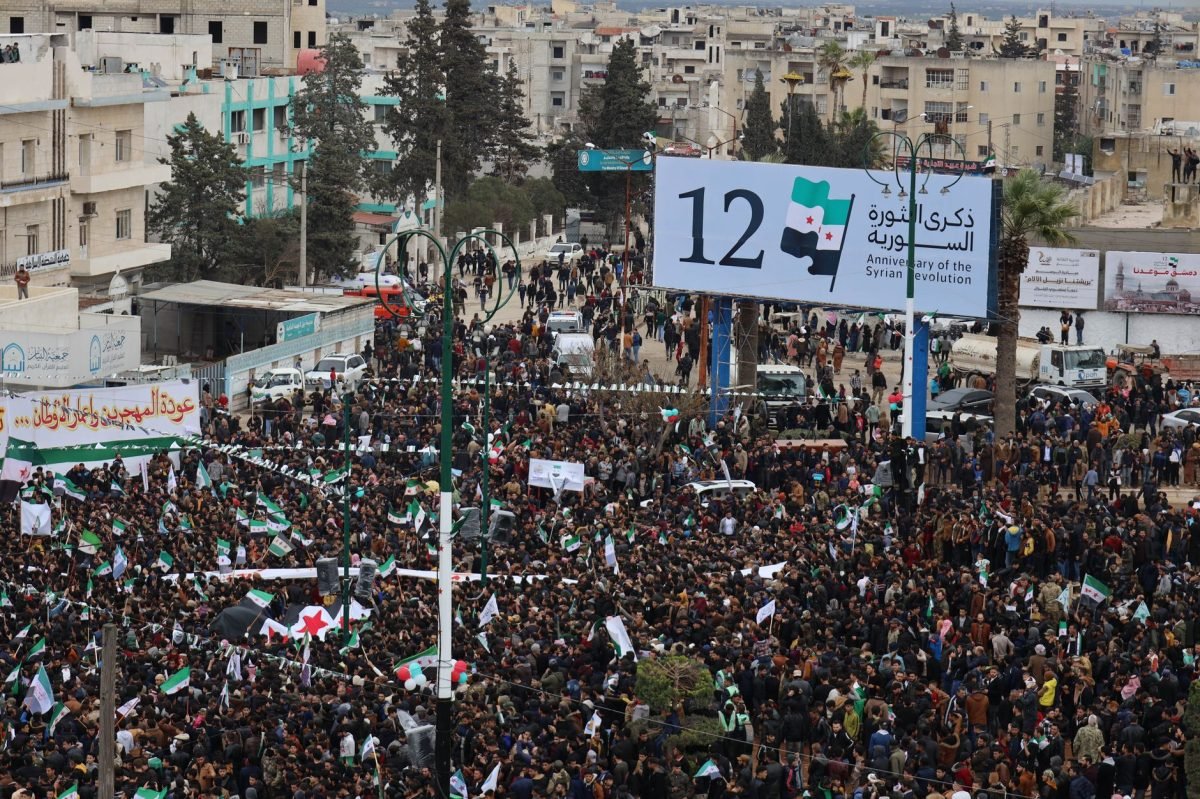
On April 23, roughly 5,000 students and teachers assembled in Brussels to protest proposed tuition hikes and education budget cuts. The march, organized by the Belgian Student Union, moved along Rue de la Loi and converged at the European Parliament building. Police intervened after a segment of the crowd attempted to breach a police cordon, leading to the arrest of 12 participants. The incident highlights growing tension between young citizens and the government over the future of higher education.
What Happened on Rue de la Loi
The demonstration began at 10:00 a.m. outside the Université Libre de Bruxelles, with speakers from the student union, teachers' federation, and several political parties. According to a statement from Brussels police, the crowd grew to about 5,000 people as it progressed toward the European Parliament. Around 11:30 a.m., a group of protestors attempted to push past a police barrier near the Parliament's entrance. Officers responded with non‑lethal dispersal tactics, including verbal warnings and the use of a handheld acoustic device. Twelve individuals were subsequently detained on charges of public disorder and obstruction of police duties. One of those arrested, 21‑year‑old biology student Léa Dubois, was taken to the Braine‑la‑Vallée police station for questioning. The police released a brief after‑action report noting that no serious injuries were reported, though a few protestors sustained minor bruises from the crowd control measures.
Why It Matters for Belgian Higher Education
The arrests underscore a broader clash between the Belgian government’s fiscal tightening and the student body’s demand for affordable education. First, the proposed tuition increase of €150 per year for EU students, announced in the latest budget draft, would raise the average annual fee from €835 to €985. For many families, especially those already coping with rising living costs, this represents a significant financial strain. Second, the education reforms include a reduction of state‑funded research grants by 8%, potentially limiting opportunities for doctoral candidates and early‑career researchers. If these cuts materialize, universities may have to scale back laboratory resources, affecting the quality of scientific training. Third, the protest reflects a growing politicisation of student movements, echoing the 2019 strikes that forced the Ministry of Education to postpone a similar fee hike. The current episode may pressure policymakers to reconsider or at least delay the reforms, offering a window for dialogue. Finally, the police response raises questions about the balance between maintaining public order and protecting the right to peaceful assembly, a balance that is essential in a democratic society.

“Student leader Maya Van den Broeck told reporters, "We are not asking for handouts; we are demanding a fair chance at education without being crushed by fees and budget cuts," speaking after the police detained several of her peers.”
What We Don't Know Yet
Several critical details remain unclear. Police have not disclosed the exact criteria used to select the twelve individuals for arrest, leaving observers to wonder whether the action targeted specific leaders or was based on proximity to the cordon breach. The Ministry of Education has not yet released an official comment on the protest or the police report, so the government’s stance on the proposed tuition hike is still ambiguous. Additionally, the long‑term legal outcomes for those detained are uncertain; charges could be dropped, or they could lead to fines and criminal records that affect future employment. Finally, it is not yet known how the student union plans to sustain momentum after the police crackdown—whether they will organise another march, pursue legal challenges, or shift to a lobbying strategy within the European Parliament. These unanswered questions will shape the next phase of the debate.
Key Takeaways
- Around 5,000 students and teachers marched in Brussels on April 23 to protest tuition hikes and budget cuts.
- Police arrested 12 demonstrators after a crowd attempted to breach a cordon near the European Parliament.
- The government’s proposed €150 tuition increase could raise annual fees to €985, straining many families.
- Education reforms also include an 8% cut to state‑funded research grants, affecting doctoral and early‑career researchers.
What to Watch in the Next 24‑72 Hours
In the coming days, attention will focus on three key developments. First, the Brussels police are expected to release a detailed press briefing by the end of the week, clarifying the legal basis for the arrests and any forthcoming investigations. Second, the Belgian Ministry of Education is slated to hold a press conference on Thursday to address the tuition proposal; any softening of the plan or a postponement would signal a direct impact of the protests. Third, the student union has announced a follow‑up rally for next Saturday, potentially drawing a larger crowd if the recent arrests galvanise support. Observers will also monitor statements from the European Parliament’s Committee on Culture and Education, as they may influence national policy. These events will indicate whether the protests will translate into concrete policy adjustments or if the government will double down on its fiscal agenda.
Brussels has been a hub for student activism since the 1968 protests, a pattern documented by the Historical Archives of Brussels.
The clash on Rue de la Loi reflects a deepening divide over the cost and quality of higher education in Belgium. While students and teachers demand affordable learning and adequate research funding, authorities cite fiscal responsibility and budget constraints. As both sides prepare for further dialogue—or confrontation—the outcome will affect not only current students but also the future of Belgian academia and its role in Europe. The coming days will reveal whether the protests can shift policy or become another chapter in a long‑standing debate.