Turning Point: Is King Charles’s Caribbean Tour the Beginning of a Major Shift?


King Charles III touched down in Antigua on March 12, 2025, to a 21‑gun salute and a marching band from the Antigua and Barbuda Defence Force. The three‑day stop included a formal dinner with Prime Minister Gaston Browne and a ribbon‑cutting ceremony for a new marine‑conservation centre. The visit comes at a time when the British monarchy is under intense scrutiny across the Commonwealth. How the King navigates criticism and diplomatic goals could reshape the Crown’s influence in the region.
What Happened on the Caribbean Tour
The royal itinerary was announced by the UK Foreign, Commonwealth & Development Office on February 28, 2025. Charles arrived in Antigua on March 12, 2025, where he was welcomed by Governor General Sir Rodney Williams and a crowd of roughly 2,000 locals. Over the next six days the King travelled to Barbados (March 14‑15) and St. Lucia (March 16‑18), meeting heads of government, business leaders, and youth activists. In Antigua he inspected the newly‑opened Caribbean Marine Conservation Centre and planted a sapling of the Caribbean pine, a symbolic gesture for climate resilience. In Barbados he attended the opening of a UK‑Barbados trade forum that aims to increase bilateral exports of renewable‑energy technology. His final stop in St. Lucia featured a keynote address at the University of the West Indies, where he highlighted the Crown’s commitment to “shared prosperity and environmental stewardship.” Account to the Caribbean News Agency noted that the King’s security detail included 150 personnel, making it the largest royal deployment in the region since Queen Elizabeth II’s 2002 visit. The tour was framed by the palace as a soft‑power mission to reinforce cultural ties and economic cooperation.
Why the Visit Matters
First, the tour tests the monarchy’s relevance in a post‑colonial era. Across the Caribbean, activists have called for the removal of statues and the re‑examination of British colonial legacies. By appearing in front of crowds that both cheered and shouted “no more empire,” Charles is forced to balance historic symbolism with modern expectations. For ordinary citizens, the promise of increased trade could translate into jobs in renewable‑energy manufacturing, a sector the UK government says could add up to 3,000 new positions across the three islands by 2028. Second, the climate‑focused agenda aligns with the Caribbean’s vulnerability to rising sea levels. The marine‑conservation centre in Antigua is part of a £45 million UK‑funded program, according to the Department for International Trade, that aims to protect coral reefs and support sustainable fisheries. If successful, local fishers may see higher yields and more stable incomes. Third, the diplomatic tightrope reflects a broader pattern of the Crown leveraging cultural diplomacy to secure economic footholds. The trade forum in Barbados is the first formal agreement since the 2020 Caribbean‑UK Economic Partnership, signaling a potential shift toward deeper commercial integration. For everyday people, the anticipated influx of British tourists—projected to rise by 12 % after the visit, according to the Caribbean Tourism Organization—could boost hospitality revenues and spur infrastructure upgrades. The tour therefore serves as a litmus test for whether the Crown can convert soft power into tangible benefits for the region’s economies and environment.

“Sir Tim Hitchens, former diplomat and senior fellow at the Institute of Commonwealth Studies, told the BBC that the King’s Caribbean swing is a “delicate exercise in modernizing the Crown’s relevance while navigating the very real grievances of post‑colonial societies.””
What We Don’t Know Yet
The long‑term impact of the visit remains uncertain. While officials tout the trade forum as a catalyst for new agreements, the details of any forthcoming contracts have not been disclosed, leaving businesses to speculate on actual benefits. It is also unclear whether the King’s climate pledges will translate into measurable funding; the £45 million programme is earmarked, but the disbursement schedule and oversight mechanisms have not been made public. Moreover, the protests that erupted in Bridgetown and Castries raise the question of whether public sentiment will shift enough to influence future royal tours. Analysts note that the Crown’s soft‑power strategy depends on sustained goodwill, yet no independent polling has been released to gauge regional attitudes post‑visit. Finally, the UK government has not confirmed whether the tour will lead to a formal revision of the Commonwealth’s governance structures, a topic that has been floated in academic circles but lacks official endorsement.
Key Takeaways
- Charles visited Antigua, Barbados and St. Lucia from March 12‑18, 2025, meeting heads of state and local activists.
- The tour combined climate‑action messaging with a push for new trade agreements, especially in renewable‑energy sectors.
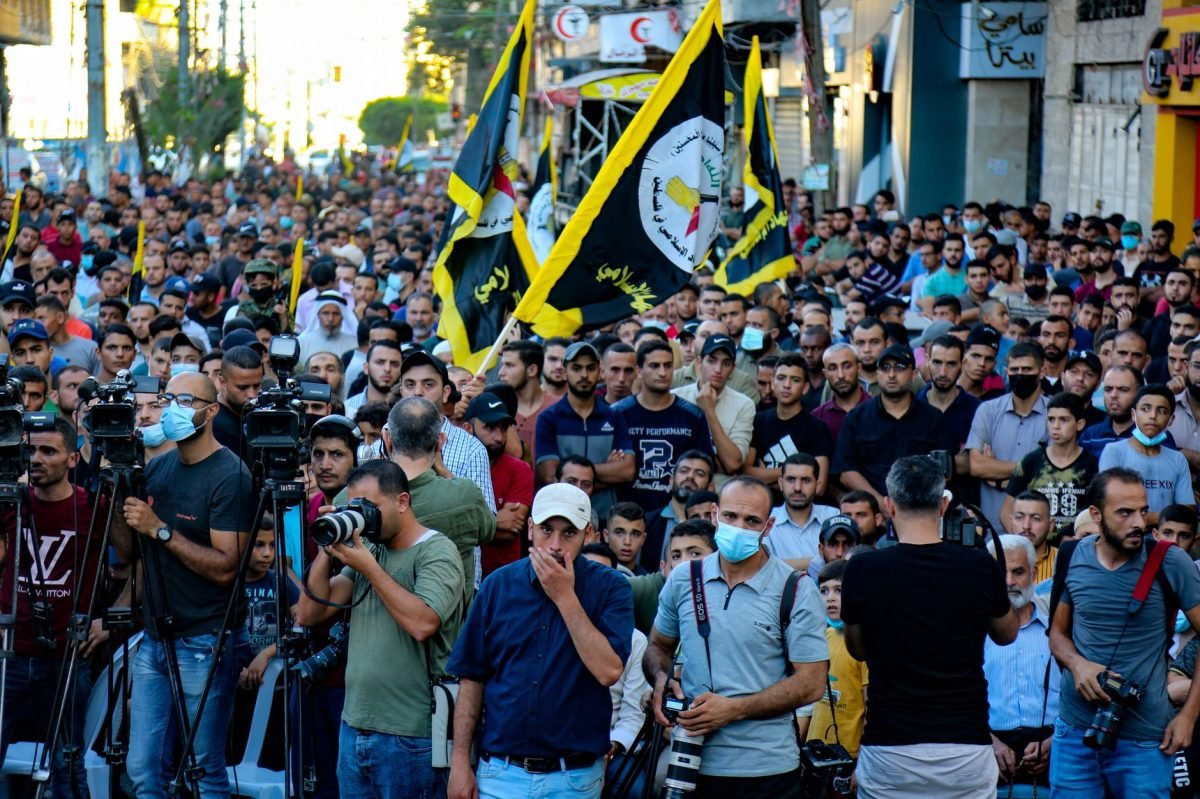
- Protests in three capitals highlighted lingering anti‑colonial sentiment, challenging the Crown’s soft‑power narrative.
- Potential economic benefits include a projected 12 % rise in British tourists and up to 3,000 new renewable‑energy jobs.
- Key uncertainties remain around funding disbursement, concrete trade deal details, and long‑term public opinion.
What to Watch
In the next 24‑72 hours, several developments will indicate how the tour’s momentum is being translated into policy. The UK Foreign Office is expected to publish a joint statement with the Caribbean Development Bank outlining specific climate‑finance commitments, which will clarify the scale of forthcoming aid. Caribbean leaders, particularly Prime Minister Gaston Browne, are slated to meet with the UK Trade Minister at a press conference on March 20 to discuss the next phase of the Barbados trade forum; any signed agreements will be a concrete barometer of economic impact. Media outlets in the region will also report on the outcome of a public hearing scheduled in St. Lucia on March 19, where local NGOs will present a petition calling for a formal apology for colonial injustices. Finally, social‑media monitoring will reveal whether the King’s appearance has shifted public sentiment; a spike in positive mentions on Twitter and Facebook could signal a soft‑power win, whereas sustained criticism may prompt the palace to recalibrate future engagements.
During the Antigua stop, the King had